Essential Sri Lanka Travel Tips & First-Time Visitor Guide
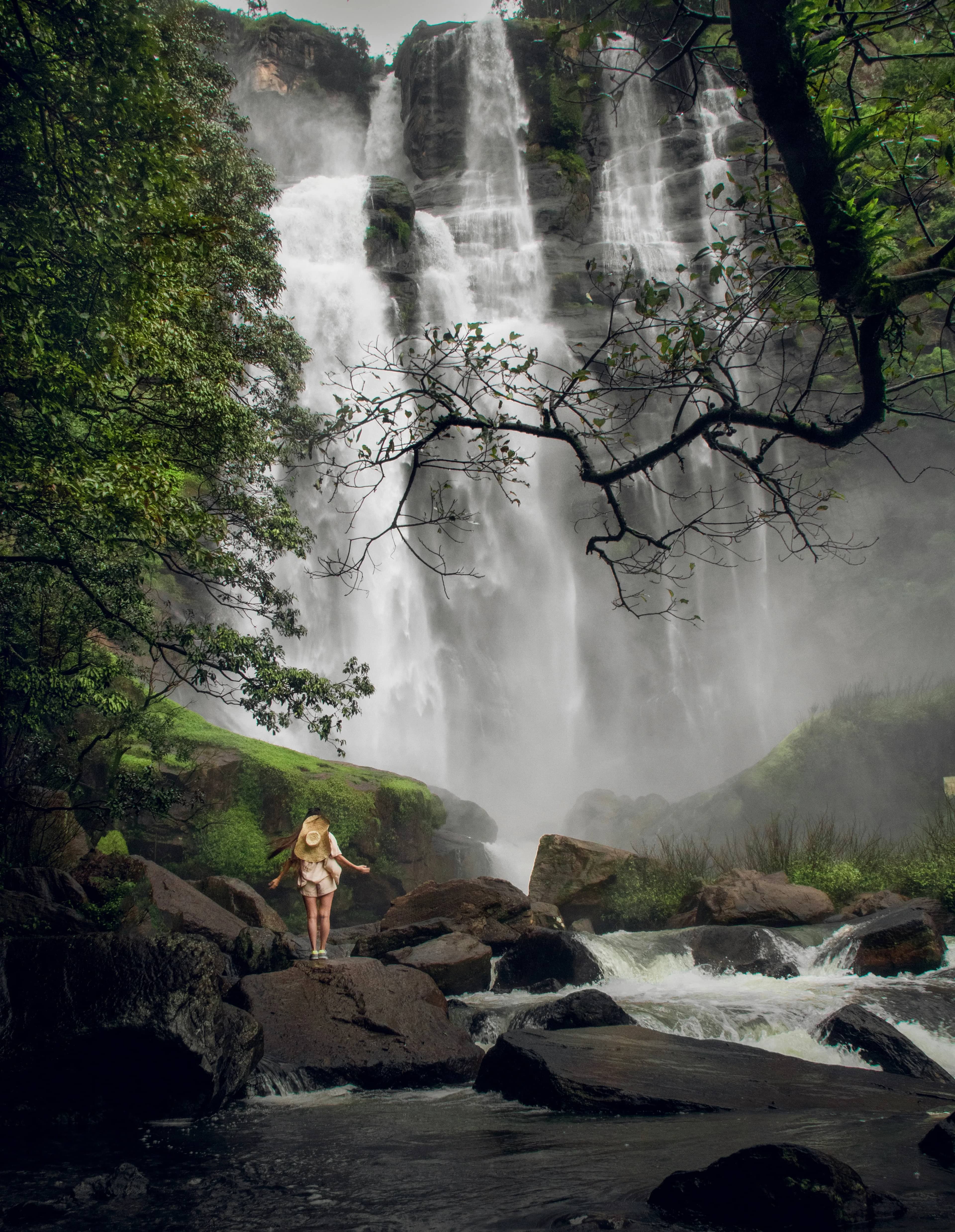
Essential Sri Lanka Travel Tips & First-Time Visitor Guide
Plan your perfect journey through Sri Lanka with expert travel tips and valuable local insights.Discover the best time to visit Sri Lanka, transportation options, cultural etiquette, budgeting advice, weather updates, safety information, accommodation recommendations, and must-see destinations across the island.
Learn how to travel between popular tourist destinations, experience authentic Sri Lankan culture, explore scenic train journeys, enjoy local food experiences, and prepare for different regional weather conditions. Whether you are exploring ancient cities, misty hill country, tropical beaches, wildlife parks, or hidden gems, this complete Sri Lanka travel guide helps first-time visitors and experienced travelers enjoy a smooth, memorable, safe, and authentic travel experience across the island.
WEA THER
Monsoon Seasons
Sri Lanka experiences two main weather seasons shaped by the southwest and northeast monsoons, creating year-round travel opportunities across the island. From May to September, the southwest monsoon brings rain to the southern and western regions, while the east coast and northern areas enjoy sunny beaches and dry conditions. Between October and February, the northeast monsoon affects the north and east, making the south and west ideal for sightseeing, wildlife tours, and coastal escapes. This unique tropical climate allows travelers to explore different parts of Sri Lanka throughout the year, from golden beaches and lush hill country to ancient cultural sites and national parks.
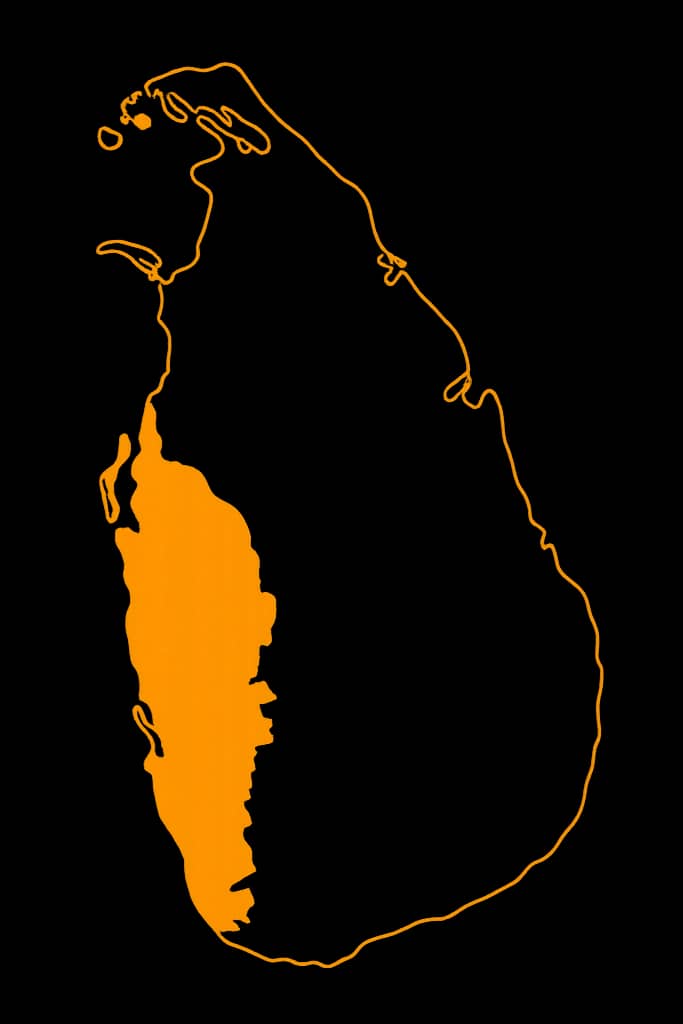
Southwest Monsoon
The Rainy Season in Southwest Sri Lanka
Best Time to Travel: October to April
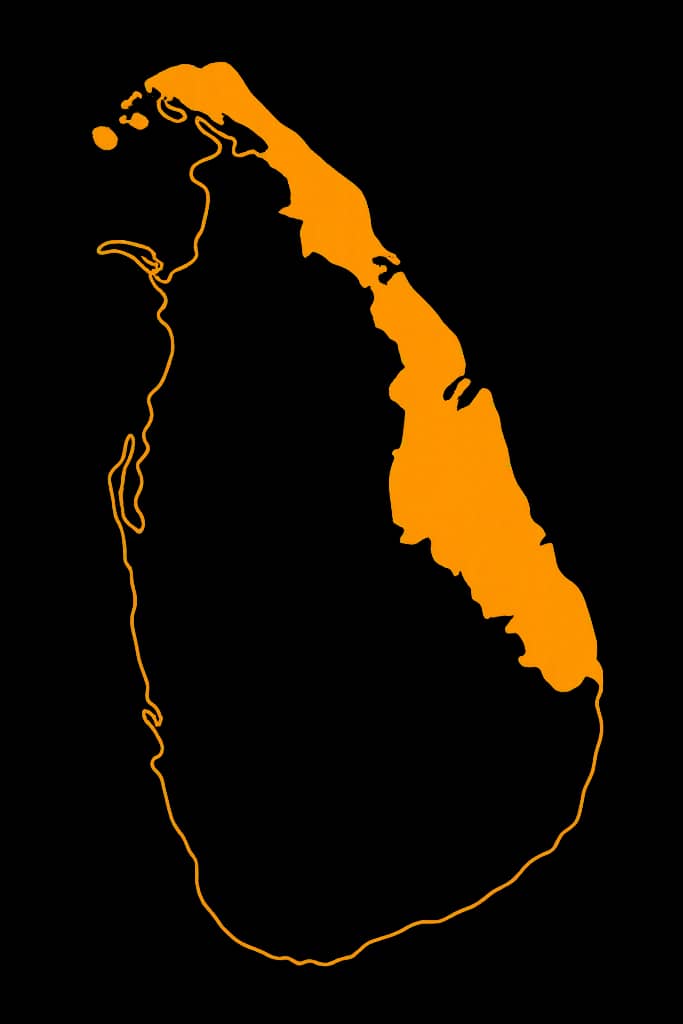
Northeast Monsoon
The Rainy Season in Northeast Sri Lanka
Best Time to Travel: May to September
Climate Zones
Sri Lanka's diverse climate zones allow travelers to find favorable weather somewhere on the island during any month of the year. Whether exploring the lush rainforests of the Wet Zone, relaxing on the sunny beaches of the Dry Zone, or enjoying the cool mountain air of the Central Highlands, visitors can experience unique landscapes and activities throughout every season. This climatic diversity makes Sri Lanka one of Asia's most versatile and rewarding year-round travel destinations.
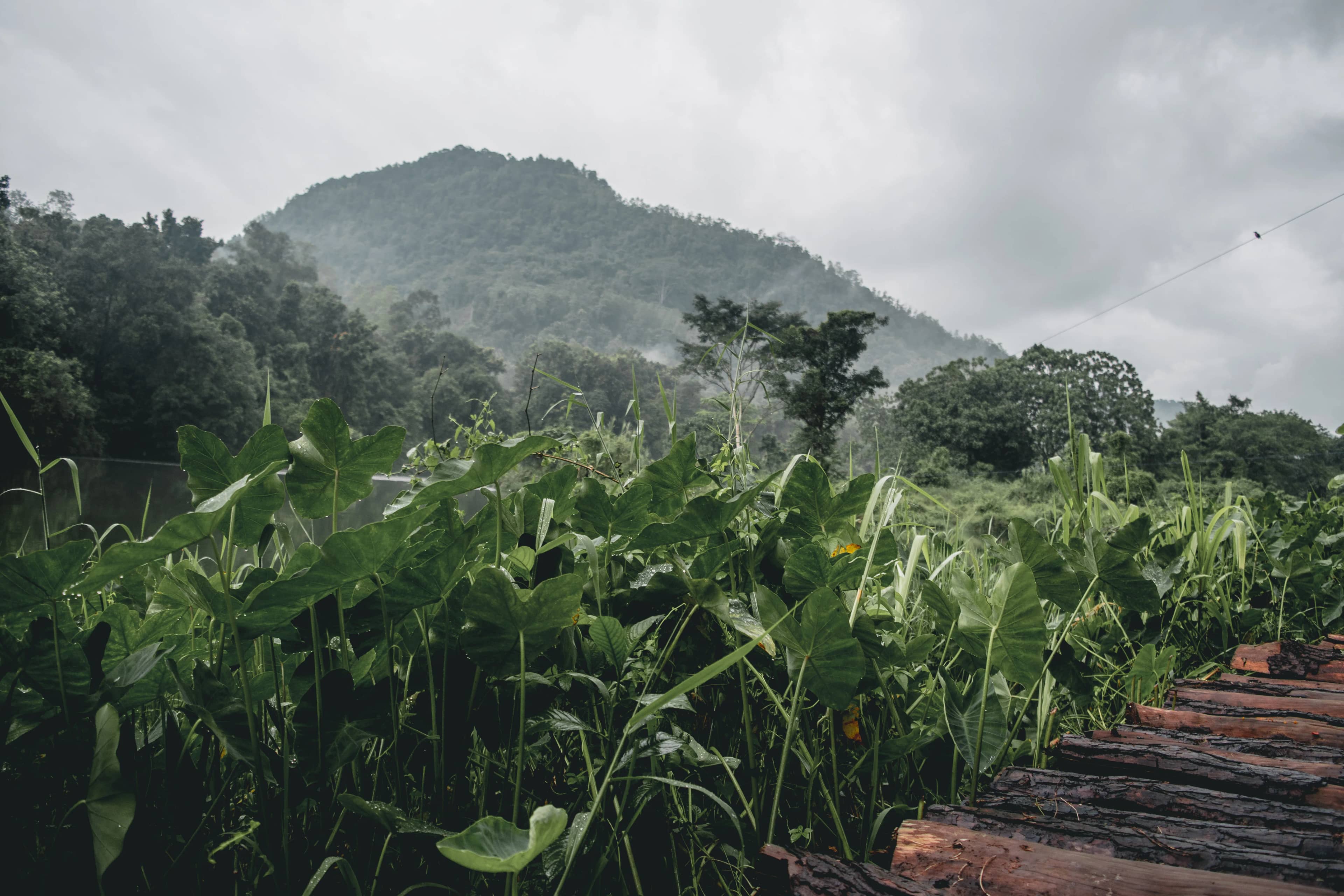
Wet Zone Climate
Sri Lanka's Wet Zone covers much of the southwest region, including Colombo, Galle, Bentota, Kalutara, and Kandy. This area receives high rainfall throughout the year, creating lush green landscapes and tropical vegetation. Temperatures typically range between 24°C and 31°C (75°F–88°F), with warm and humid conditions. The most favorable weather for travel is generally from December to April.
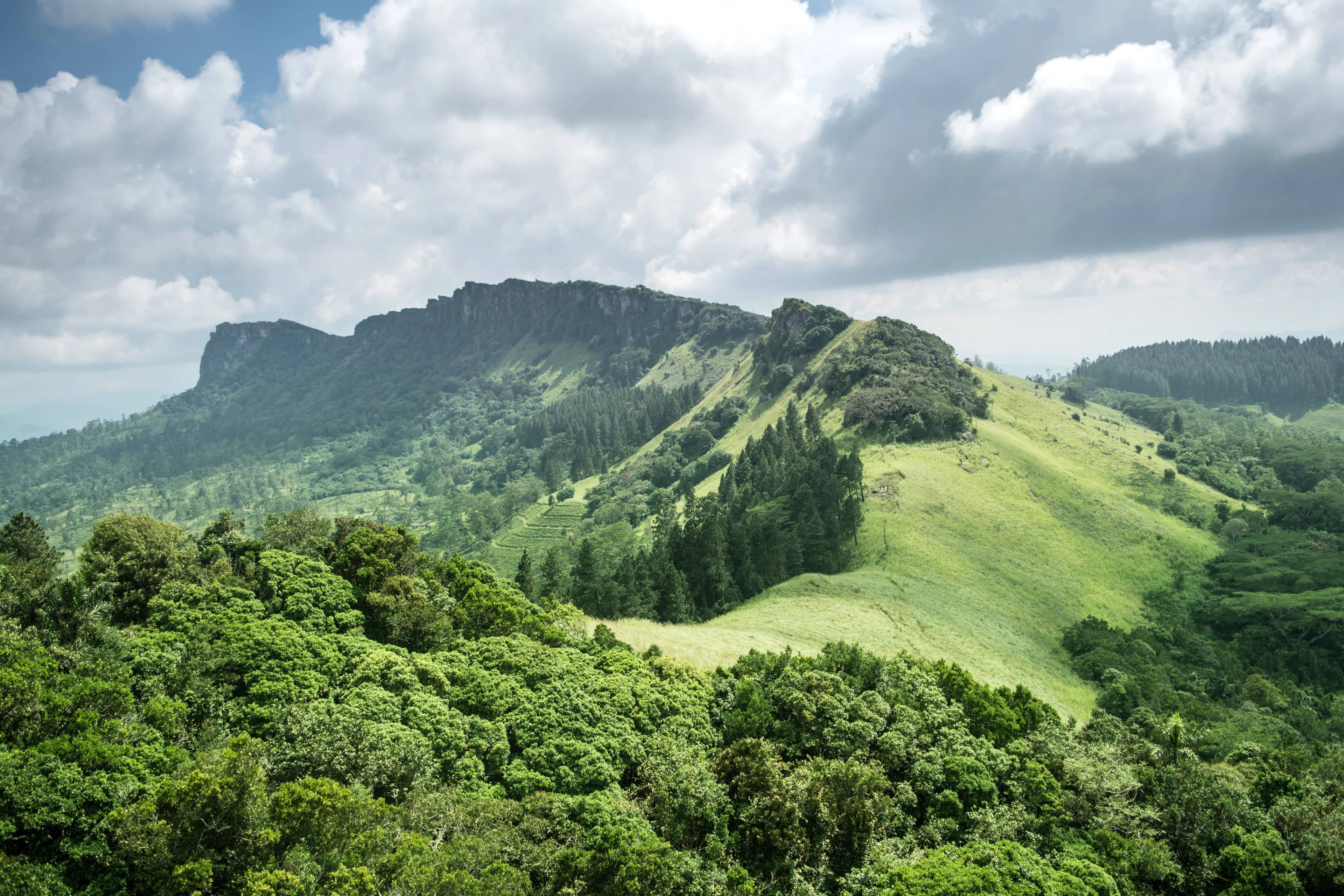
Mountain Climate
Sri Lanka's Mountain Climate is found in the central highlands, including Nuwara Eliya, Ella, Haputale, Horton Plains, and Bandarawela. Due to higher elevations, temperatures are considerably cooler, typically ranging from 10°C to 24°C (50°F–75°F). The region experiences refreshing weather, frequent mist, and cooler nights throughout the year, with the clearest conditions often occurring between January and April.
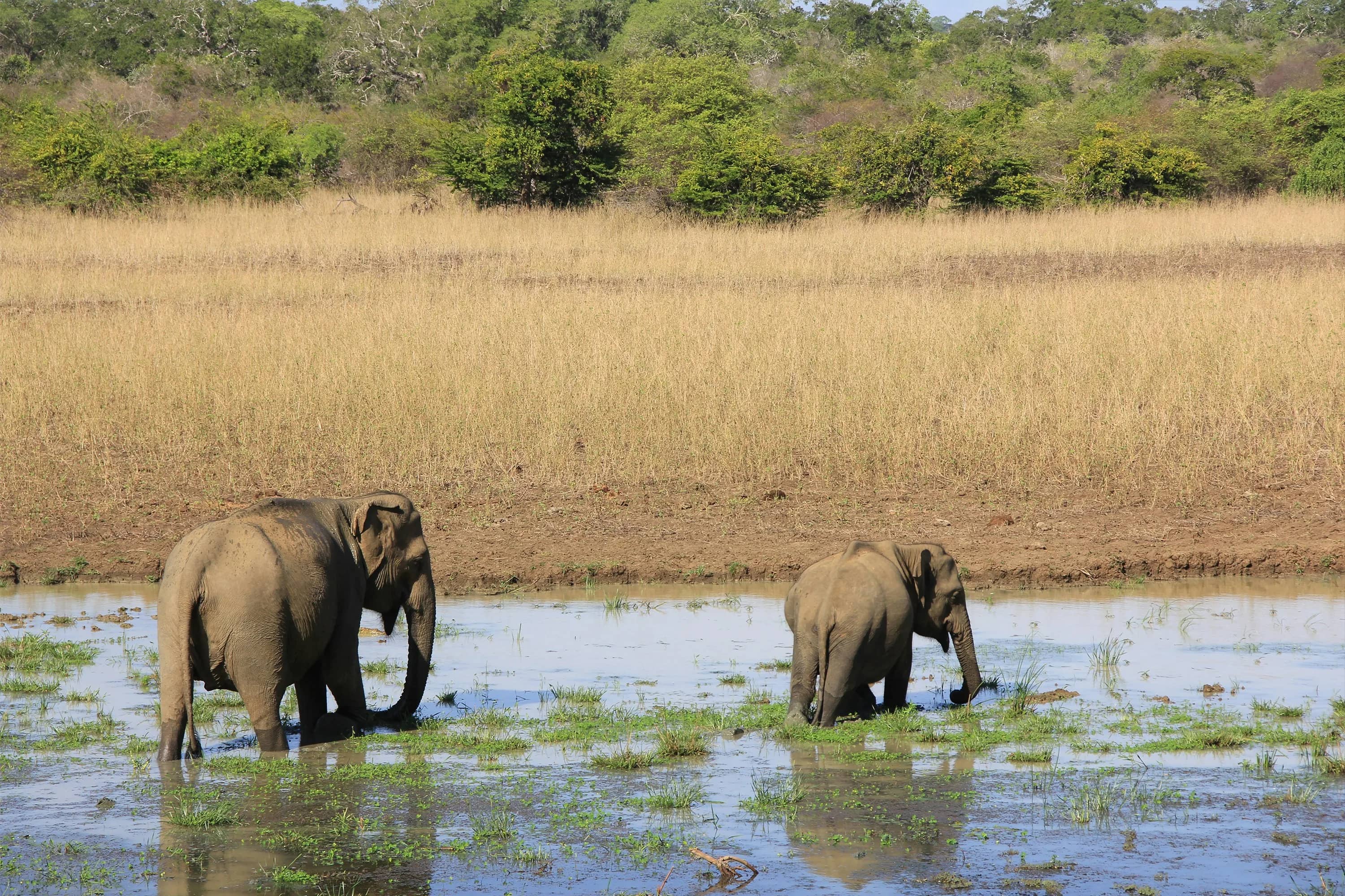
Dry Zone Climate
The Dry Zone extends across much of northern, eastern, and southeastern Sri Lanka, including Anuradhapura, Polonnaruwa, Trincomalee, Pasikuda, Arugam Bay, Sigiriya, and Yala. It experiences lower rainfall, abundant sunshine, and temperatures ranging from 27°C to 35°C (81°F–95°F). Dry and sunny conditions are most common between May and September, making this period ideal for travel.
Weather Forcast
Loading weather for Colombo…
EXPERI ENCES
Sri Lanka is one of Asia's most diverse and rewarding travel destinations, offering an extraordinary range of attractions and experiences within a compact island. Explore ancient UNESCO World Heritage Sites, pristine tropical beaches, lush rainforests, and mist-covered tea plantations — then dive deeper with thrilling wildlife safaris, scenic highland train rides, whale watching excursions, surfing, Ayurvedic wellness retreats, and authentic village encounters. Whether you are visiting Sri Lanka for the first time or returning to discover more, every corner of the island reveals a unique and unforgettable experience waiting to be explored.
THINGS TO SEE
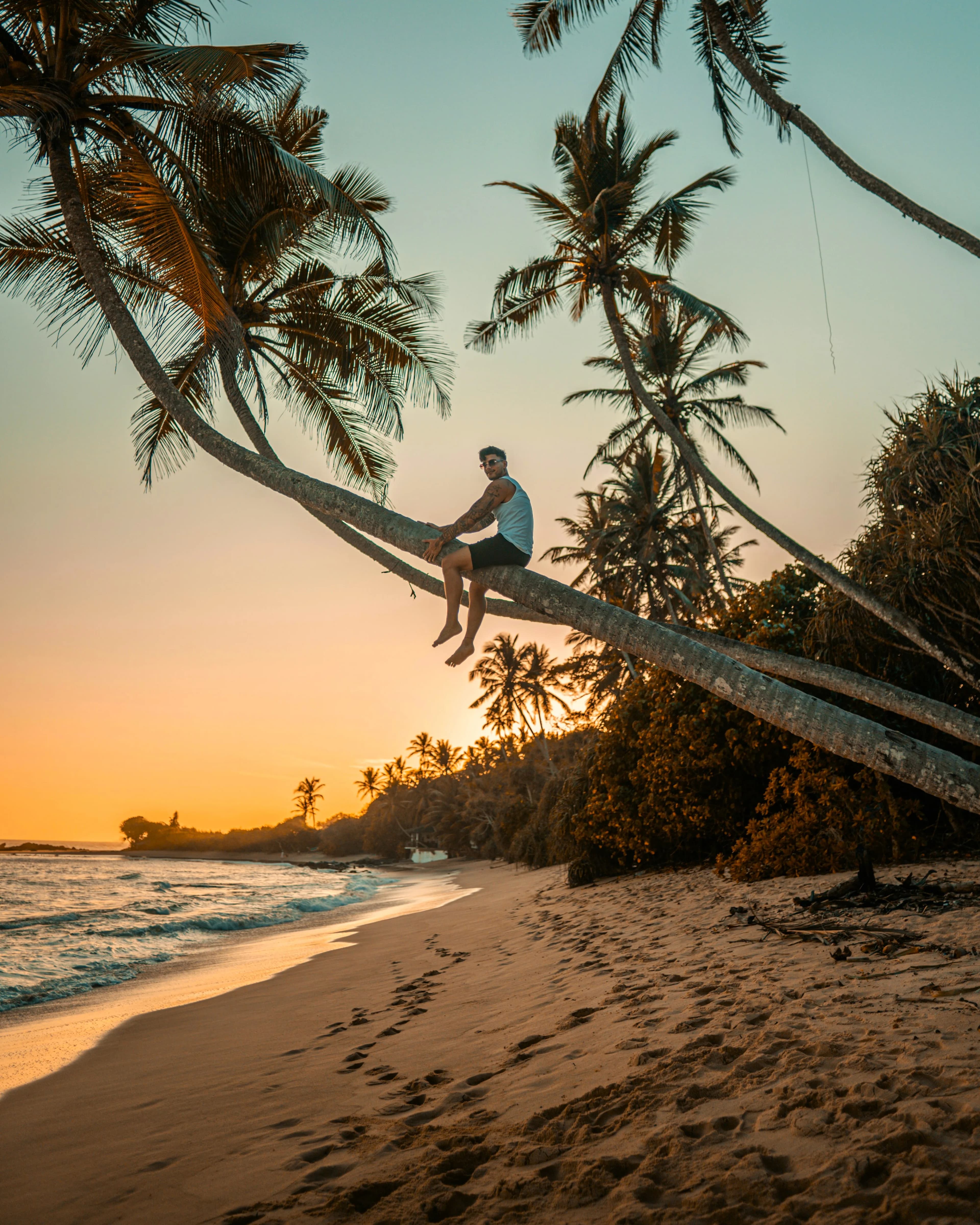
TROPICAL BEACHES
Discover Sri Lanka's stunning tropical beaches stretching from golden sand shores in the south to palm-fringed bays in the east. Unwind at Mirissa, Unawatuna, Arugam Bay, and Pasikuda — each offering crystal-clear waters, vibrant sunsets, and serene coastal escapes perfect for relaxation, snorkelling, and unforgettable seaside moments.
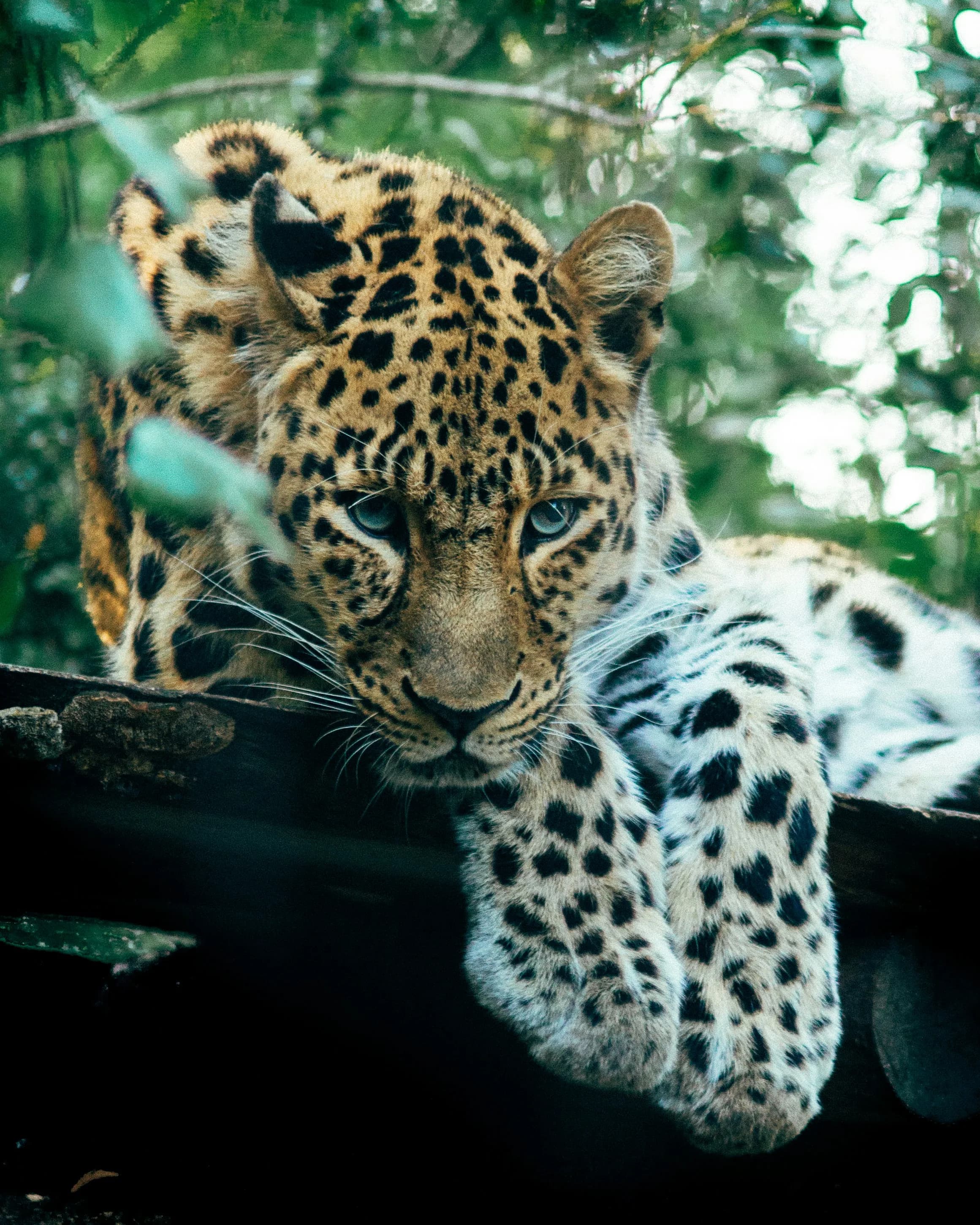
NATIONAL PARKS
Explore Sri Lanka's legendary national parks, home to leopards, elephants, sloth bears, and exotic birdlife. Yala, Wilpattu, Udawalawe, and Minneriya offer thrilling wildlife encounters within diverse ecosystems ranging from dry scrublands to lush jungle reserves — some of Asia's most biodiverse protected wilderness areas.
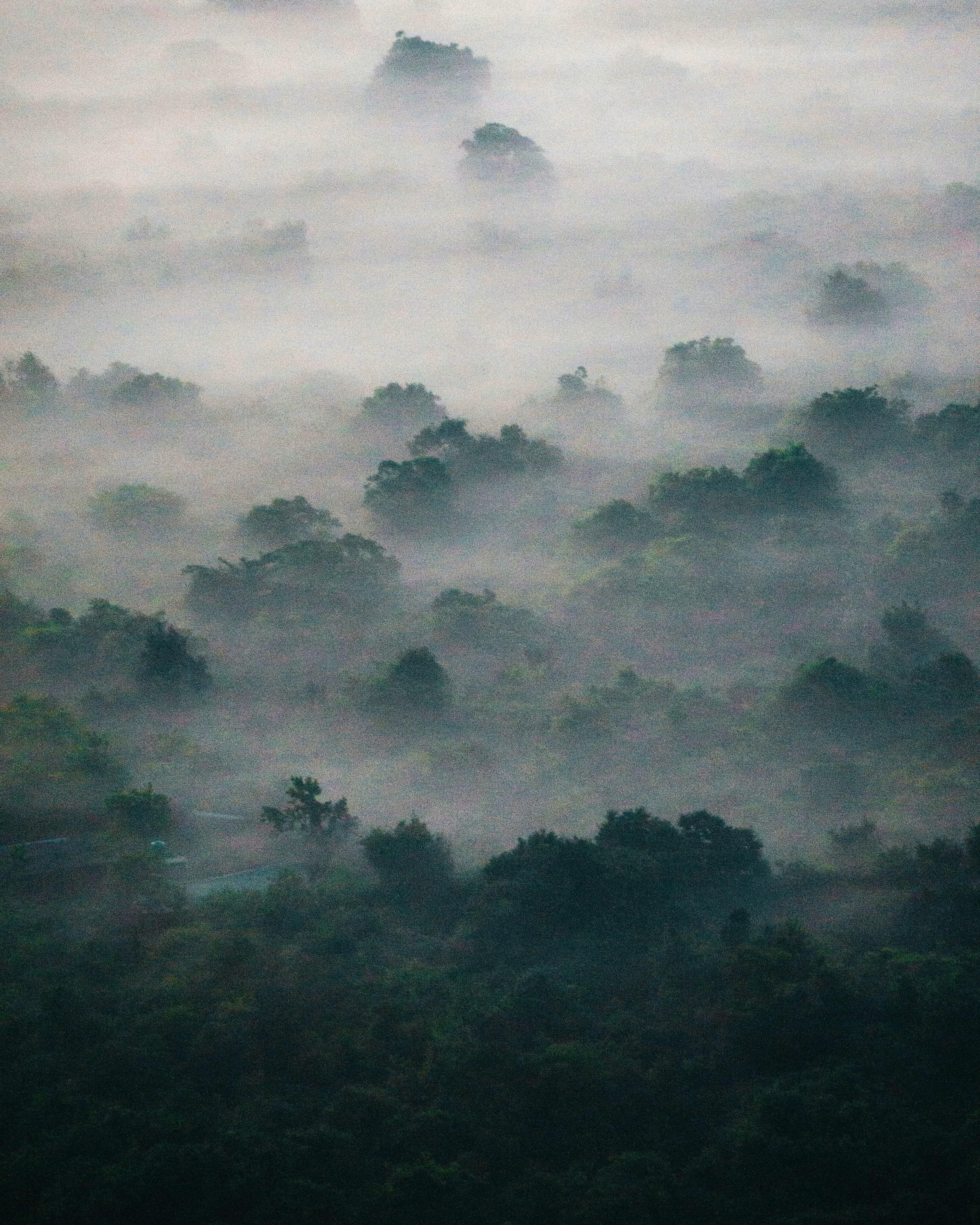
RAINFORESTS & FOREST RESERVES
Wander through ancient rainforests and biodiversity hotspots like Sinharaja, Knuckles, and Kanneliya. These UNESCO-listed and protected reserves shelter endemic species of flora and fauna found nowhere else on Earth, offering immersive eco-tourism experiences and extraordinary opportunities for nature photography and wildlife discovery.
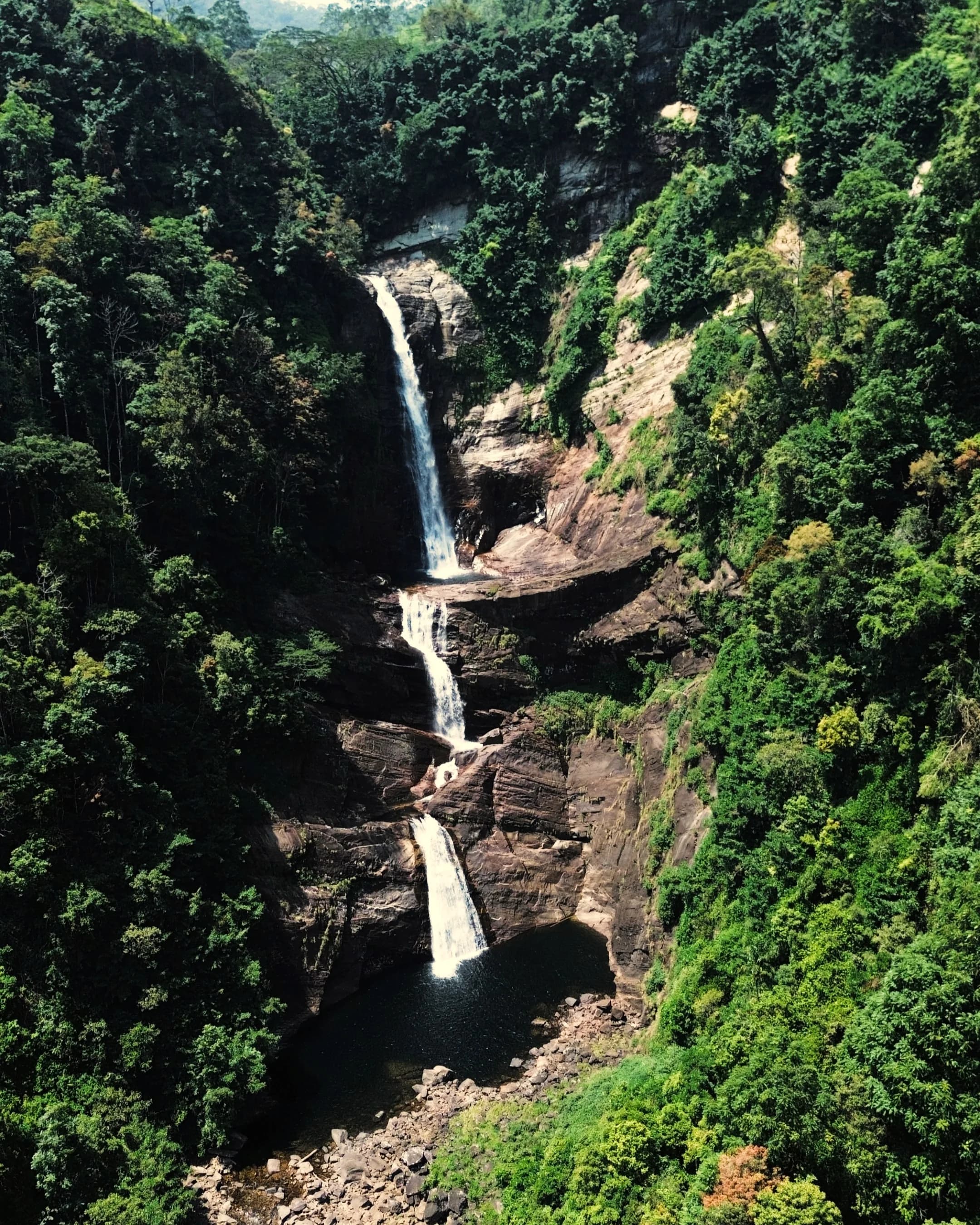
WATERFALLS
Marvel at Sri Lanka's breathtaking waterfalls cascading through lush highland landscapes. From Bambarakanda — the island's tallest — to Diyaluma, Ravana Falls, and Laxapana, each waterfall offers a spectacular natural spectacle surrounded by scenic hill country beauty, creating perfect moments for photography and refreshing dips in natural pools.
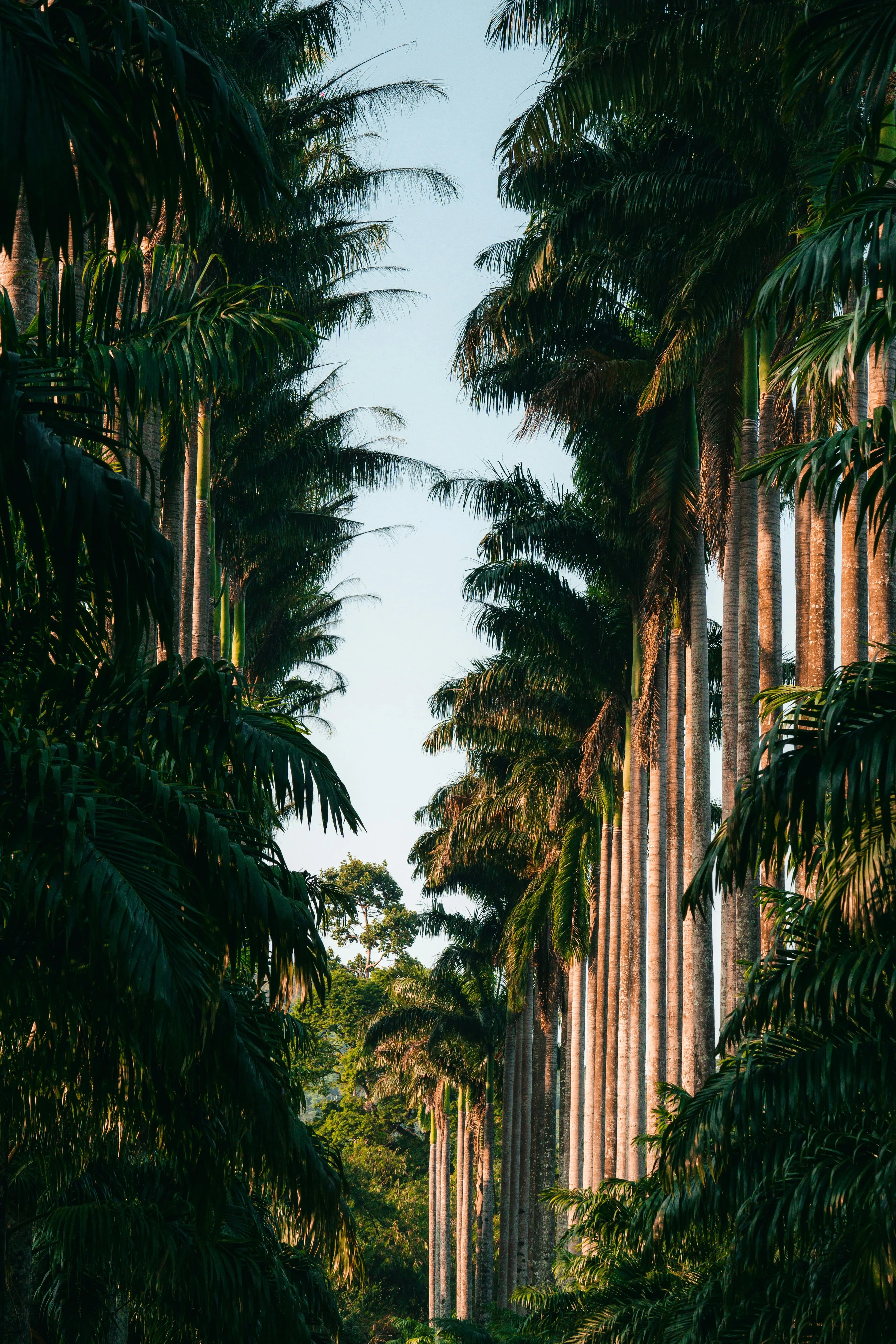
BOTANICAL GARDENS
Stroll through world-class botanical gardens showcasing tropical flora, rare orchids, and towering trees. The Royal Botanic Gardens in Peradeniya and Hakgala Botanical Garden in Nuwara Eliya are must-visit attractions offering tranquil beauty and rich horticultural heritage spanning centuries of botanical research and conservation.
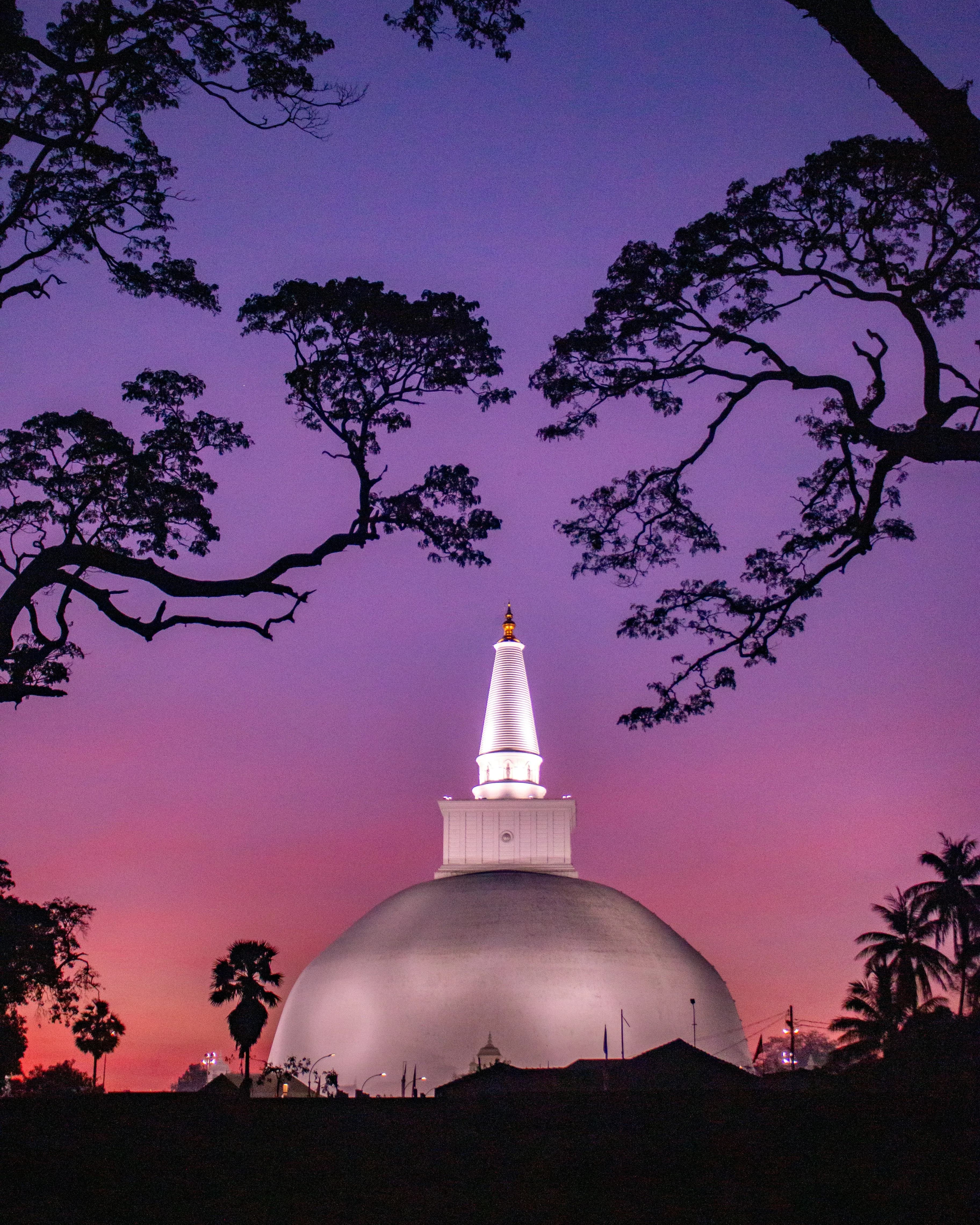
SACRED PLACES & TEMPLES
Experience Sri Lanka's profound spiritual heritage through sacred temples, ancient shrines, and pilgrimage sites. The Temple of the Tooth Relic in Kandy, Adam's Peak, Kataragama, and Kelaniya Raja Maha Viharaya are iconic landmarks of deep cultural and religious significance, attracting pilgrims and visitors from around the world.
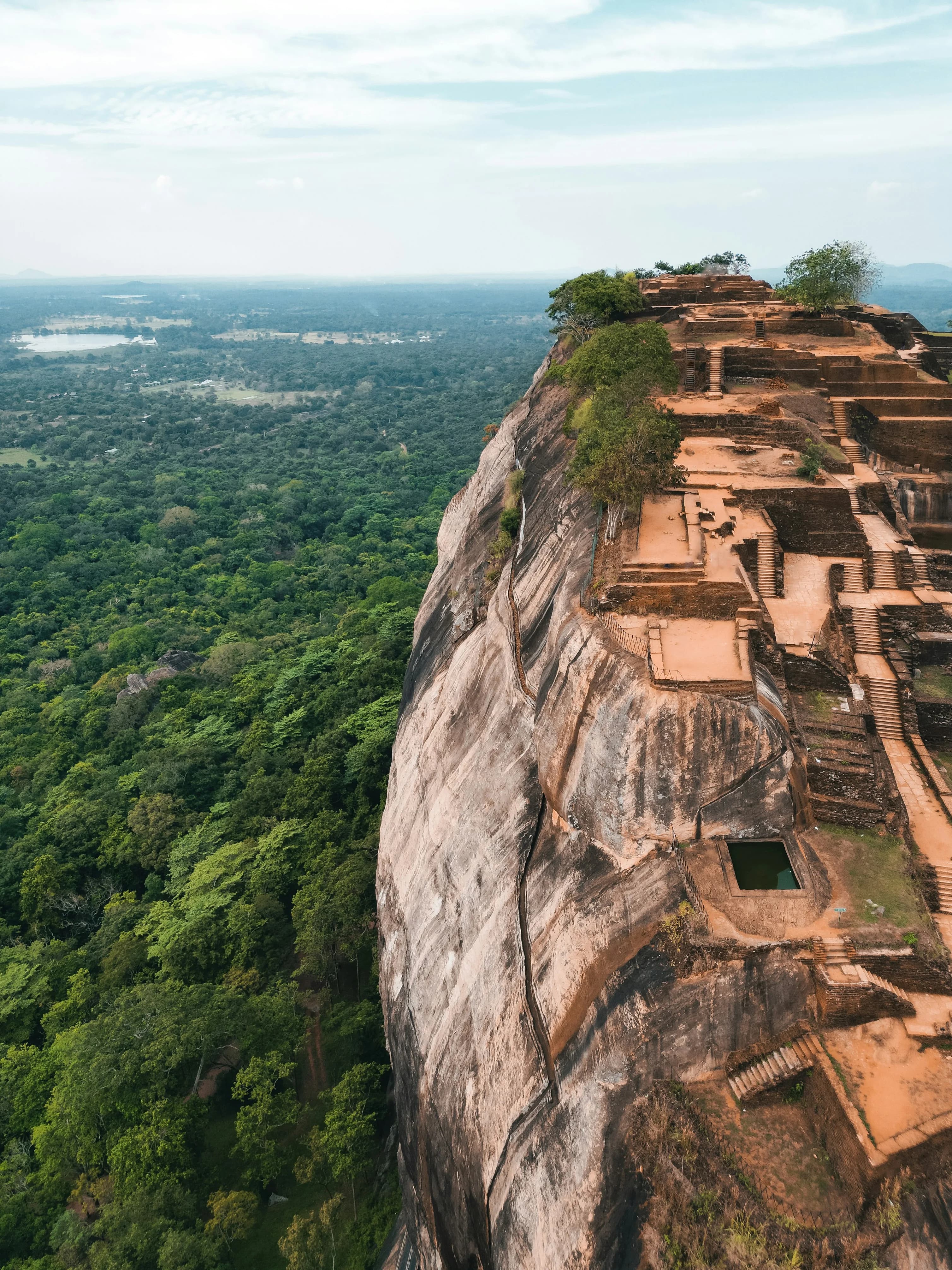
ANCIENT KINGDOMS & ARCHAEOLOGICAL SITES
Step back in time at Sri Lanka's magnificent UNESCO World Heritage Sites. Explore the royal citadel of Sigiriya, ancient kingdoms of Anuradhapura and Polonnaruwa, and the cave temples of Dambulla — extraordinary archaeological treasures spanning over 2,500 years of remarkable civilization, artistry, and royal heritage.
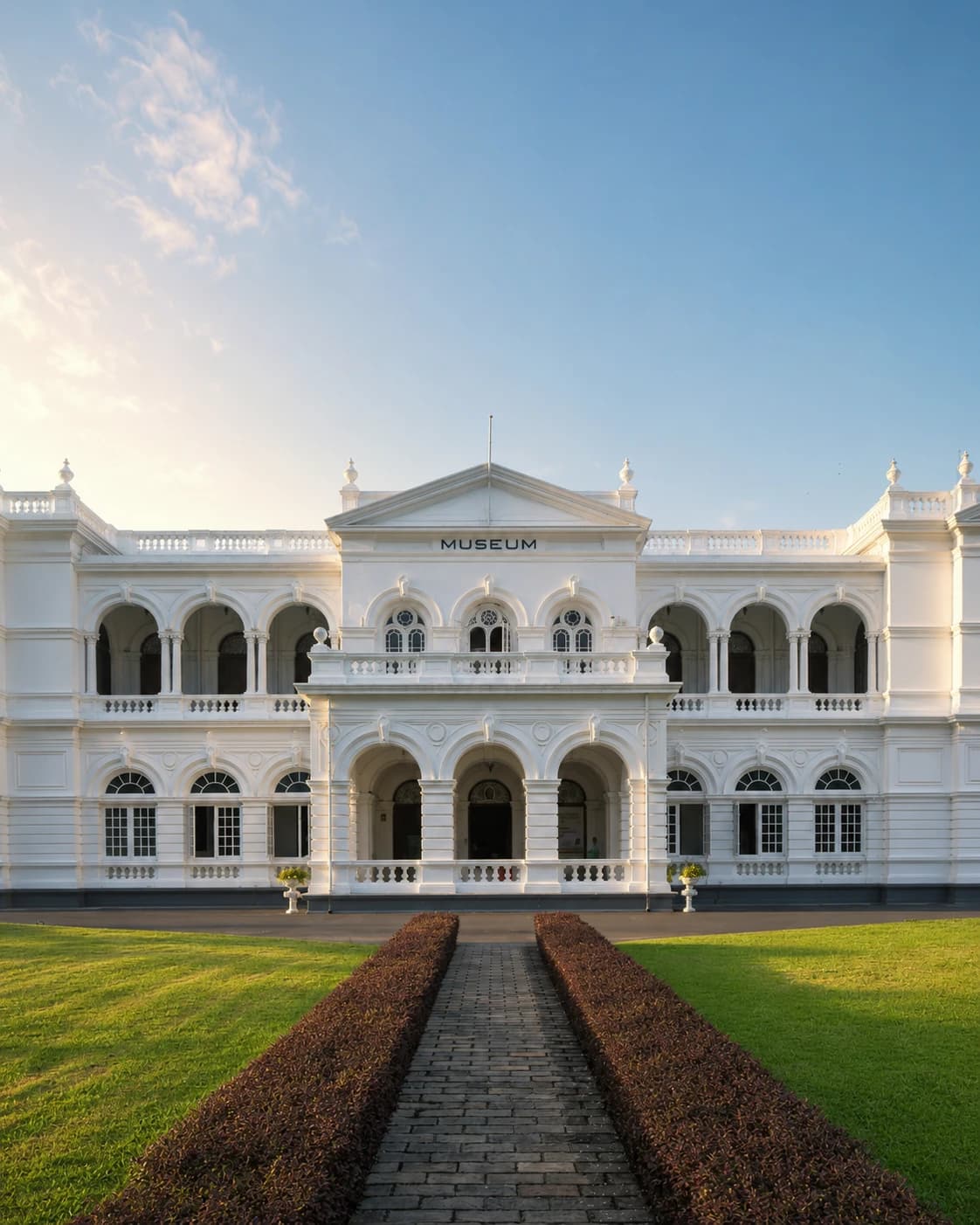
MUSEUMS
Discover Sri Lanka's rich history, culture, and natural heritage through world-class museums. The National Museum of Colombo, Dutch Period Museum in Galle, and Kandy National Museum house priceless artefacts, royal regalia, and exhibitions tracing the island's extraordinary past from prehistoric times through colonial eras to independence.
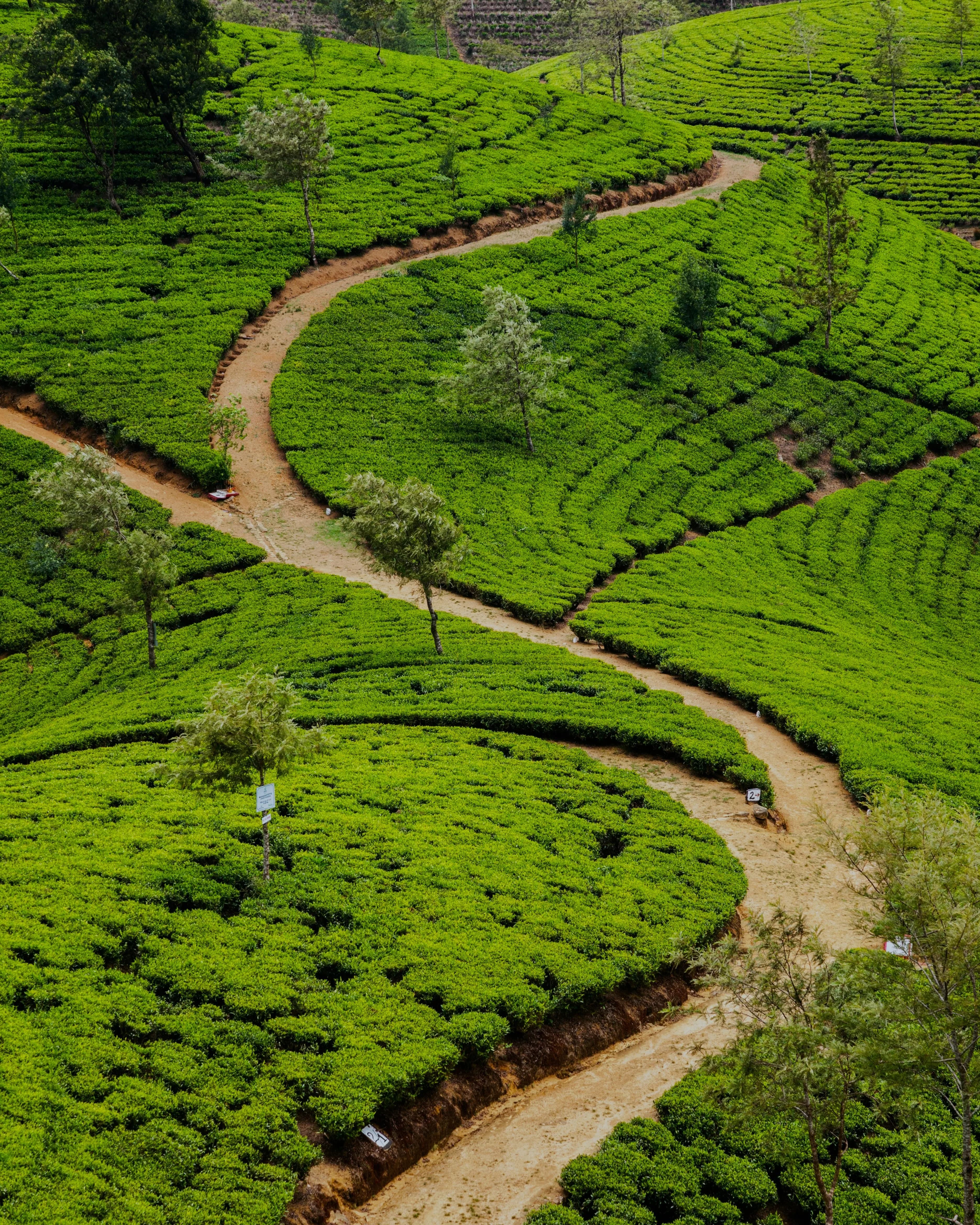
TEA PLANTATIONS
Journey through endless emerald tea estates blanketing Sri Lanka's misty central highlands. Explore iconic plantation regions in Nuwara Eliya, Ella, Haputale, and Dimbula — where you can visit working tea factories, learn about Ceylon Tea production, and savour freshly brewed cups with sweeping mountain views.
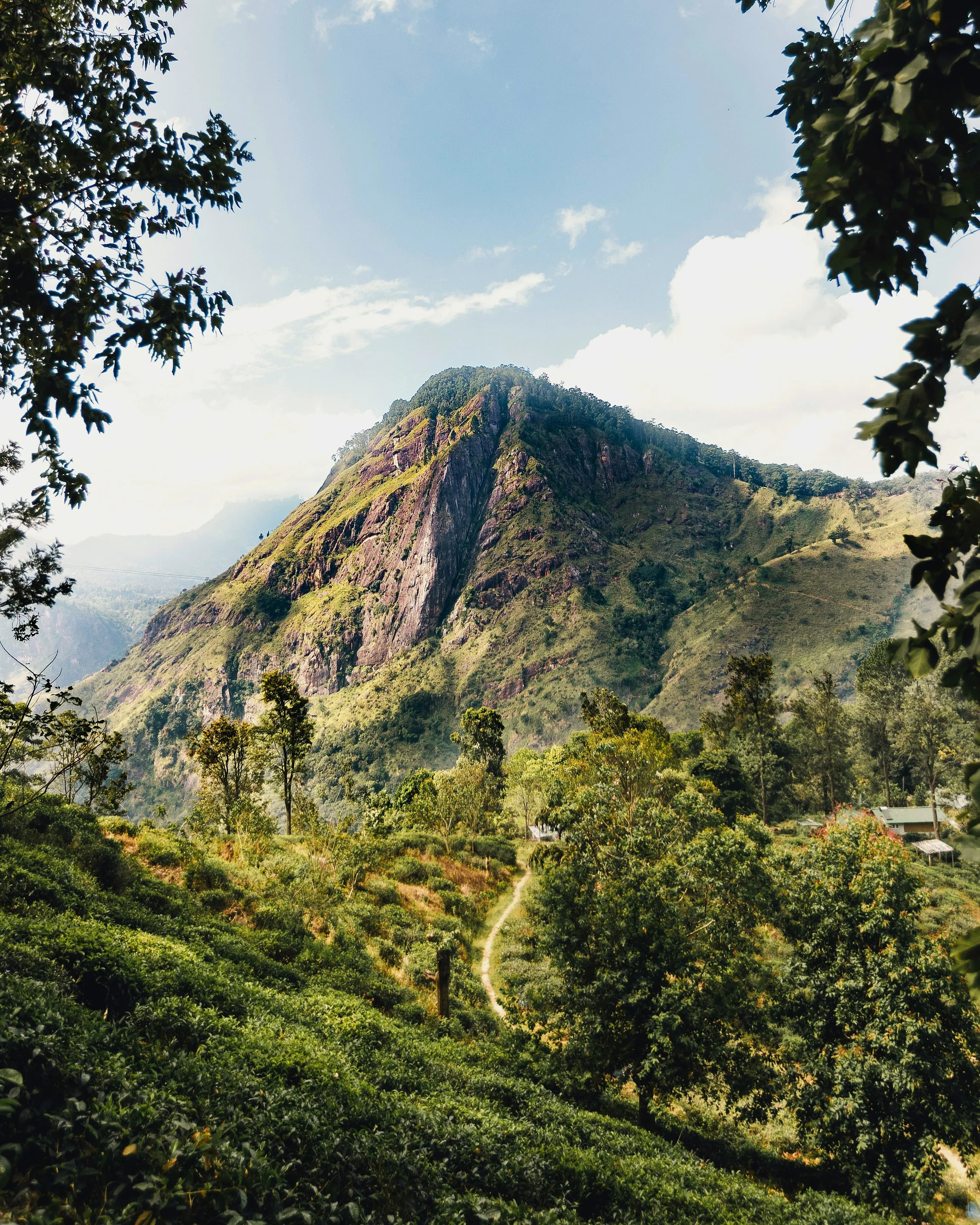
MOUNTAINS & HILL COUNTRY
Discover Sri Lanka's dramatic mountain landscapes and cool highland retreats. The Central Highlands encompass Pidurutalagala — the island's highest peak — Horton Plains, Knuckles Range, and the misty valleys of Nuwara Eliya, offering spectacular scenery, refreshing alpine air, and exceptional trekking and sightseeing opportunities.
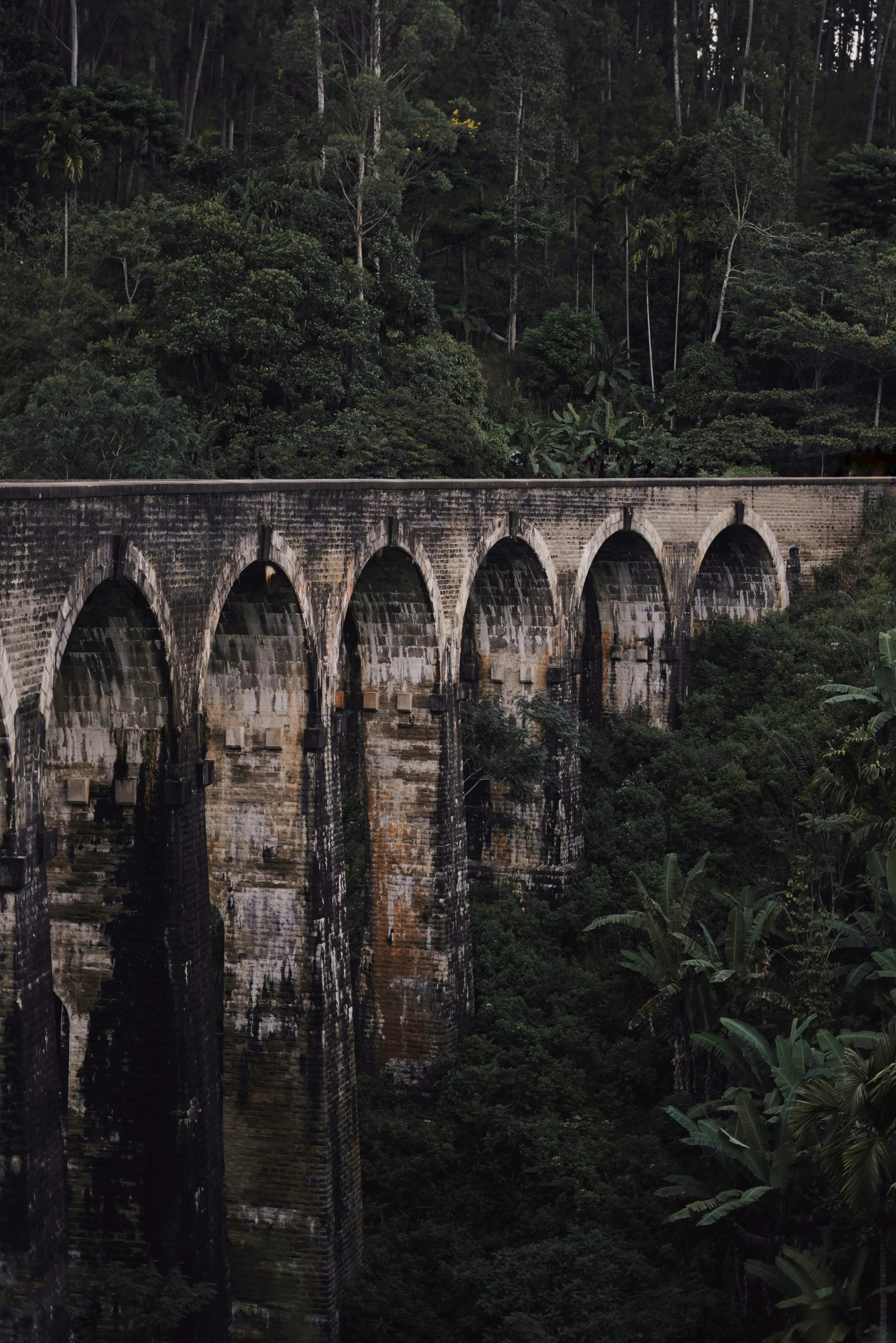
SCENIC VIEWPOINTS
Soak in panoramic vistas from Sri Lanka's most breathtaking viewpoints. World's End at Horton Plains, Ella Rock, Lipton's Seat, and Little Adam's Peak offer sweeping views of valleys, waterfalls, and rolling tea estates — creating unforgettable moments and extraordinary photography opportunities for every traveller.
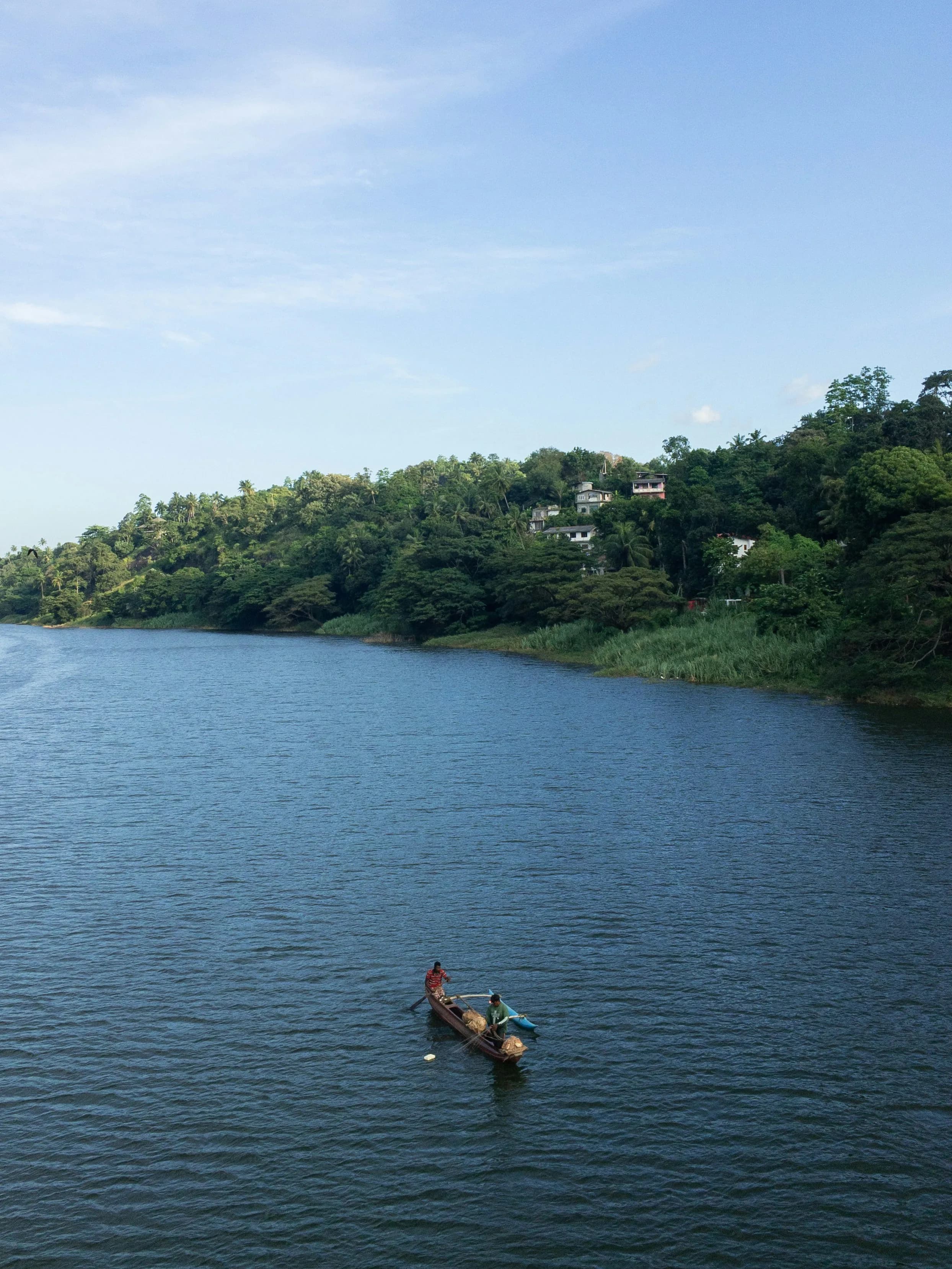
LAKES, RIVERS & LAGOONS
Experience the serene beauty of Sri Lanka's lakes, rivers, and coastal lagoons. Kandy Lake, Nuwara Eliya Lake, Bolgoda, and the Madu River estuary offer scenic boat rides, birdwatching, and peaceful natural escapes amid lush tropical and highland surroundings throughout the year.
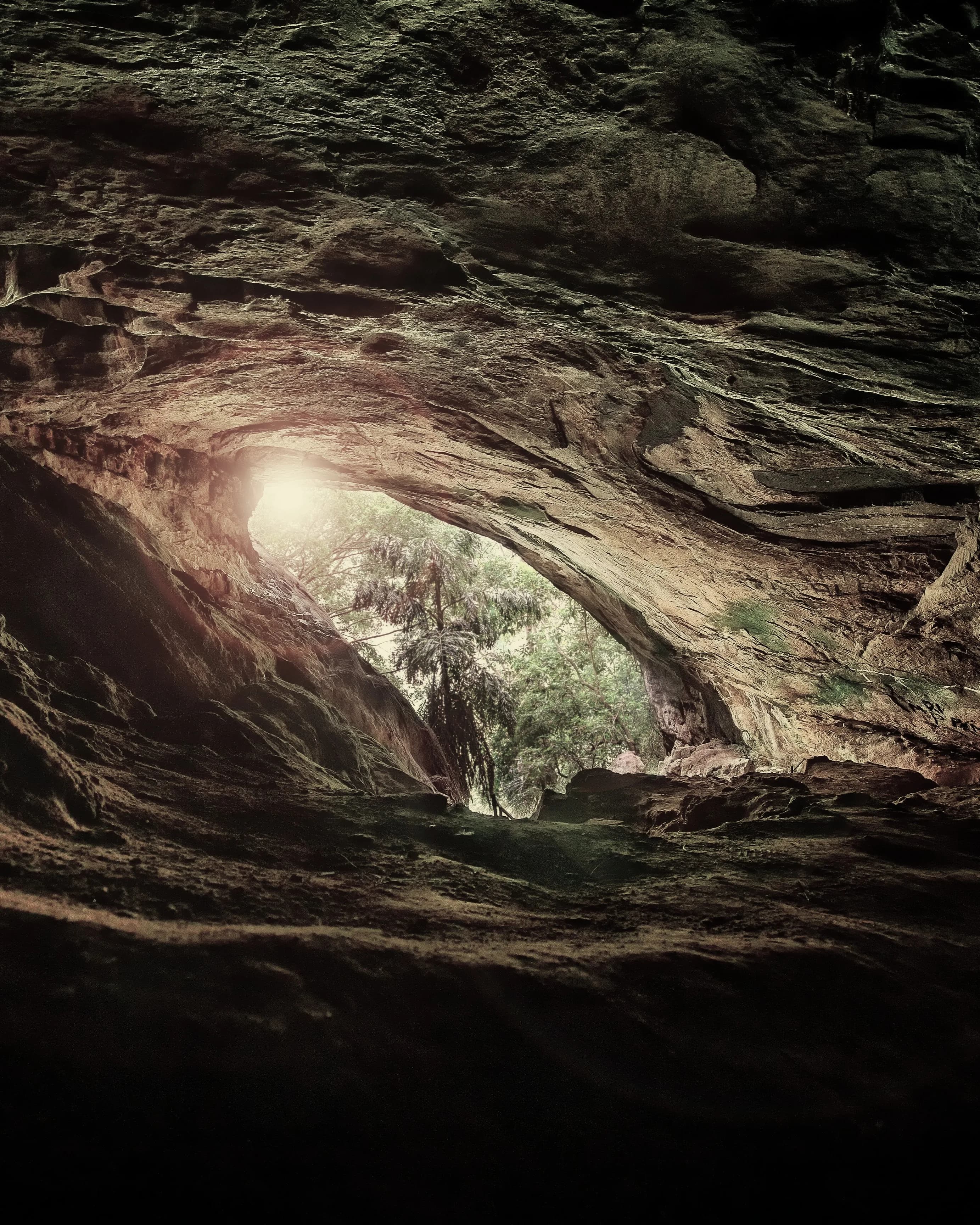
CAVES & ROCK FORMATIONS
Explore Sri Lanka's fascinating caves and dramatic rock formations shaped by millions of years of natural history. Dambulla Cave Temple, Pidurangala Rock, Pahiyangala, and Ritigala ruins offer extraordinary geological wonders and sacred cultural heritage set within stunning natural environments.
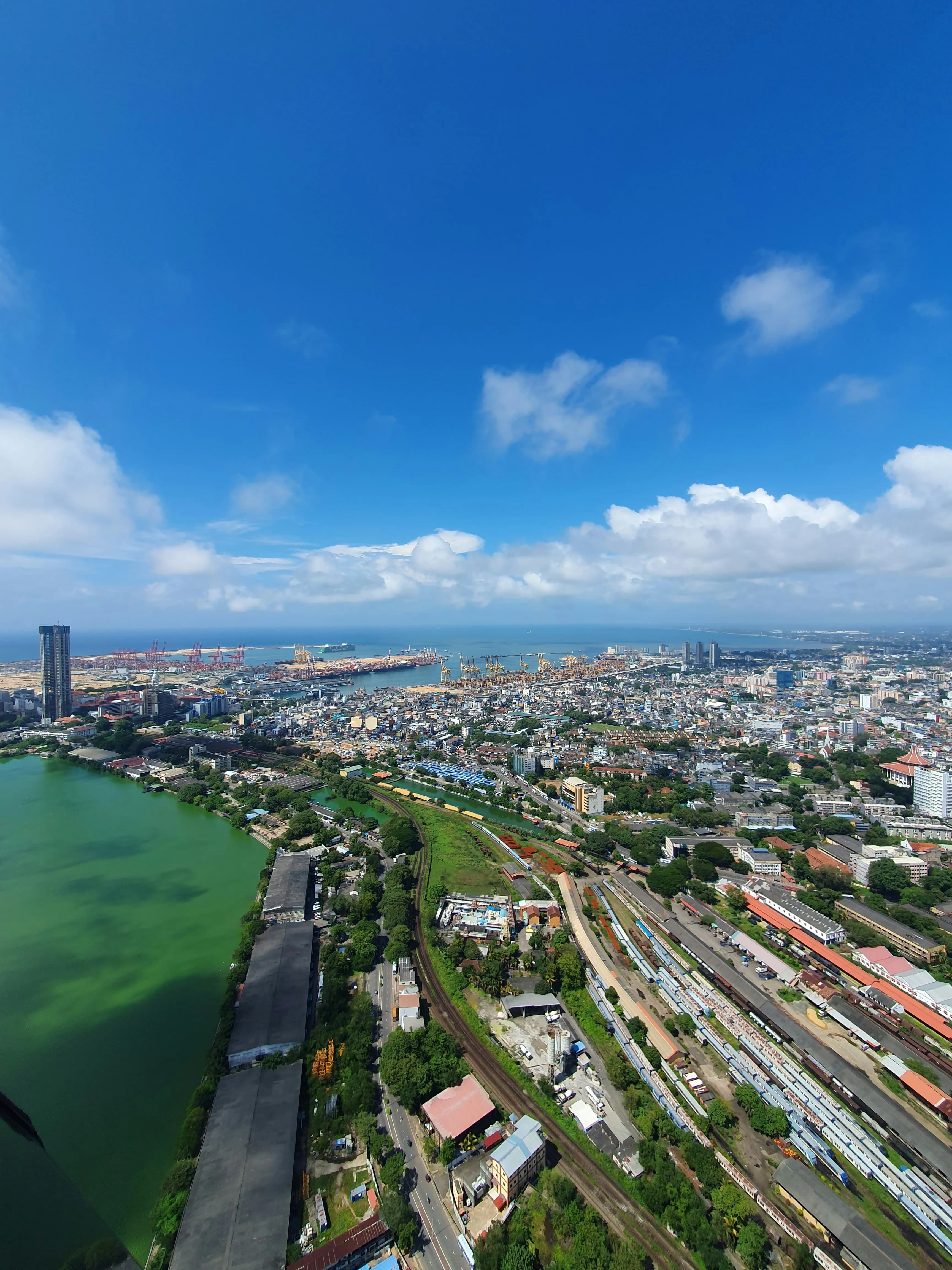
CITIES & COASTAL TOWNS
Discover the vibrant character of Sri Lanka's cities and charming coastal towns. From Colombo's cosmopolitan energy and Galle's Dutch colonial grandeur to the cultural heartland of Kandy and the heritage streets of Jaffna, each destination reveals a unique and captivating side of the island's rich history and living culture.
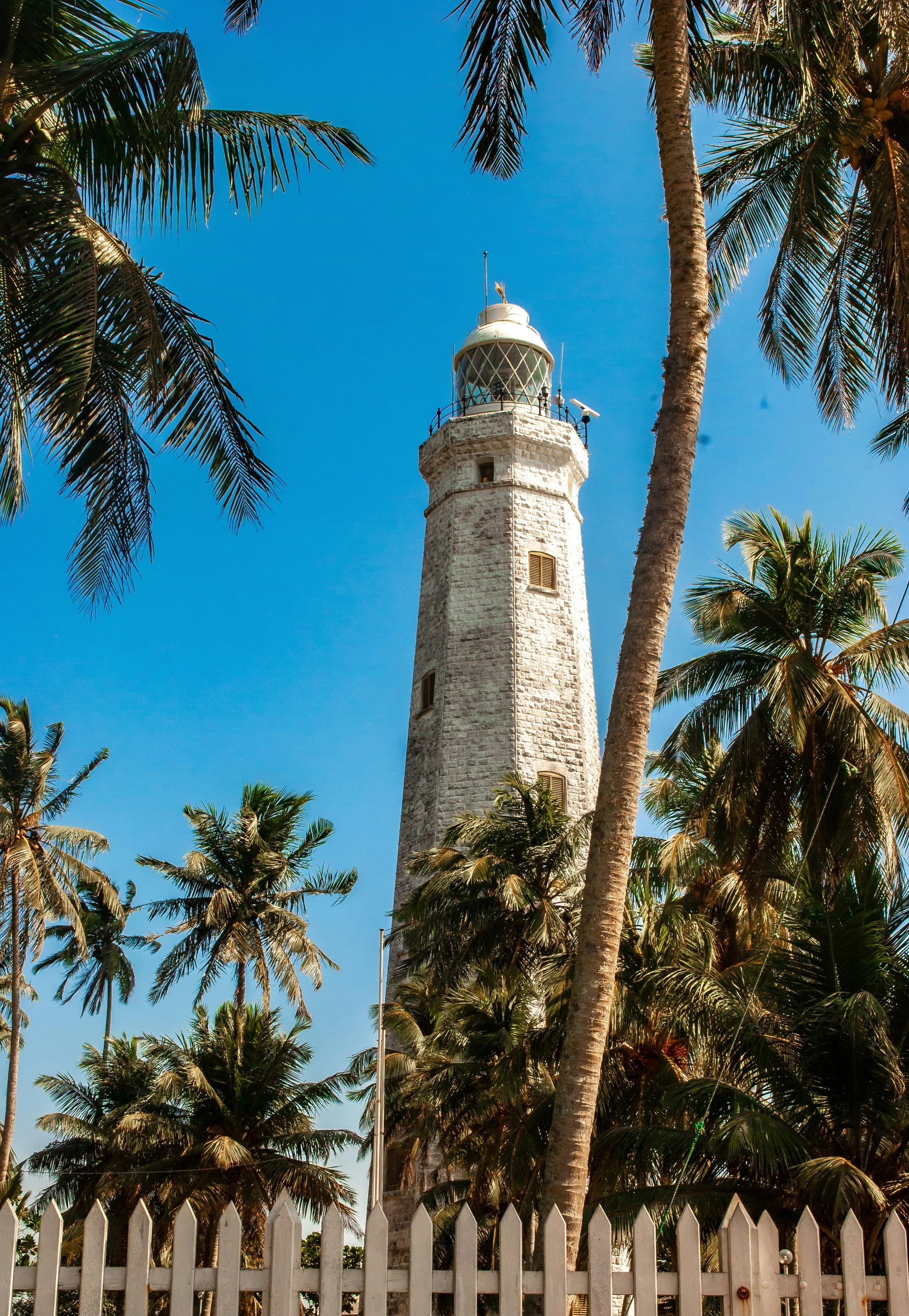
COLONIAL ARCHITECTURE & HERITAGE BUILDINGS
Explore Sri Lanka's remarkable colonial-era landmarks, from Dutch forts and British hill-country estates to historic churches, lighthouses, and government buildings that showcase centuries of Portuguese, Dutch, and British influence across the island.
THINGS TO DO
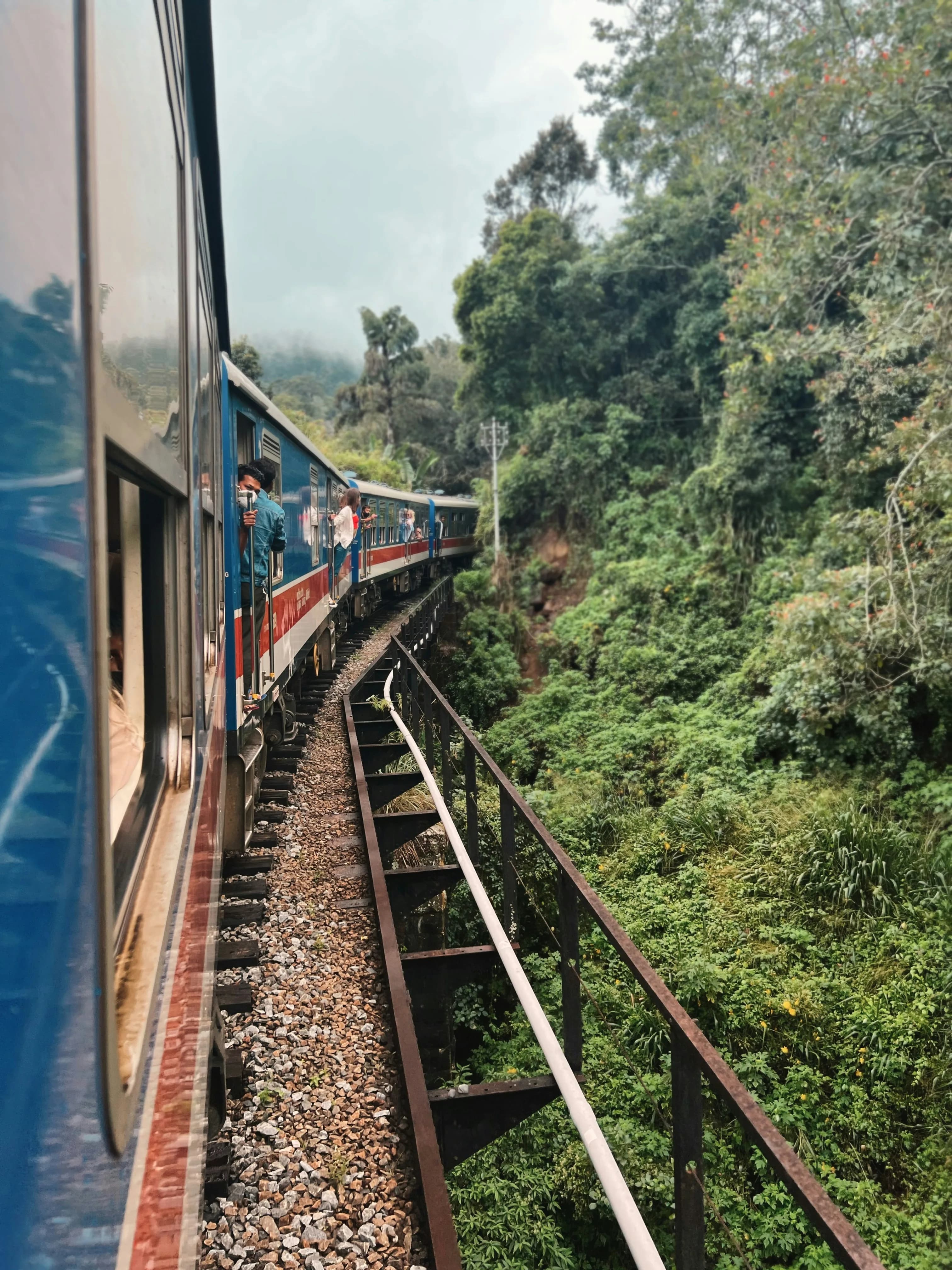
SCENIC TRAIN RIDES
Experience one of the world's most iconic railway journeys through Sri Lanka's breathtaking highlands. The Kandy to Ella train route winds through misty mountains, emerald tea estates, and ancient tunnels, offering spectacular views that have made it a legendary must-do and unforgettable highlight for every visitor to Sri Lanka.
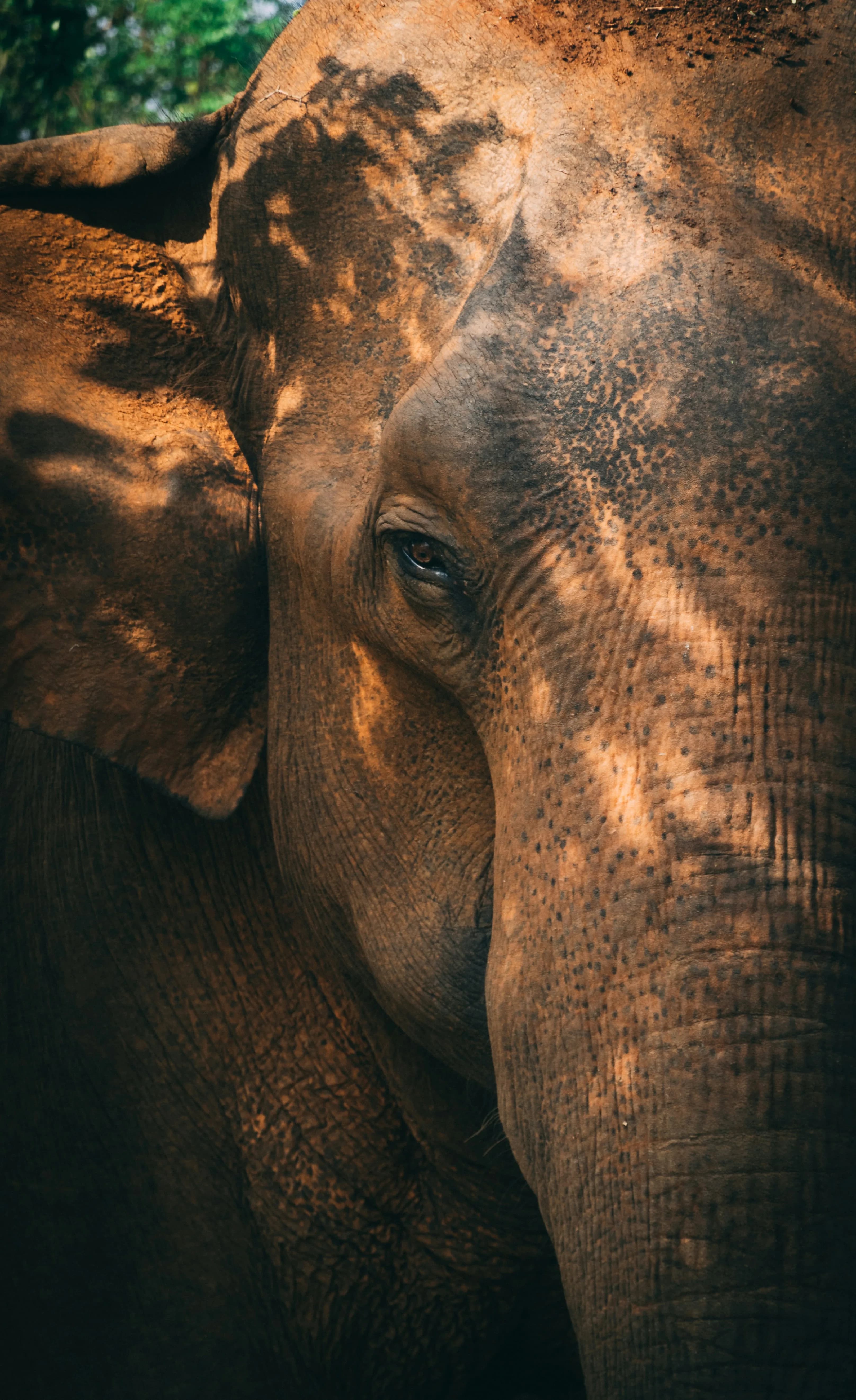
WILDLIFE SAFARIS
Embark on thrilling jeep safaris through Sri Lanka's premier national parks. Spot the world's highest density of leopards at Yala, vast elephant herds at Minneriya, sloth bears at Wilpattu, and diverse wildlife at Udawalawe — extraordinary encounters with majestic animals in their natural, unspoiled habitats.
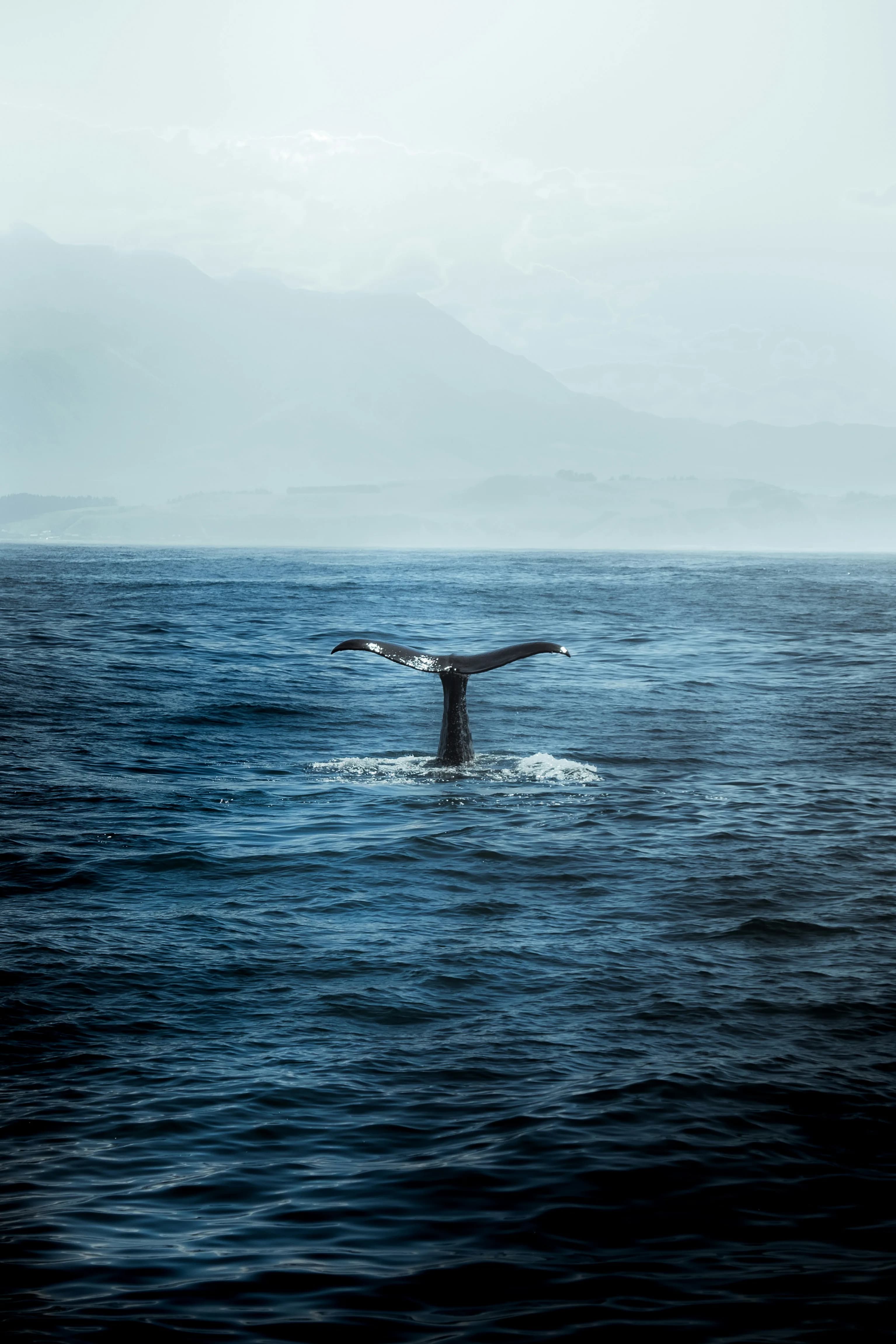
WHALE & DOLPHIN WATCHING
Set sail on unforgettable whale and dolphin watching excursions off Sri Lanka's southern coast. Mirissa and Trincomalee are world-renowned hotspots for blue whales — the largest animals on Earth — along with sperm whales, spinner dolphins, and playful pods in spectacular open ocean waters.
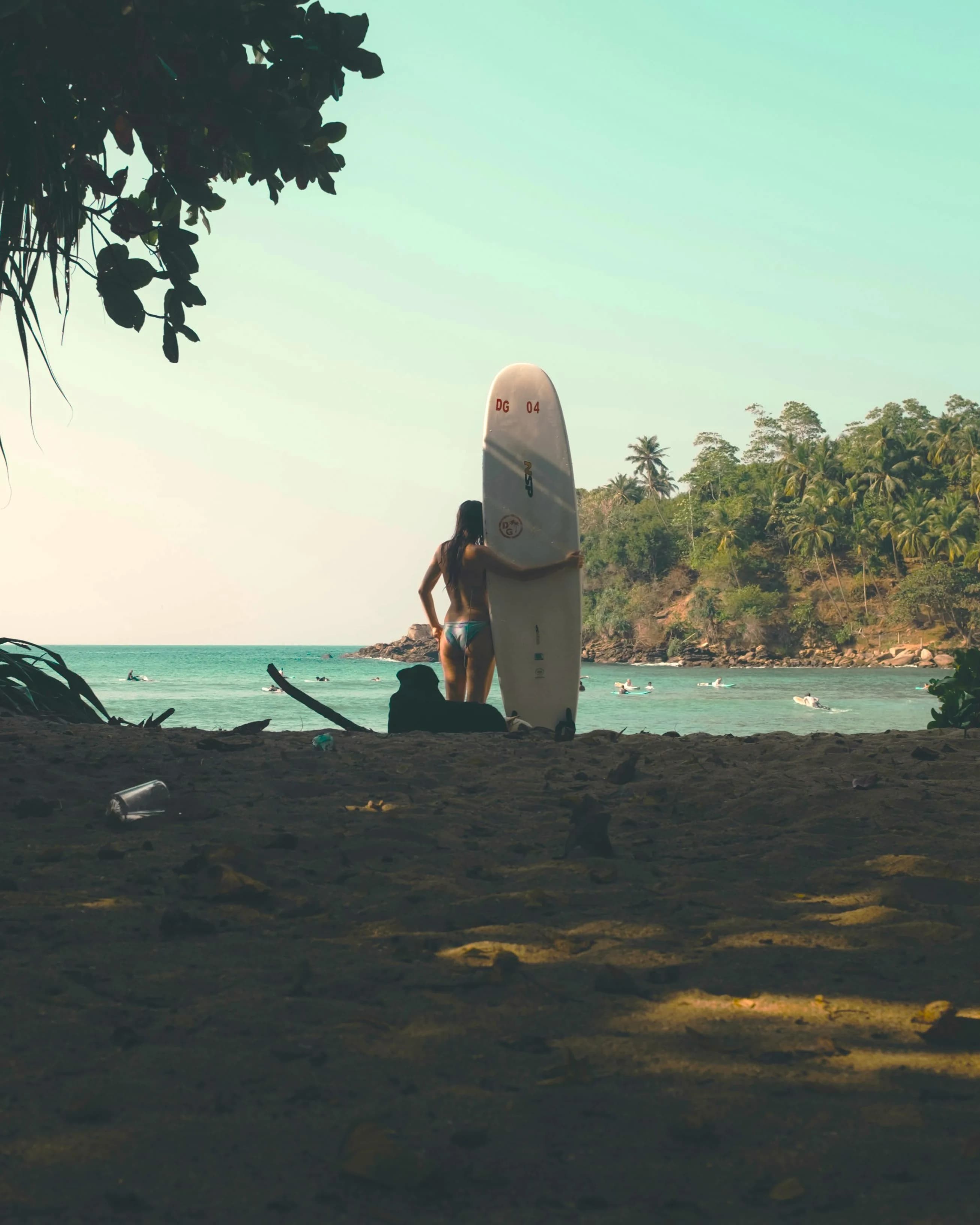
SURFING
Ride world-class waves at Sri Lanka's legendary surf spots. Arugam Bay on the east coast is renowned among global surfers for its consistent, powerful swells, while Hikkaduwa, Mirissa, and Weligama offer excellent breaks for all skill levels — from first-time beginners to seasoned wave riders.
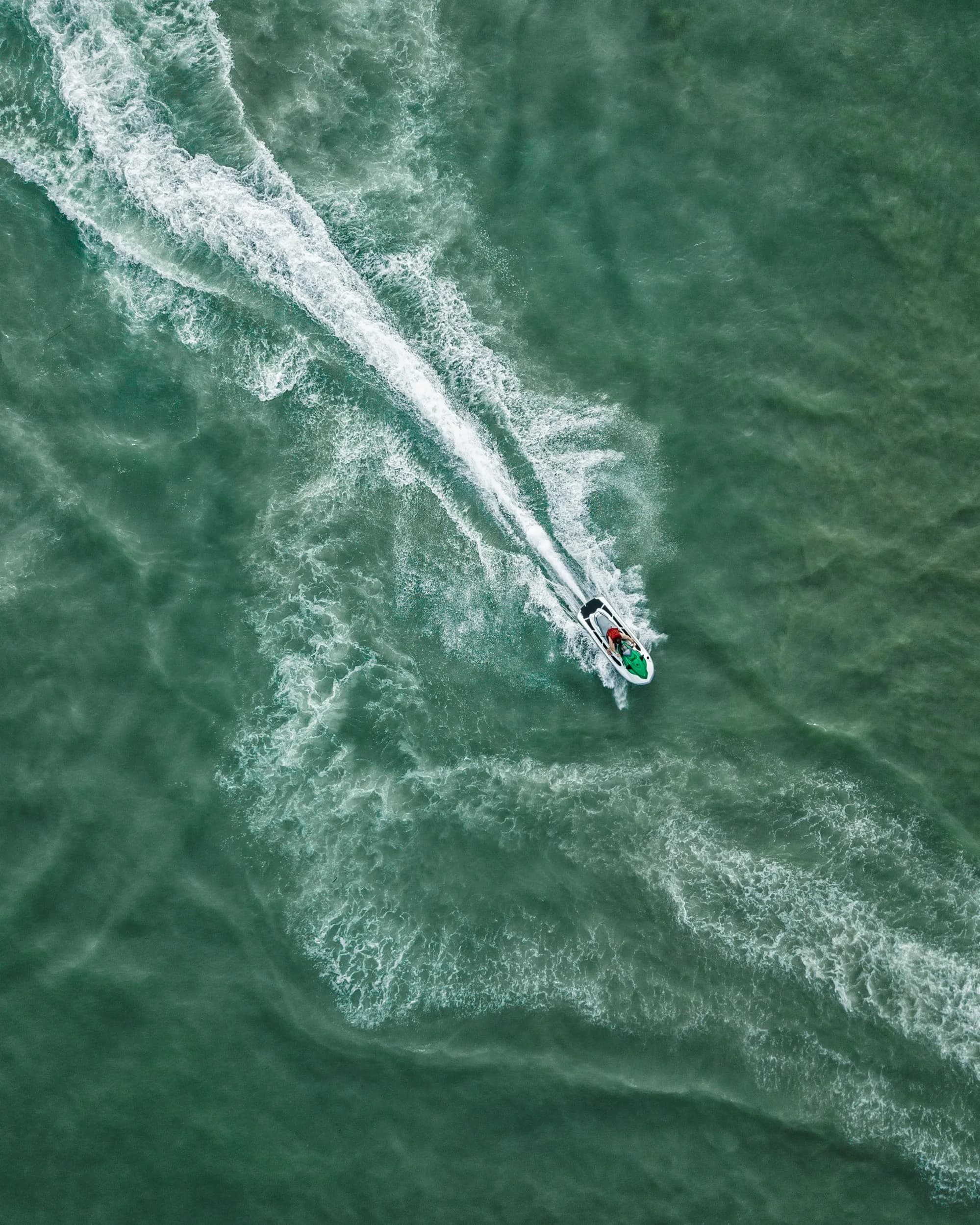
WATER SPORTS
Enjoy a thrilling array of water sports along Sri Lanka's stunning coastline and inland waters. Kitesurfing at Kalpitiya, jet skiing at Bentota, windsurfing, banana boat rides, and kayaking offer non-stop aquatic adventure and excitement for travellers of all ages seeking unforgettable experiences.
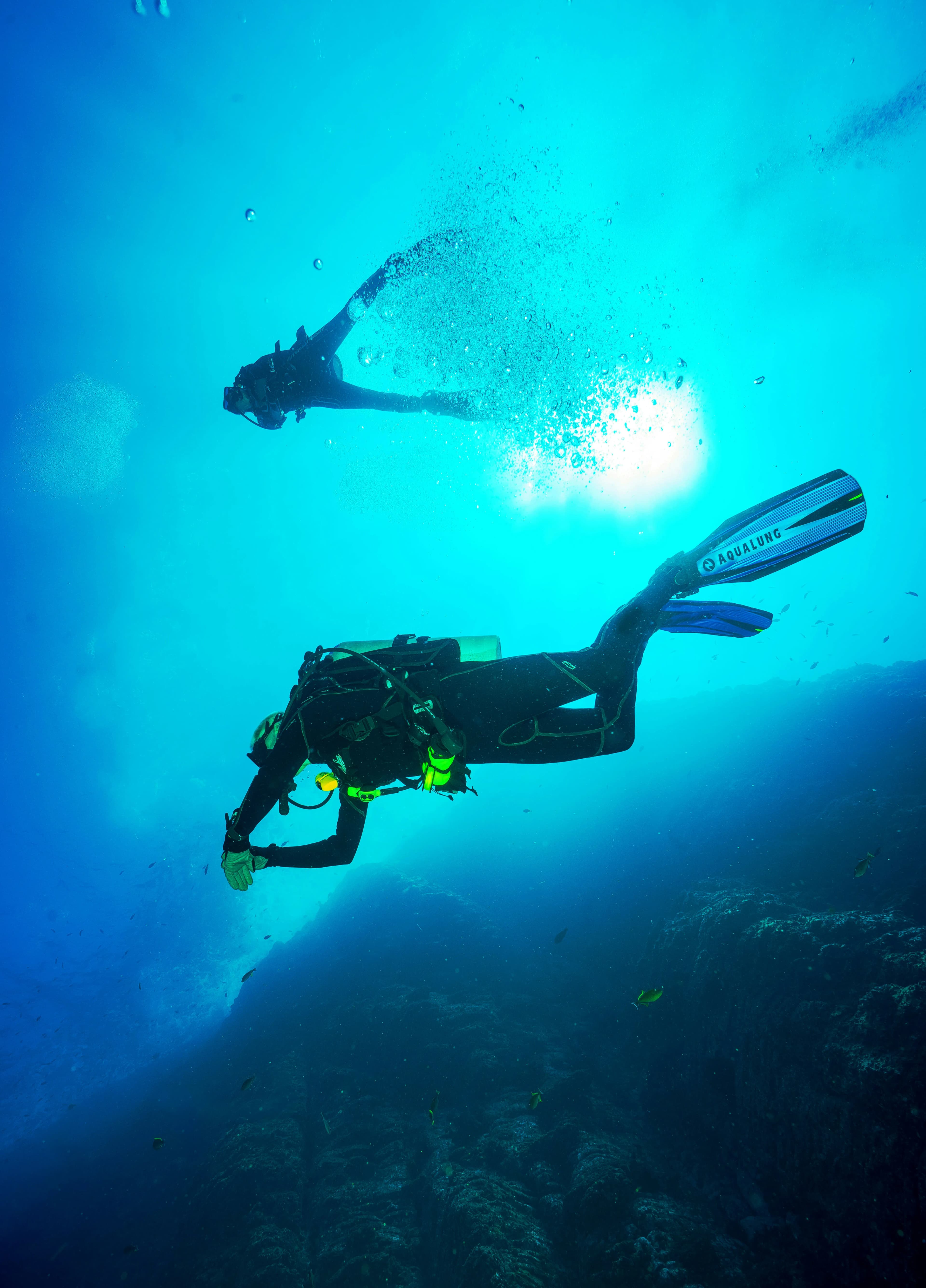
SCUBA DIVING & SNORKELING
Discover the vibrant underwater world of Sri Lanka's coral reefs and historic shipwrecks. Dive sites at Pigeon Island, Bar Reef, Hikkaduwa, and Trincomalee offer extraordinary encounters with colourful reef fish, sea turtles, rays, and rare marine life in crystal-clear tropical waters.
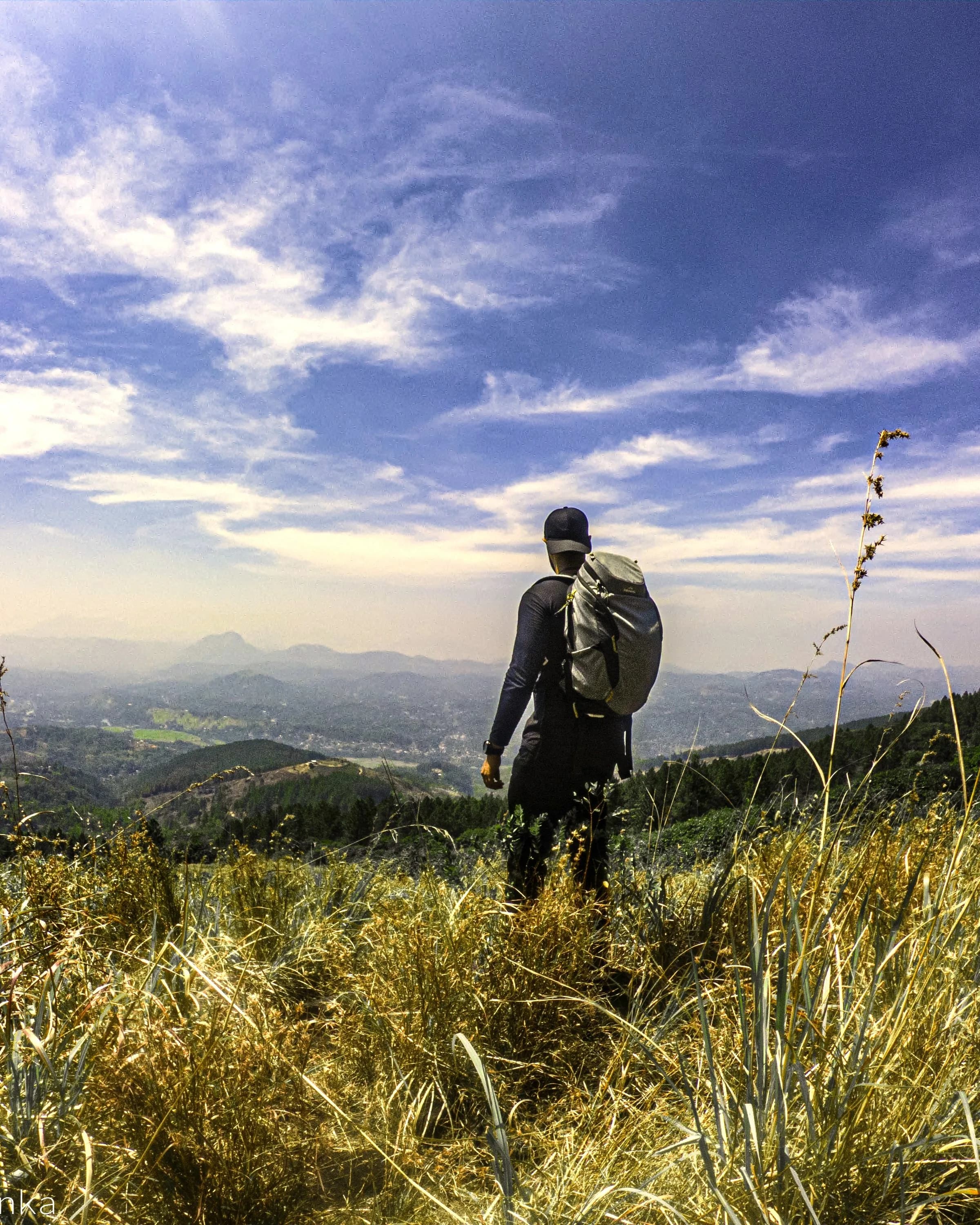
HIKING & NATURE TRAILS
Trek through Sri Lanka's stunning highland landscapes and jungle trails. Hike to the summit of Ella Rock, Sri Pada (Adam's Peak), Knuckles Mountain Range, and World's End — rewarding trails leading to dramatic viewpoints, hidden waterfalls, and breathtaking panoramic vistas.
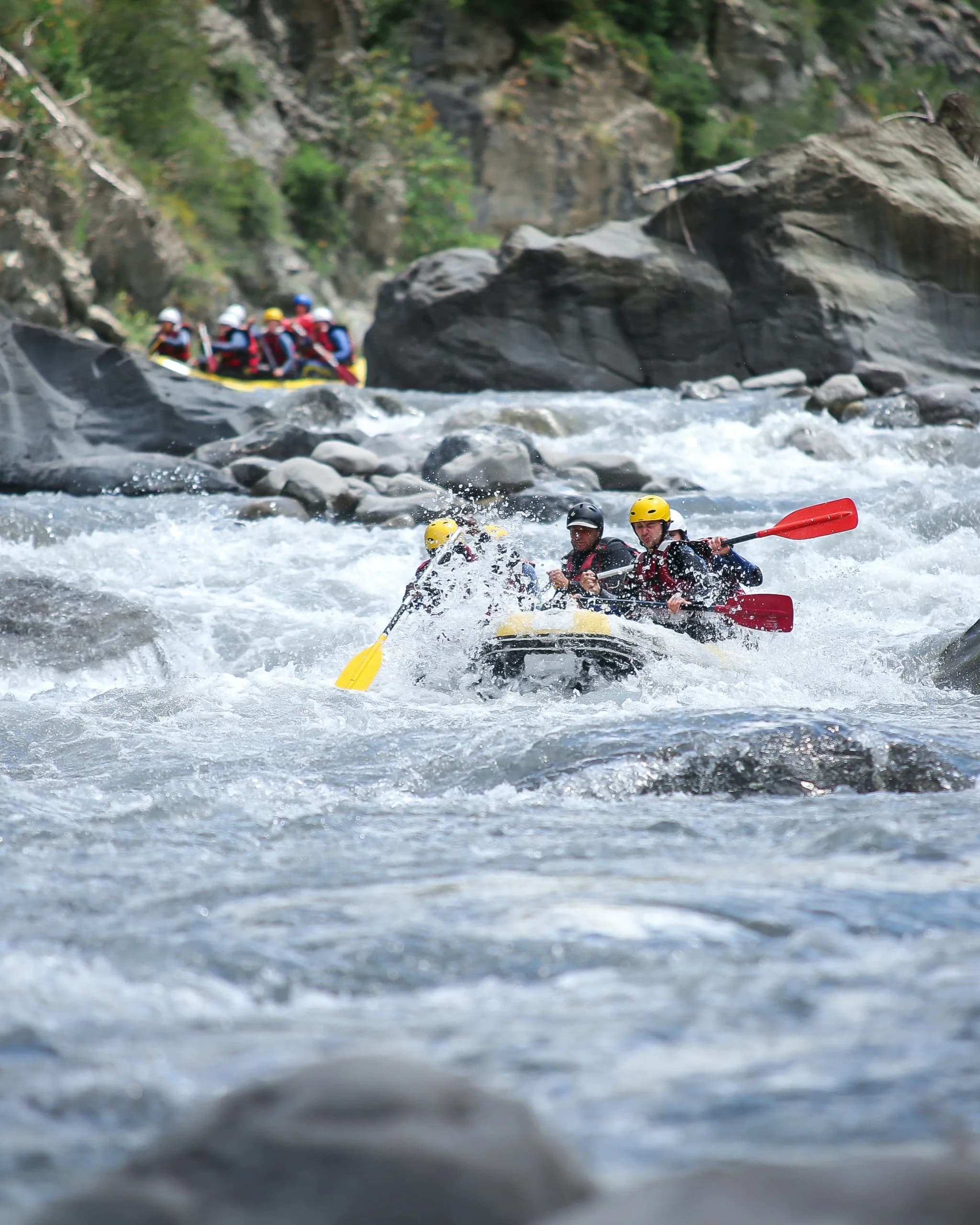
WHITE WATER RAFTING
Experience the adrenaline rush of white water rafting on Sri Lanka's Kelani and Mahaweli rivers. The rapids near Kitulgala offer exhilarating Grade III and IV whitewater challenges surrounded by lush tropical rainforest — one of the island's most thrilling adventure activities.
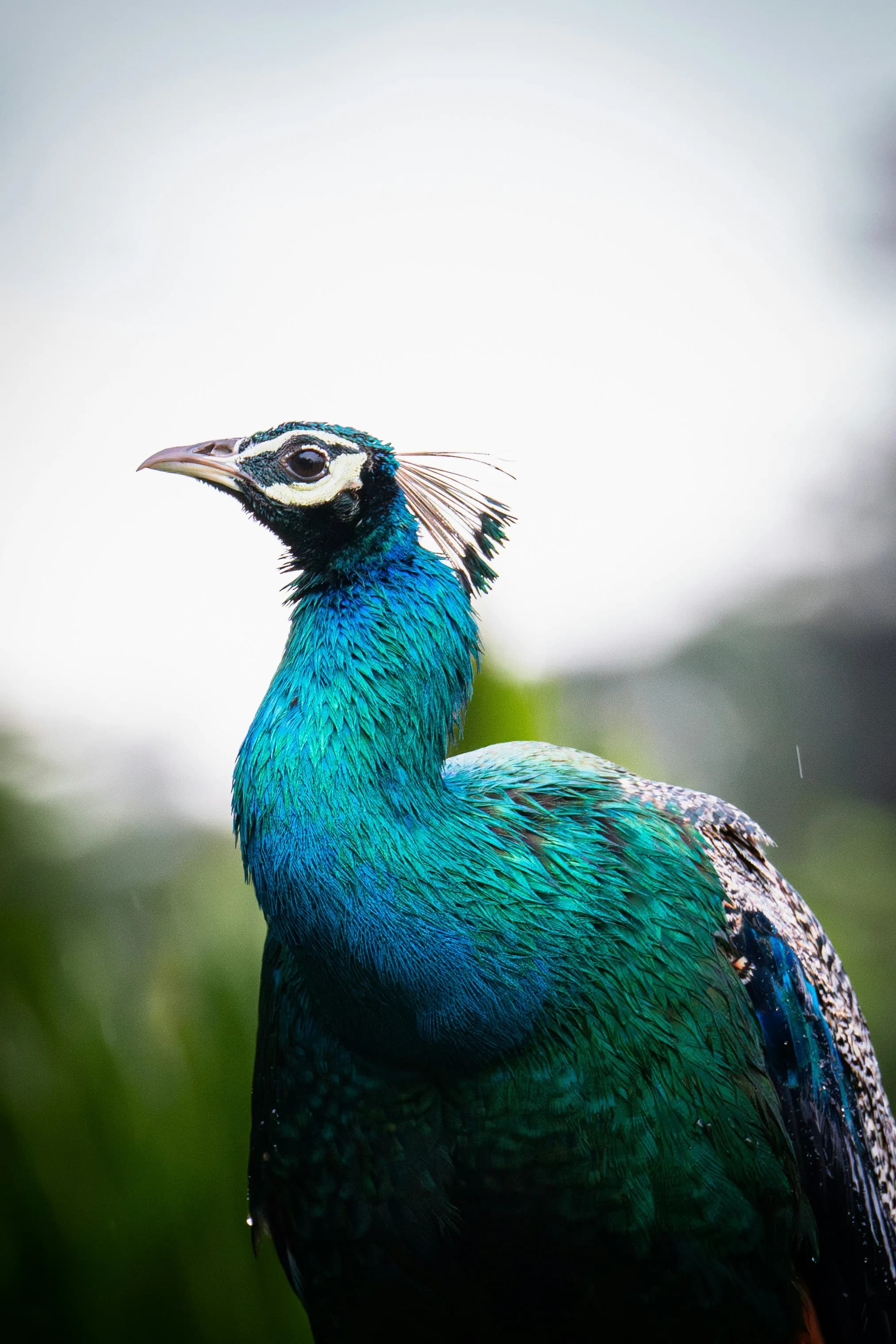
BIRD WATCHING
Sri Lanka is a world-class birdwatching destination with over 430 recorded species including 33 endemic birds. Sinharaja Rainforest, Bundala National Park, Victoria Reservoir, and Kumana offer exceptional birding experiences attracting enthusiasts from around the globe.
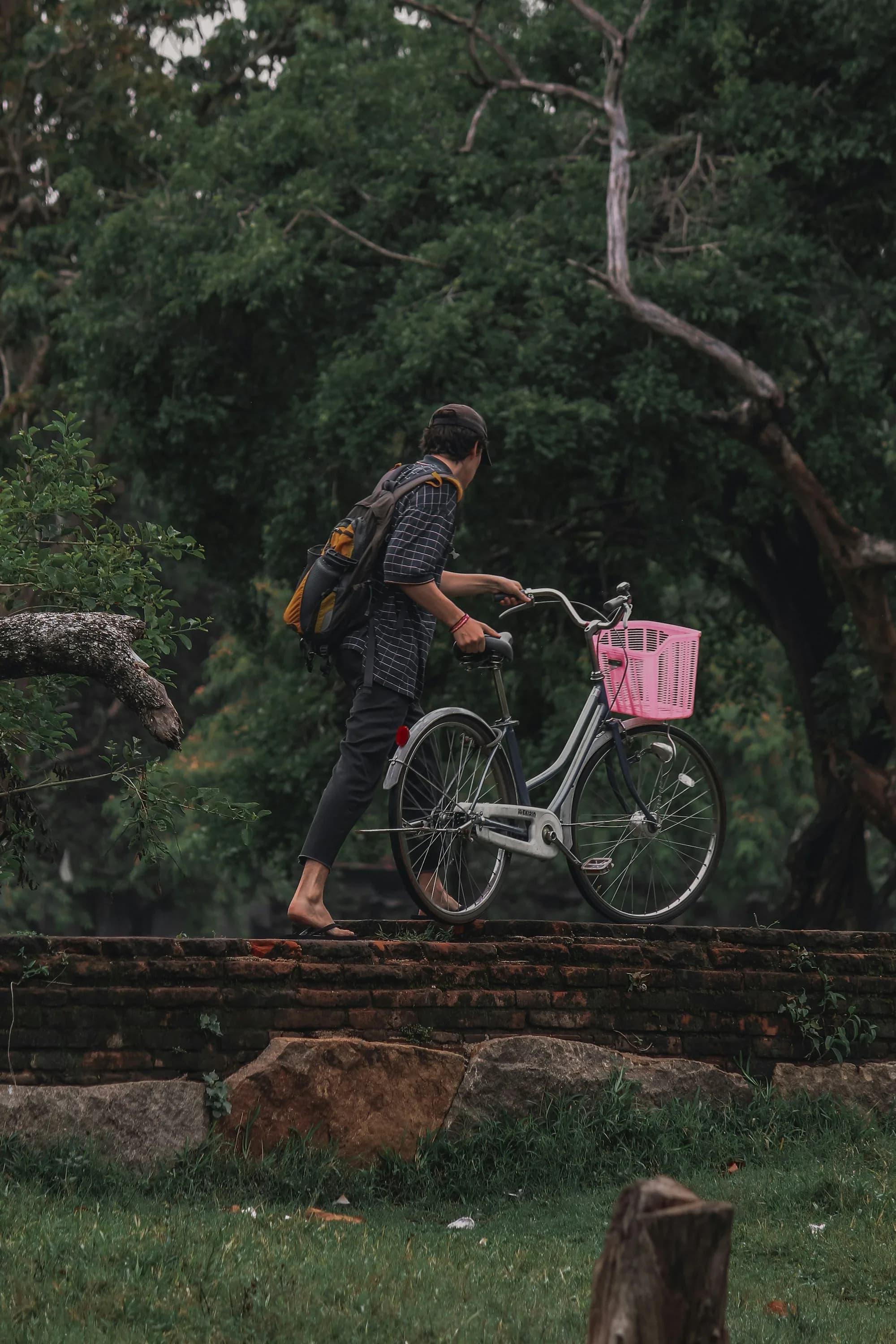
CYCLING TOURS
Explore Sri Lanka's diverse landscapes on two wheels through scenic cycling tours. Pedal through ancient cultural triangle ruins, rural village countryside, coastal roads, and lush paddy fields — immersive eco-friendly experiences that reveal the authentic beauty of the island at a personal pace.
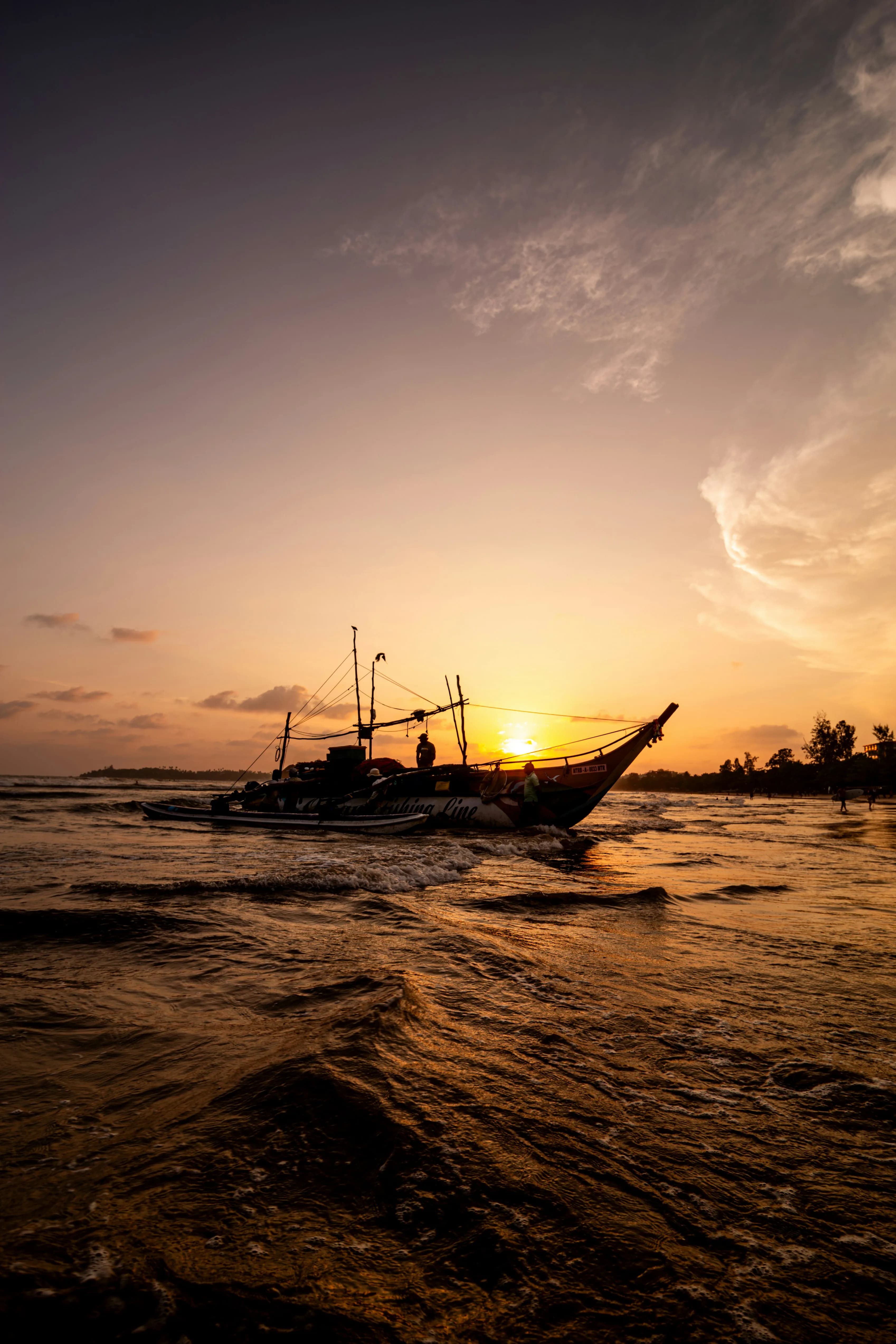
FISHING TRIPS
Cast your line on memorable fishing excursions along Sri Lanka's coastline and inland waterways. Deep-sea fishing off Hikkaduwa and Mirissa offers marlin, tuna, and sailfish, while the iconic stilt fishing tradition at Koggala provides a uniquely cultural Sri Lankan experience.
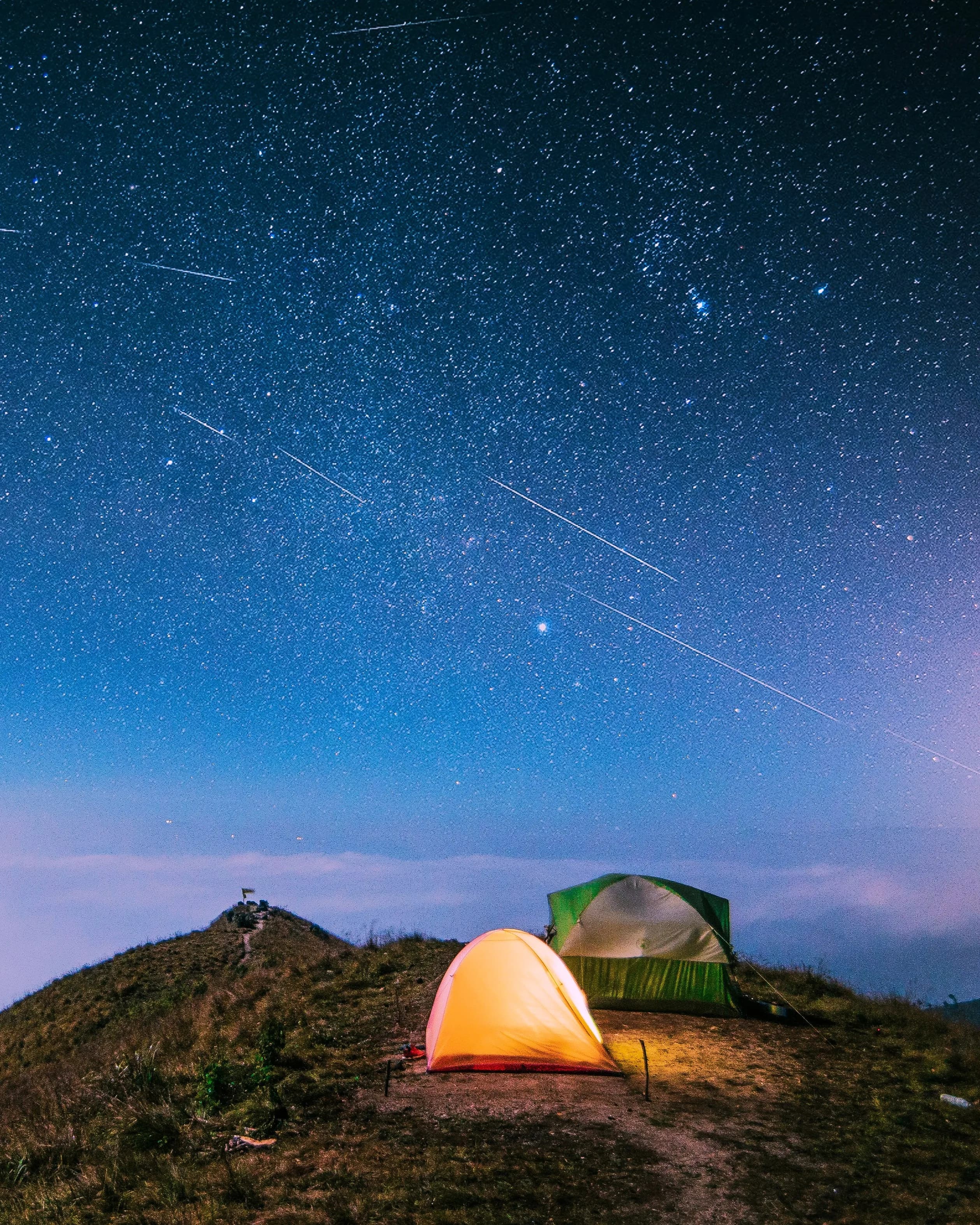
CAMPING
Sleep under the stars in Sri Lanka's most stunning natural settings. Camp on the Horton Plains, beside jungle streams in Knuckles, near wildlife-rich national parks, or along pristine beaches — immersive overnight experiences that connect you deeply with the island's extraordinary natural environment.
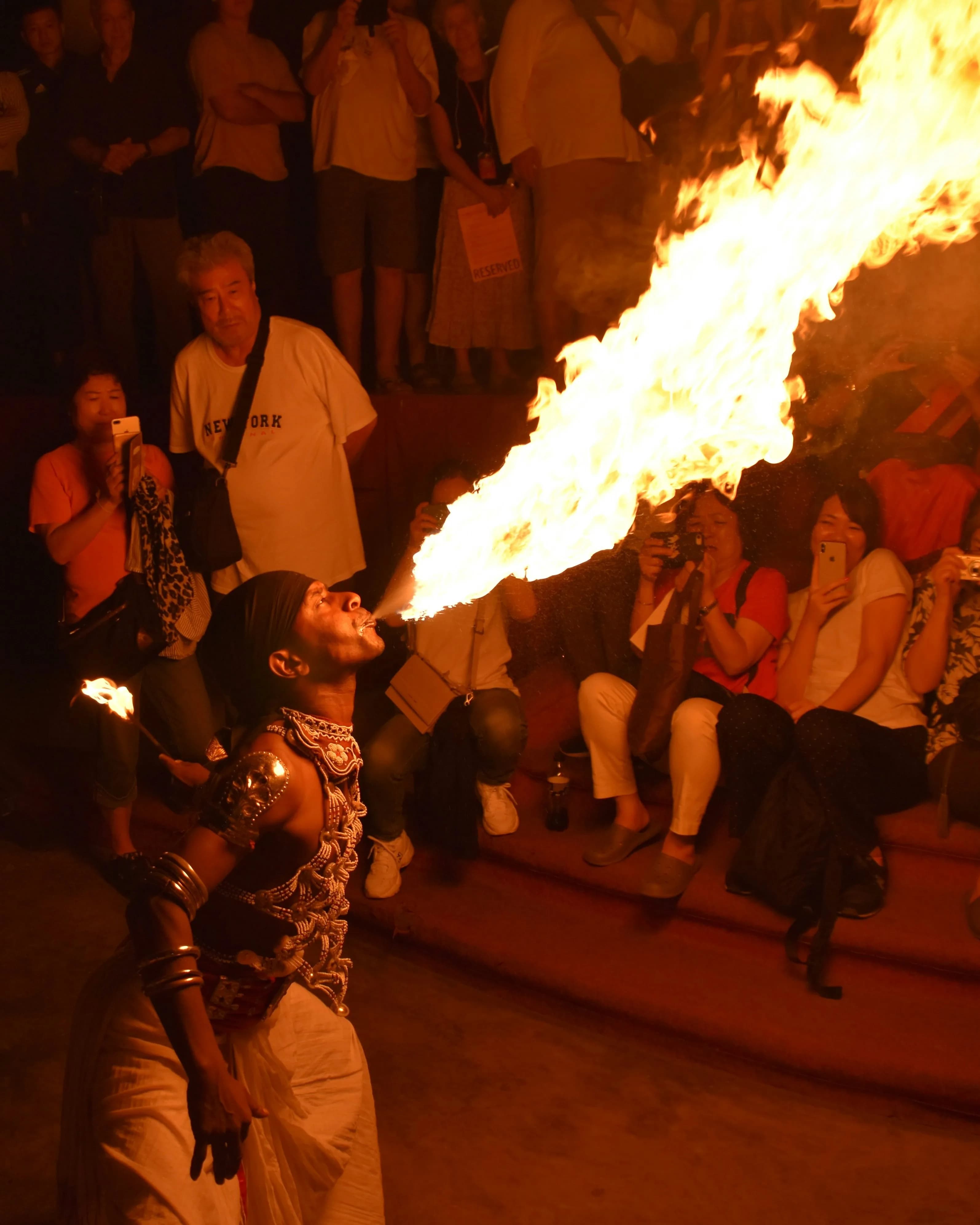
CULTURAL FESTIVALS & EVENTS
Immerse yourself in the vibrant colour and tradition of Sri Lanka's cultural festivals. The Kandy Esala Perahera, Vesak Poya celebrations, Duruthu Perahera, and colourful Hindu Kovil festivals offer extraordinary spectacles of music, dance, illuminated processions, and centuries-old ritual traditions.
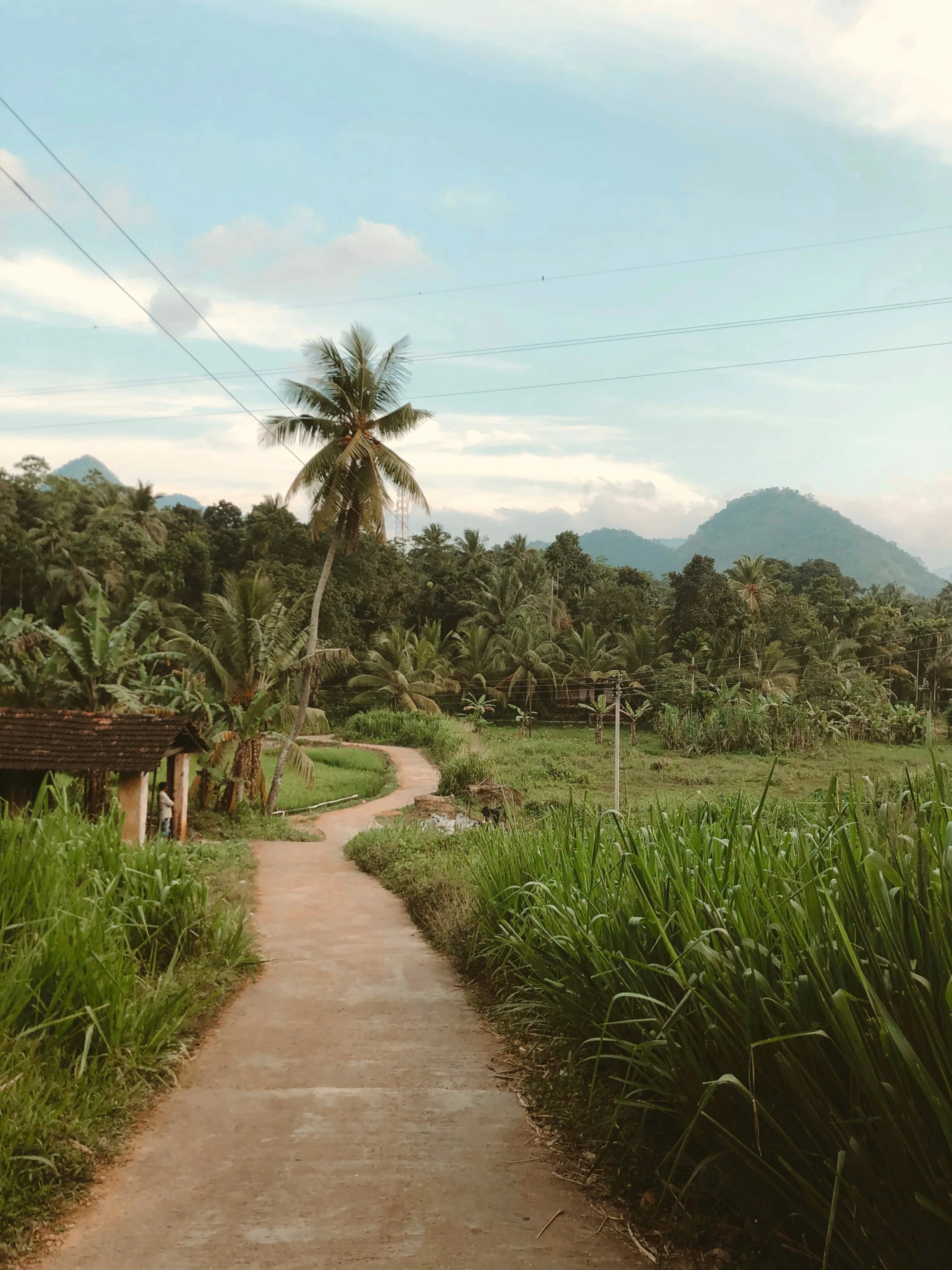
VILLAGE EXPERIENCES
Discover authentic rural Sri Lanka through immersive village experiences. Visit traditional farming communities, join local families for home-cooked meals, observe age-old crafts like pottery and weaving, and experience the warm hospitality of the island's countryside — a genuine window into Sri Lankan life.
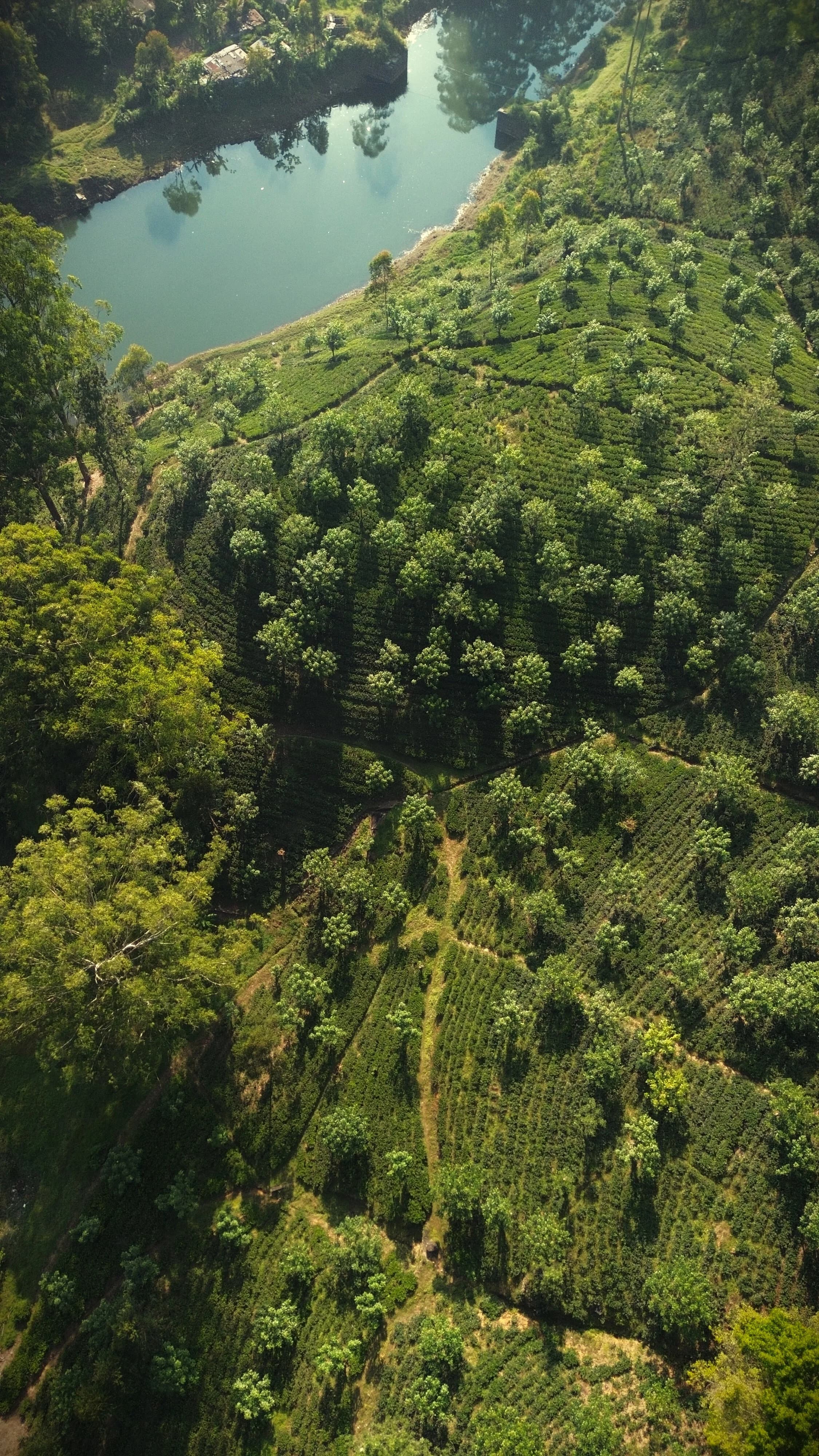
TEA ESTATE TOURS
Go behind the scenes of Sri Lanka's world-famous Ceylon Tea industry with guided estate tours. Walk the tea fields alongside pickers, tour historic factories, learn the production process from leaf to cup, and sample fresh brews at historic plantation bungalows in the cool highlands.
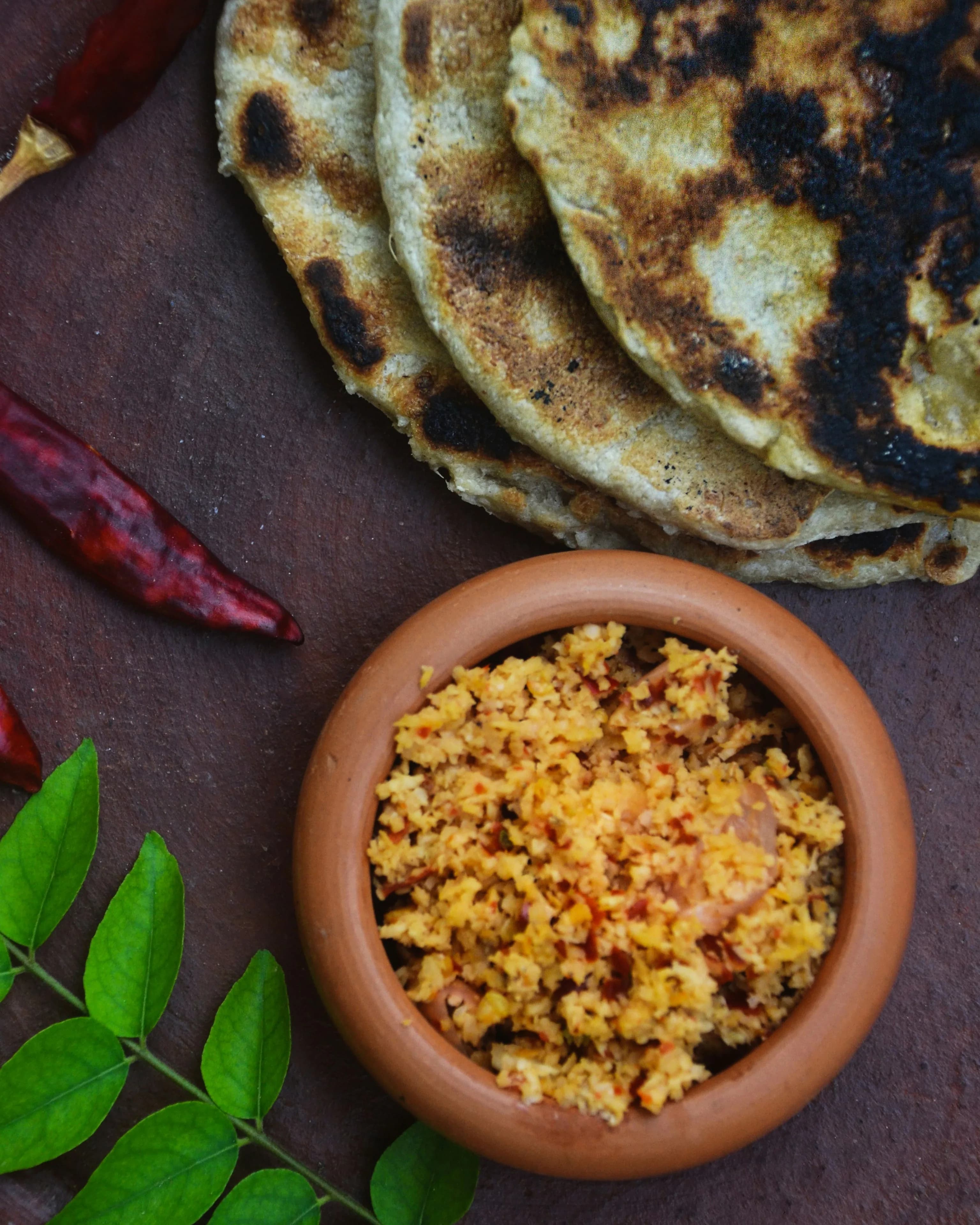
FOOD & CULINARY EXPERIENCES
Savour the bold and aromatic flavours of authentic Sri Lankan cuisine on food tours and culinary journeys. From spicy rice and curry spreads and fresh coastal seafood to street food markets in Colombo — every meal celebrates the island's rich culinary heritage and tropical ingredients.
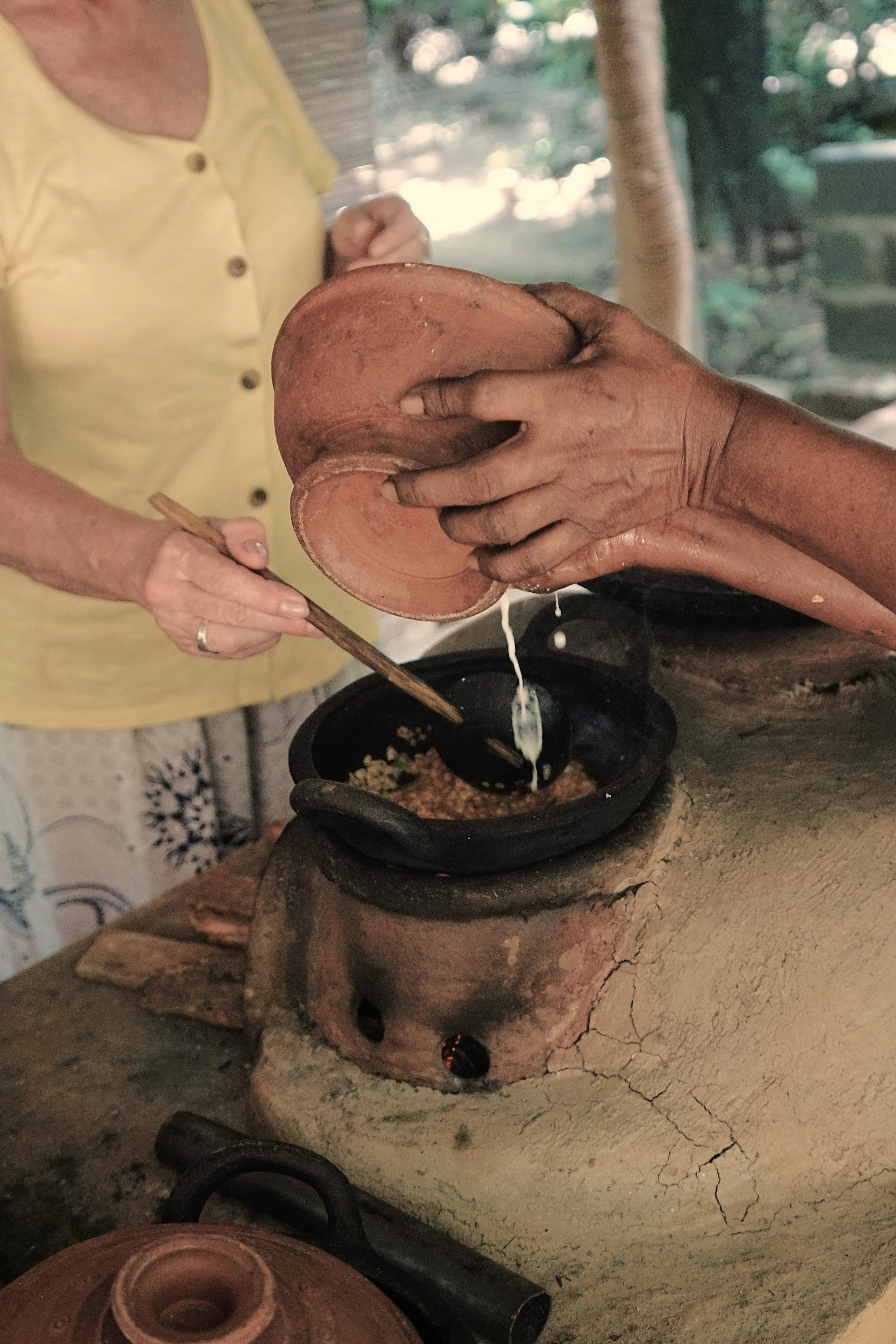
COOKING CLASSES
Learn to prepare authentic Sri Lankan dishes with hands-on cooking classes led by local chefs and home cooks. Master the art of curry pastes, coconut gravies, hoppers, and kottu — taking home skills and recipes to recreate the unforgettable flavours of Sri Lanka long after your journey ends.
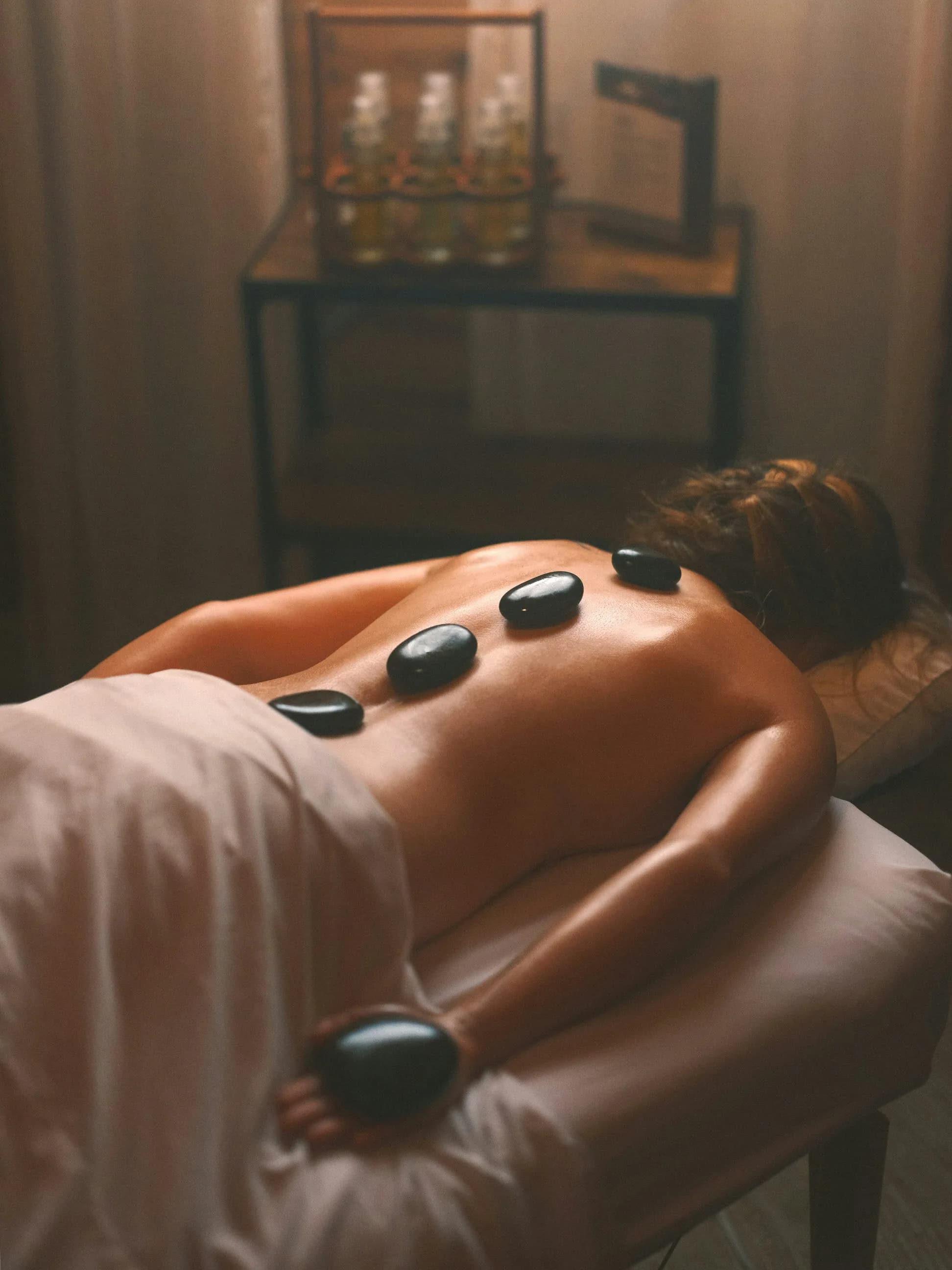
AYURVEDA & WELLNESS TREATMENTS
Rejuvenate mind, body, and spirit with traditional Ayurvedic wellness treatments at Sri Lanka's renowned retreat centres. From therapeutic herbal oil massages and Shirodhara treatments to personalised detox programmes, the island offers authentic healing rooted in thousands of years of ancient wisdom.

YOGA RETREATS
Find inner peace at Sri Lanka's serene yoga retreats set amid breathtaking natural landscapes. Practice sunrise yoga overlooking misty mountains in Ella, meditate beside the ocean in Mirissa, or join immersive residential retreats blending yoga, meditation, Ayurveda, and mindful living in paradise.
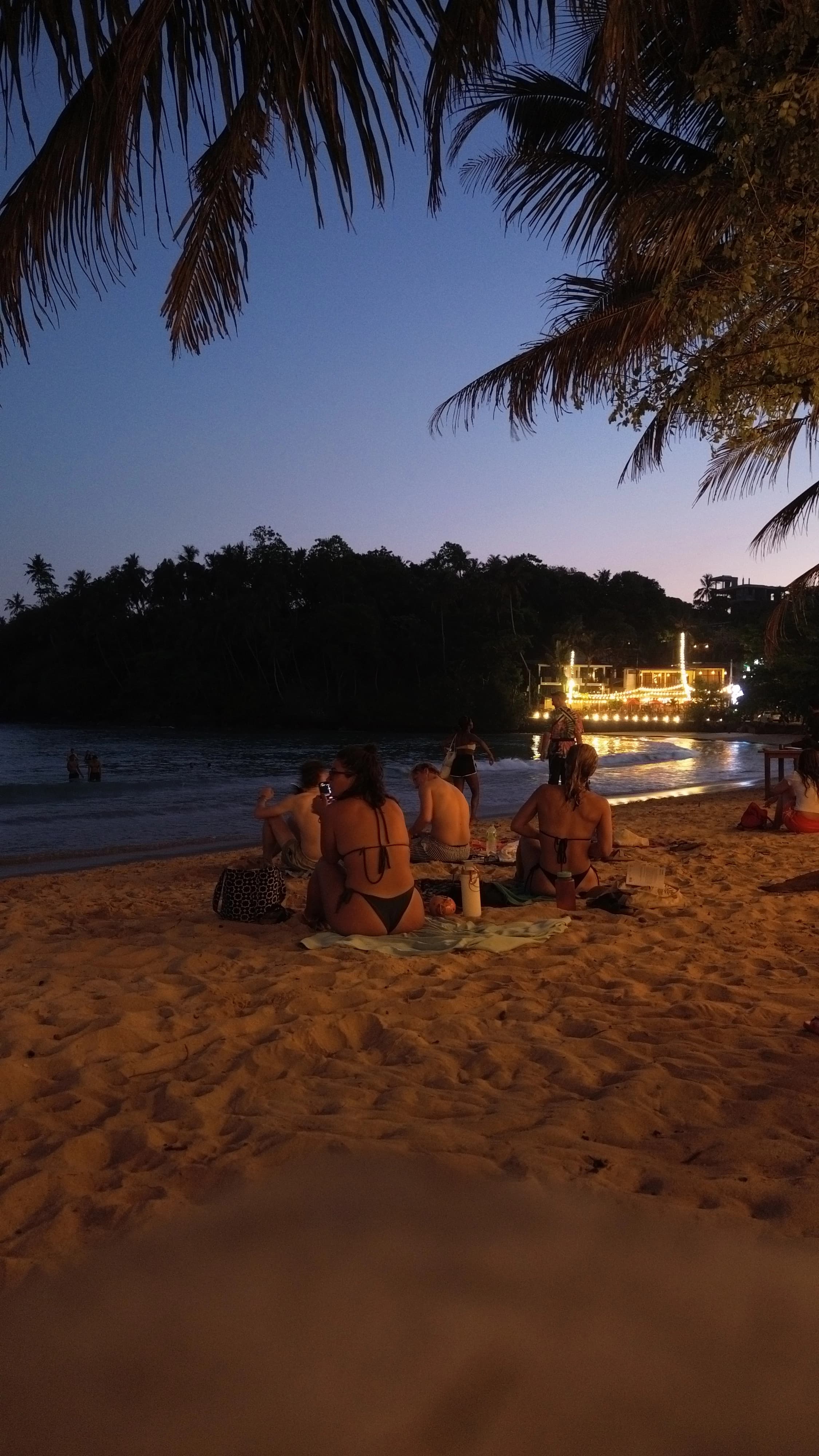
NIGHTLIFE & ENTERTAINMENT
Experience Sri Lanka's vibrant nightlife and entertainment scene. Colombo's cosmopolitan bars, rooftop lounges, live music venues, and beach clubs in Hikkaduwa and Arugam Bay offer lively after-dark experiences from cocktails with ocean views to energetic live performances and cultural shows.
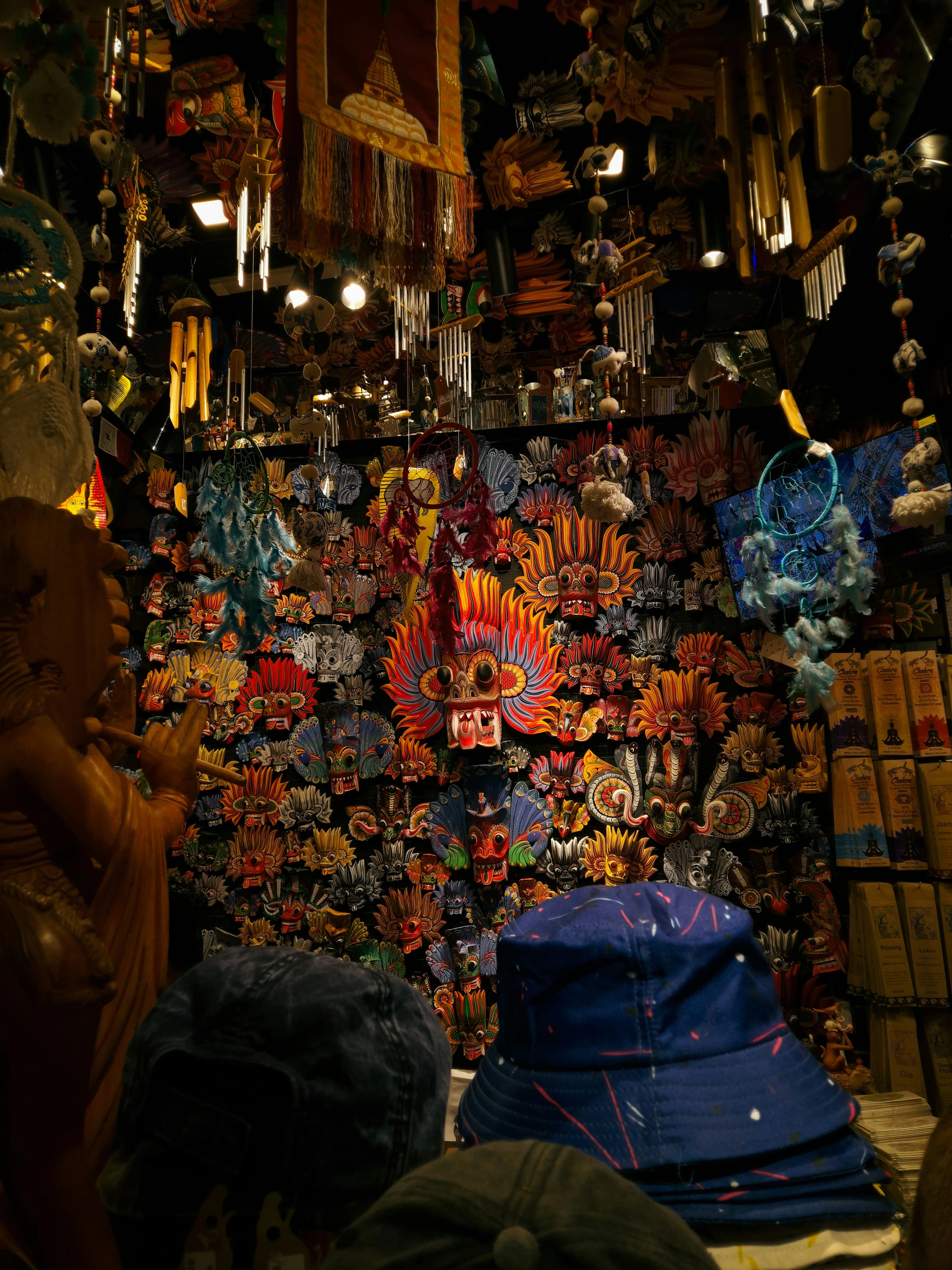
SHOPPING & SOUVENIR HUNTING
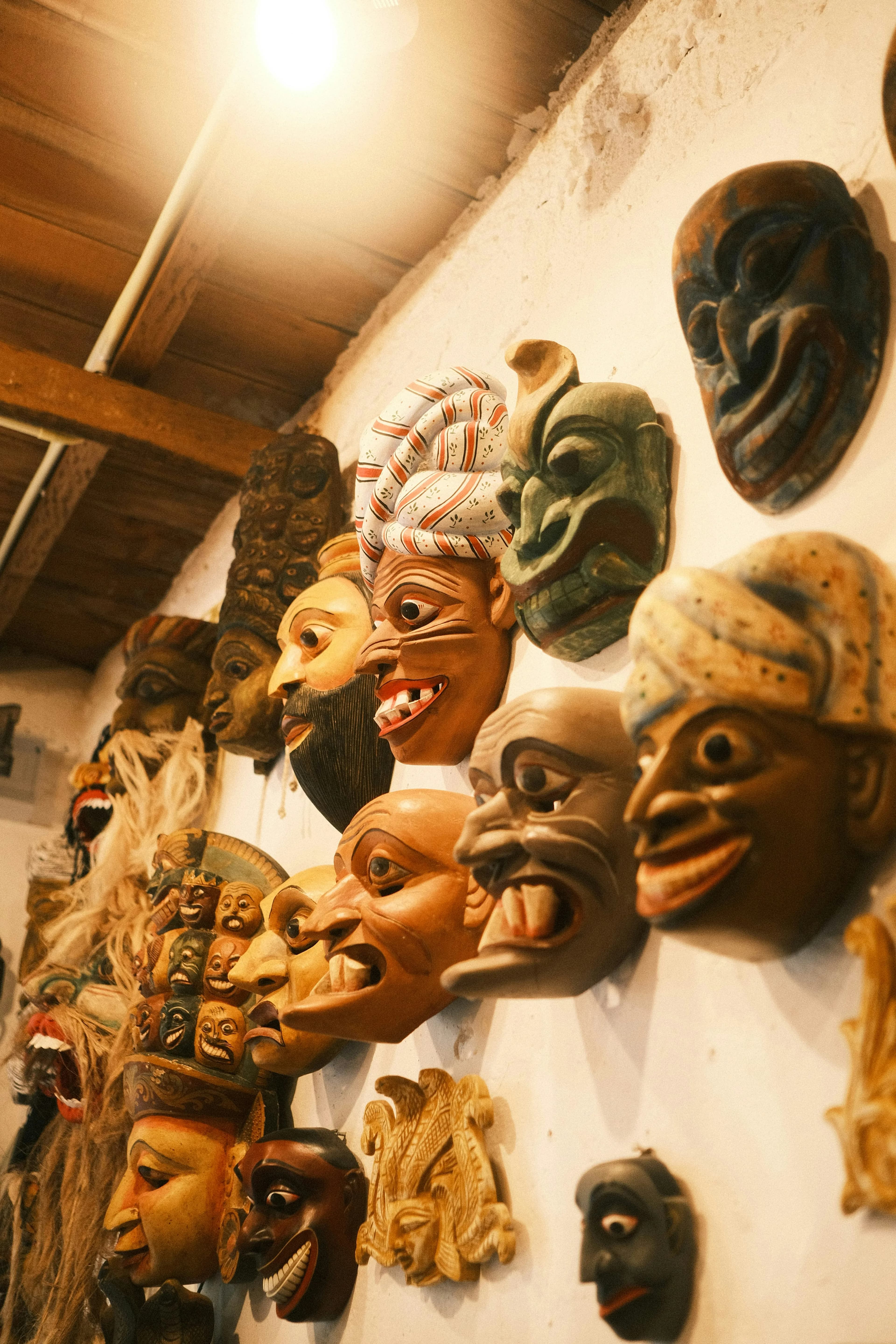
Explore vibrant markets, artisan workshops, and stylish shopping districts across Sri Lanka. Shop for world-renowned Ceylon Tea, precious gemstones, spices, batik clothing, handcrafted wooden masks, jewellery, and authentic local souvenirs. From bustling city malls in Colombo to traditional craft centres and street markets, shopping in Sri Lanka offers a unique blend of culture, craftsmanship, and discovery.
TRANSPORTATION
Sri Lanka offers a rich variety of transportation options to suit every travel style and budget. From the vibrant local bus network and iconic tuk-tuks weaving through coastal towns, to comfortable private drivers navigating ancient cultural sites and scenic highland train journeys through misty tea estates — getting around the island is an experience in itself. Understanding Sri Lanka's transport options helps you plan smarter itineraries, save time between destinations, and discover the island at your own pace.
Public Bus
Sri Lanka's public bus network is the most widely available and affordable way to travel across the island. Intercity and local services connect every town and village, making it ideal for budget-conscious travellers eager to experience authentic local life.
Tuk-Tuk
The iconic three-wheeler tuk-tuk is found almost everywhere in Sri Lanka — from bustling city streets to quiet coastal towns. Perfect for short hops, sightseeing, and navigating narrow lanes where larger vehicles cannot reach.
Private Driver
Hiring a private driver with an air-conditioned vehicle is the most comfortable and flexible way to explore Sri Lanka. Knowledgeable local drivers can be arranged island-wide, offering personalised itineraries and door-to-door service.
Taxi
Metered and app-based taxis are widely available in Colombo and major tourist cities. They offer a reliable and comfortable option for airport transfers, city travel, and trips between popular destinations.
Expressway Bus
Modern expressway coaches operate on Sri Lanka's Southern and Central Expressways, connecting Colombo to Galle, Hambantota, and Kandy in significantly reduced travel times — a comfortable upgrade from regular bus services.
Rental Car
Self-drive car rentals are available in Colombo and major tourist hubs. While driving in Sri Lanka requires confidence on narrow roads and busy traffic, it offers maximum freedom for travellers who prefer to set their own pace.
Scooter / Bike Rental
Scooter and motorbike rentals are popular in beach towns like Arugam Bay, Mirissa, and Ella. They are a fun and economical way to explore coastal roads and scenic hill country routes at your own leisure.
Ride-Hailing Apps
Apps such as PickMe and Uber are active in Colombo and growing tourist regions. They provide transparent, metered fares and the convenience of cashless travel — a reliable alternative to hailing a vehicle on the street.
Self-Drive Tuk-Tuk
Renting and driving your own tuk-tuk is a unique adventure gaining popularity among independent travellers. Available at select locations, it offers a quirky and memorable way to navigate Sri Lankan roads on a self-guided tour.
Train
Sri Lanka's scenic railway network connects key destinations including Colombo, Kandy, Ella, and Jaffna. The highland route from Kandy to Ella is among the world's most beautiful train journeys, passing through misty mountains and tea estates.
Domestic Flights
Limited domestic flight services operate between Colombo and Jaffna, offering the fastest way to reach the north of the island. Charter seaplane services also provide scenic transfers to select coastal and island resorts.
Ferry
Ferry services in Sri Lanka operate on select coastal and inland routes, including services to Mannar Island and scenic lagoon crossings. A seasonal ferry link to India from Talaimannar is also available on specific schedules.
ACCOMMODATION
Whether you're traveling on a budget, planning a romantic honeymoon, enjoying a family holiday, or seeking a luxury escape, Sri Lanka offers one of Asia's most diverse accommodation selections. From cozy family-run guest houses in rural villages to internationally renowned five-star beachfront resorts, there is a comfortable place to stay for every travel style and budget. Prices generally range from USD 10 for simple hostels to USD 500+ per night for exclusive luxury resorts and private villas, making Sri Lanka an excellent destination for travelers seeking outstanding value for money.
Accommodation Options in Sri Lanka
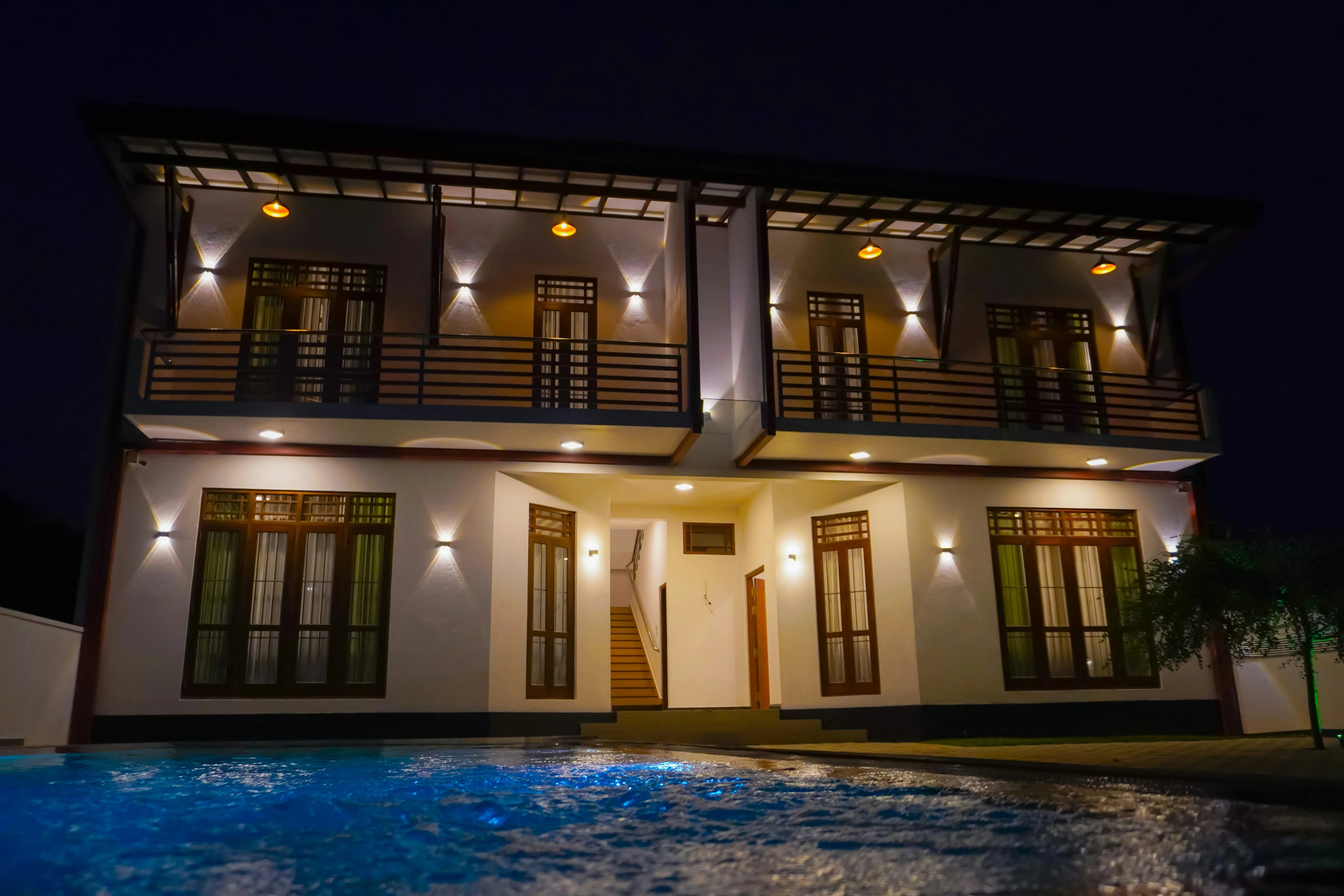
Budget Guest Houses & Homestays
USD 10 – 40 per night
Family-run guest houses and homestays across Ella, Kandy, Sigiriya, Mirissa, Arugam Bay, and Nuwara Eliya offer clean rooms, home-cooked meals, and warm local hospitality. Hosts often help arrange transport and tours — ideal for backpackers and budget-conscious travelers.
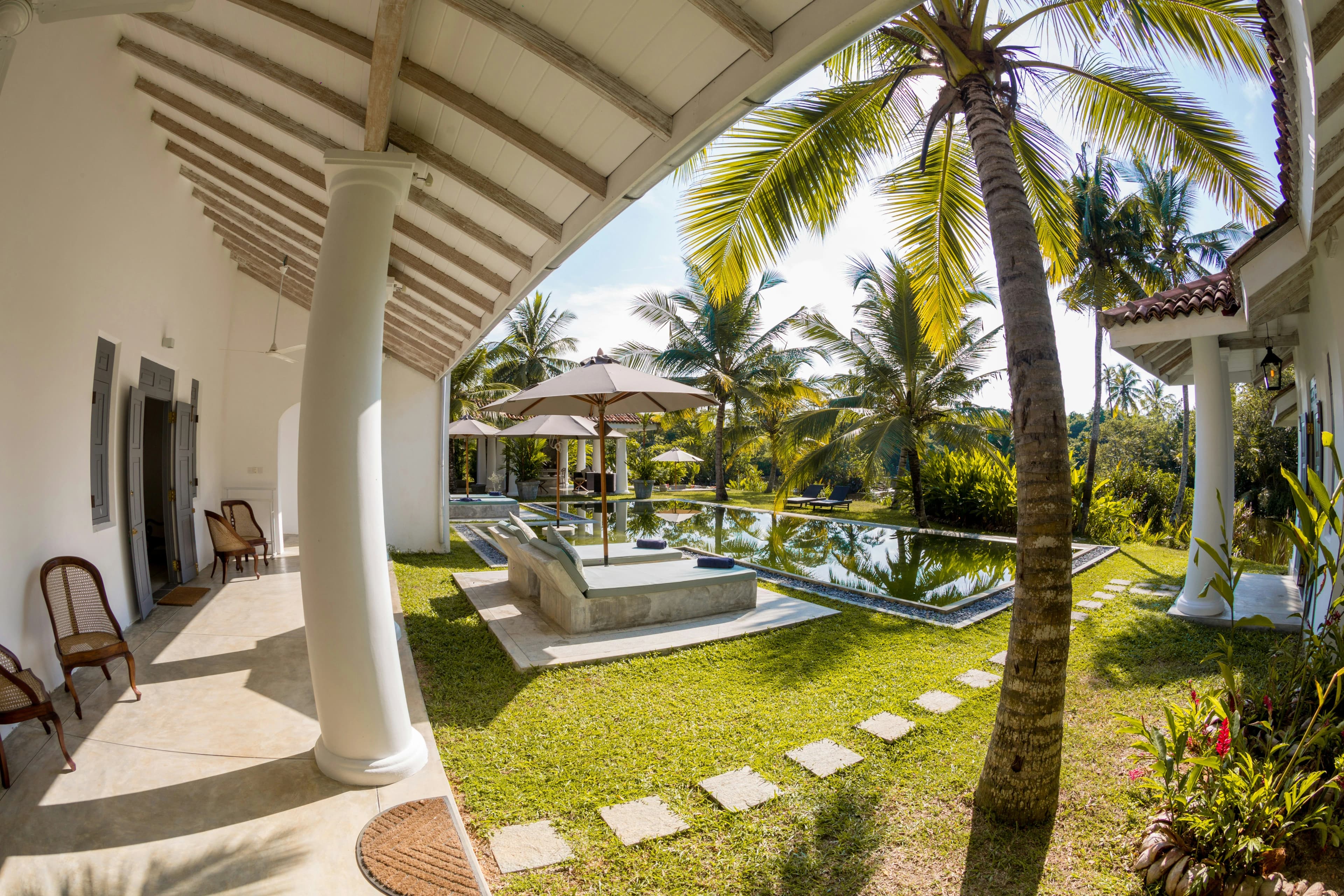
3-Star Hotels
USD 40 – 80 per night
Air-conditioned rooms, private bathrooms, on-site restaurants, and swimming pools deliver reliable comfort in popular towns, coastal areas, and cities — a dependable choice for families and couples who want more polish without the luxury price tag.
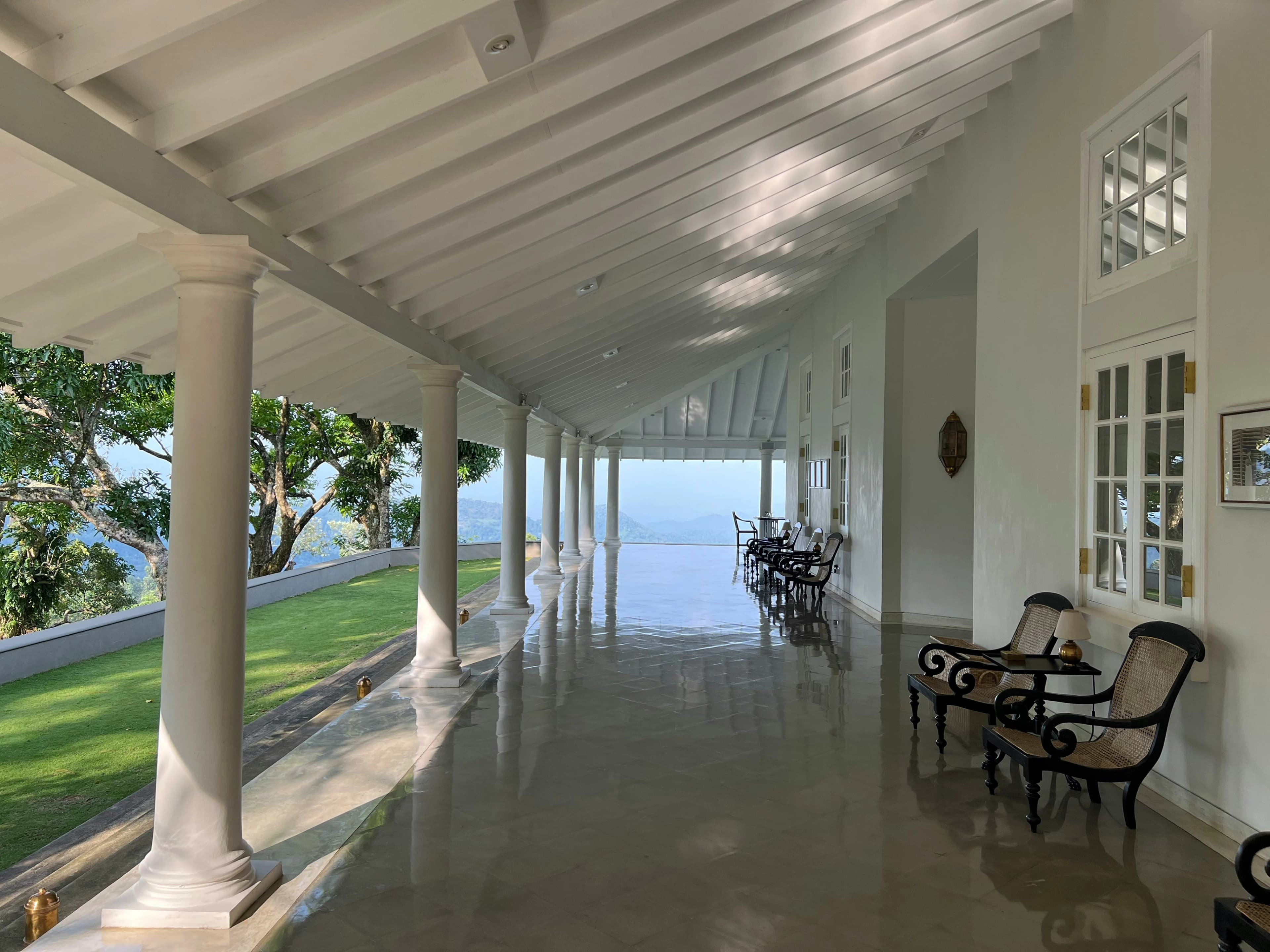
Boutique Hotels & Heritage Stays
USD 80 – 180 per night
Restored colonial mansions, tea estate bungalows, and plantation homes pair timeless architecture with personalized service, tranquil surroundings, and gourmet dining — a favorite with honeymooners seeking somewhere distinctive to stay.
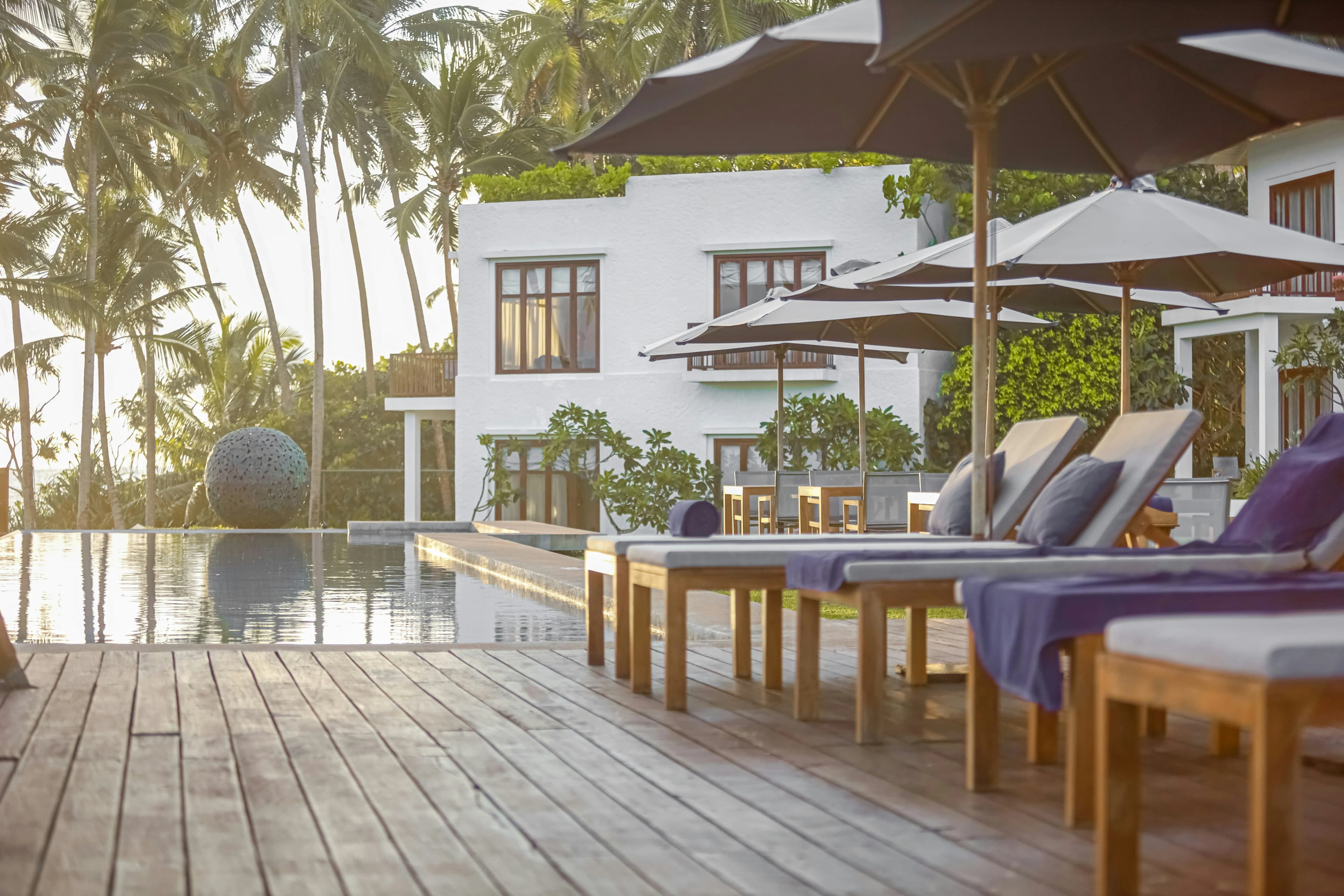
4-Star Hotels
USD 90 – 180 per night
Spacious rooms, multiple restaurants, spas, and fitness centers bring an upscale feel to beaches, tea-covered mountains, and city skylines alike — a strong fit for families and business travelers who want extra amenities.
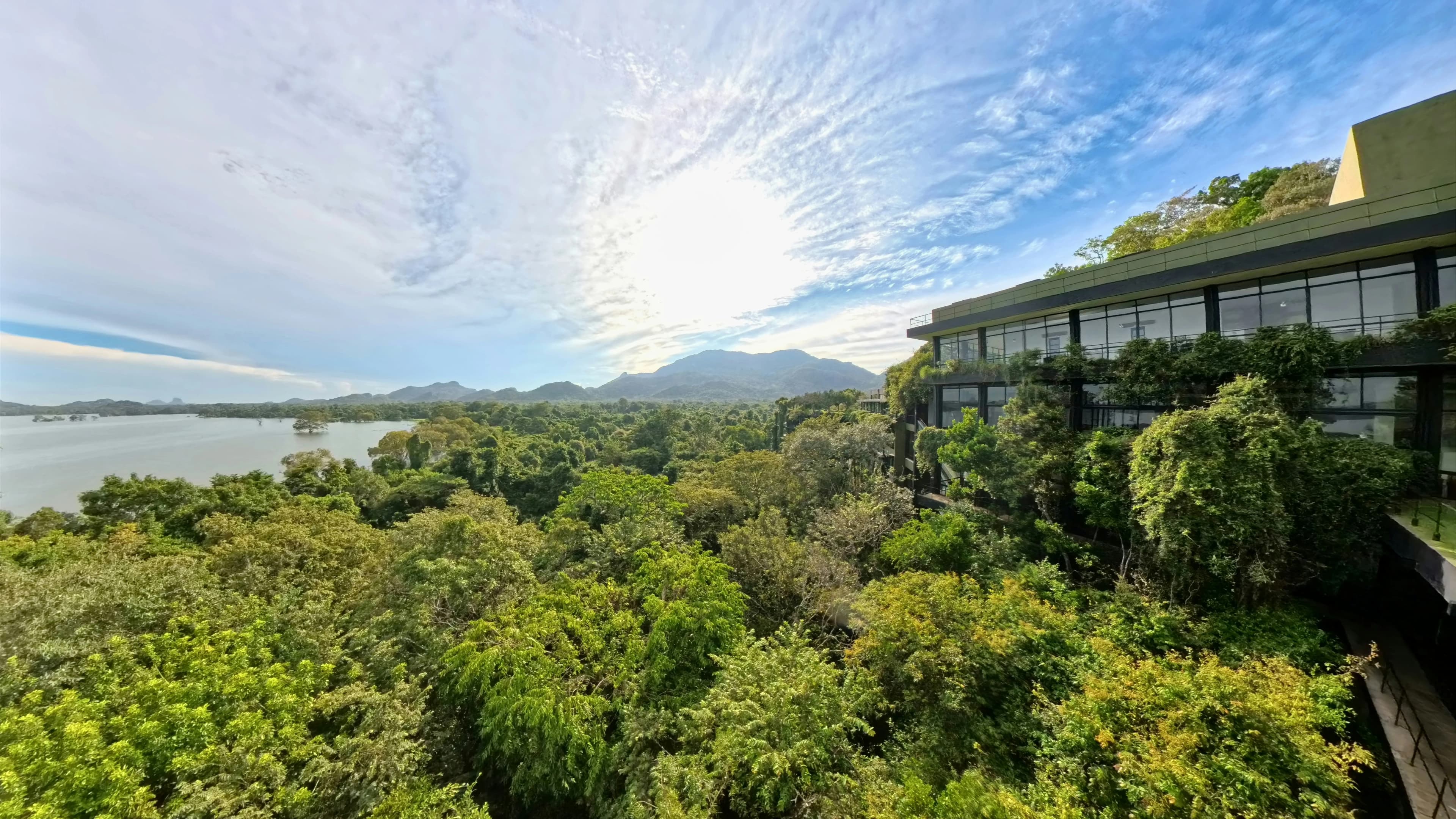
5-Star Luxury Resorts
USD 180 – 500+ per night
Beachfront suites, private villas, infinity pools, and award-winning restaurants rival the best in Asia, set beside pristine coastline, wildlife reserves, tea country, and Colombo's skyline — built for honeymoons and special celebrations.

Eco Lodges & Nature Retreats
USD 50 – 200 per night
Sustainably built lodges nestled in rainforests, tea plantations, and wildlife reserves blend into their surroundings while keeping modern comforts close — perfect for birdwatching, nature walks, and slower mornings.
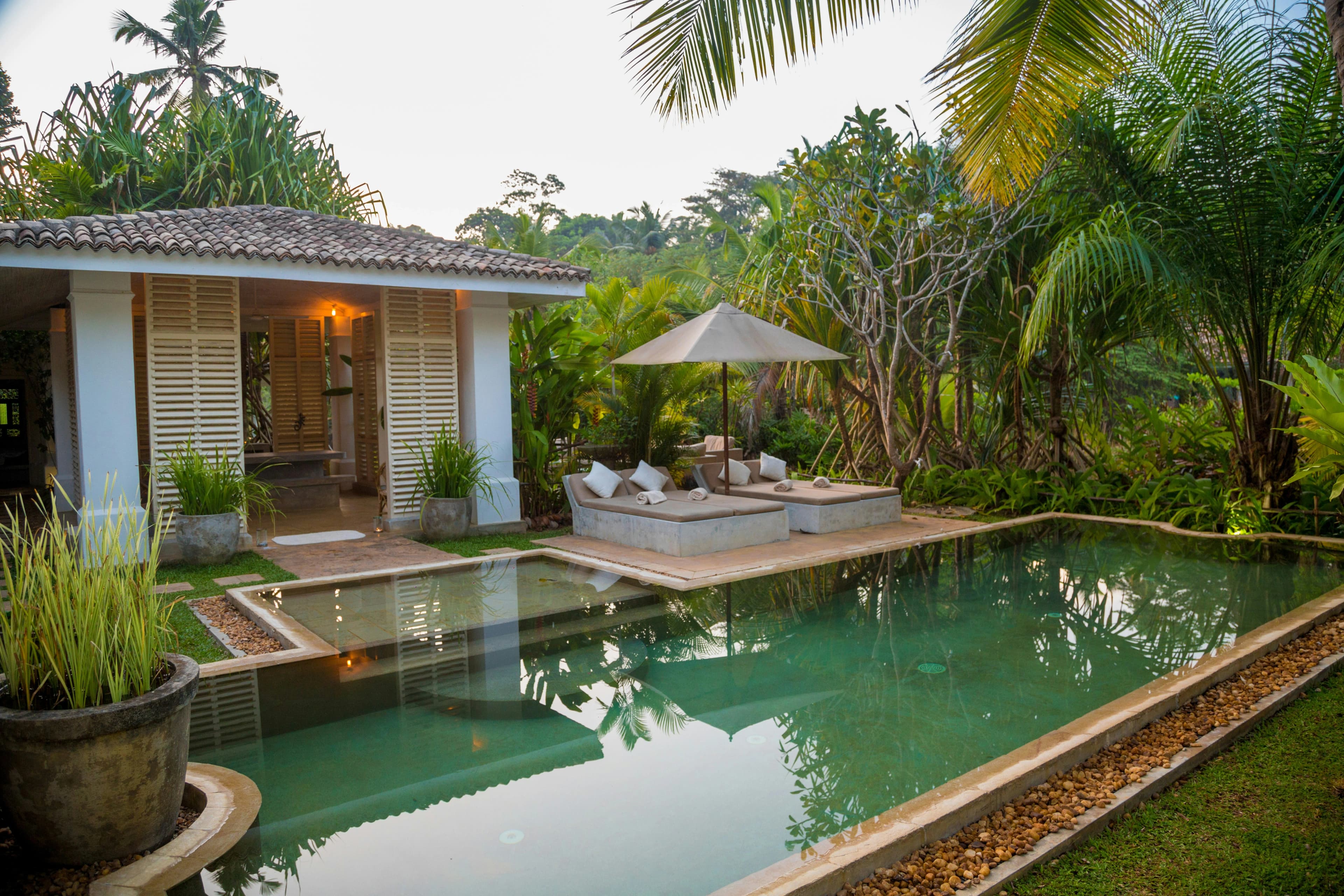
Private Villas & Serviced Apartments
USD 80 – 400+ per night
Fully equipped kitchens, multiple bedrooms, gardens, and private pools give families and groups room to spread out, particularly along the southern coastline and hill country — a flexible home away from home.
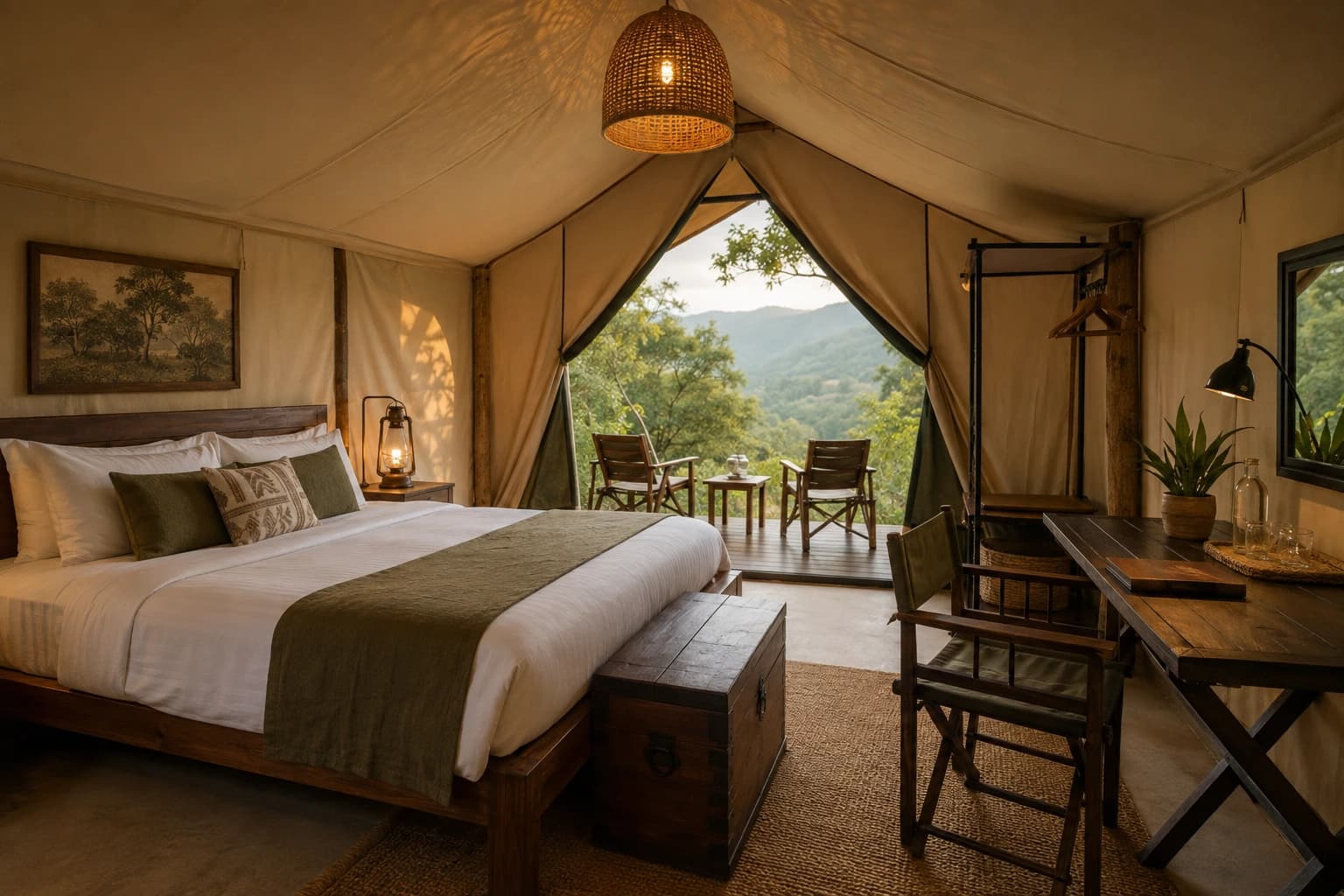
Cabanas & Glamping
USD 50 – 250+ per night
Private cabanas and luxury tents combine nature, privacy, and comfort, from peaceful beachside stays to safari-style camps near wildlife parks — ideal for couples, families, and adventure seekers.
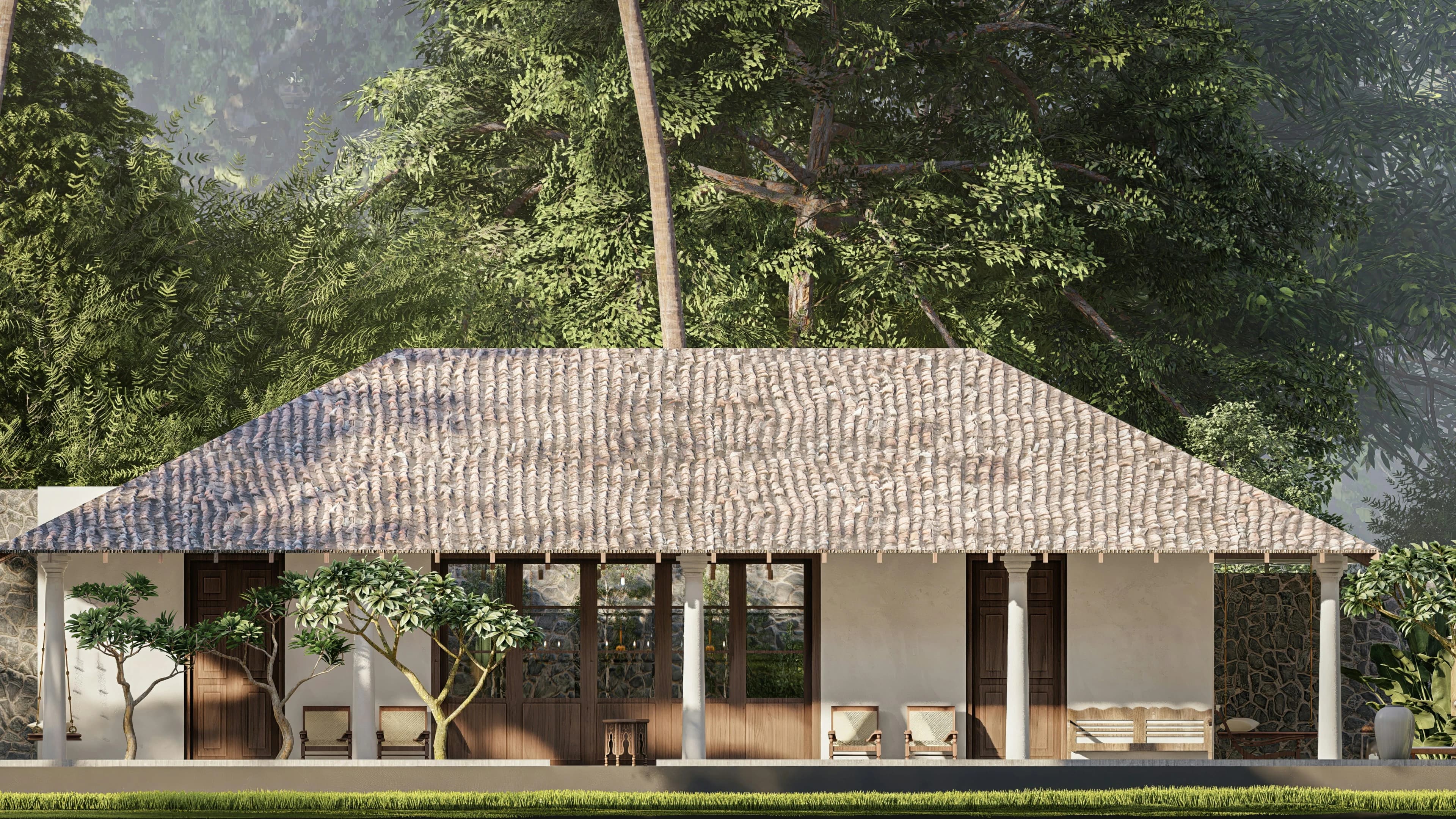
Heritage Bungalows
USD 70 – 250+ per night
Historic plantation homes surrounded by tea gardens and misty mountains offer traditional architecture, spacious rooms, and personalized hospitality — perfect for experiencing Sri Lanka's colonial heritage.
Quick Accommodation Tips
- Rates run lowest during shoulder seasons (May–June and September–November) and peak from December to April.
- Book boutique hotels, beach resorts, and luxury properties several weeks or months ahead, especially around holidays.
- Budgets stretch far — from USD 10 hostels to USD 500+ private villas — so there's an option at every price point.
- Expect genuine hospitality and consistently high standards of service, regardless of budget.
CURRENCY & PAYMENTS
Sri Lanka's official currency is the Sri Lankan Rupee (LKR). Foreign currencies such as USD, EUR, and GBP are not accepted for everyday purchases — you will need local rupees for most transactions. The safest approach is to carry a combination of cards and cash, exchange money only at licensed banks or authorized money changers, and always keep your receipts. Here is everything you need to know about handling money as a visitor to Sri Lanka.
Fetching live rates…
CARDS ACCEPTED
- Hotels & Resorts
- Tour Operators
- Shopping Malls
- Supermarkets
- Mid-range Restaurants
- Fuel Stations
CASH NEEDED
- Tuk-Tuks
- Street Food & Markets
- Small Guesthouses
- Local Cafés
- Rural Villages
- Entrance Tickets
DO
- Exchange money only at licensed banks or authorized money changers
- Carry both cards and local cash (LKR) at all times
- Keep all ATM and exchange receipts until you leave the island
- Choose LKR when a card terminal asks to charge in your home currency
- Notify your bank before travel to prevent international transaction blocks
- Use ATMs attached to major bank branches for the safest withdrawals
- Carry small notes for tuk-tuks, local markets, and rural areas
- Have a backup payment card in case your primary card is blocked or lost
DON'T
- Never exchange currency with street dealers or unofficial sources
- Don't rely entirely on cards — outages occur outside major cities
- Don't arrive without any local cash — you'll need it immediately for transport
- Don't carry excessive cash — use cards wherever they are accepted
- Don't discard exchange receipts — hotels may require proof of legal exchange
- Don't exchange large sums at the airport — rates are less competitive
- Don't assume Apple Pay or Google Pay will work — physical cards are essential
- Don't use isolated ATMs at night — use secure, bank-branch ATMs only
FOOD
Sri Lanka offers a rich culinary experience shaped by centuries of cultural influences and an abundance of fresh local ingredients. Rice and curry form the foundation of daily meals, accompanied by a variety of vegetables, seafood, meats, sambols, and aromatic spices. Travelers can enjoy everything from traditional village cuisine and street food to contemporary restaurants and international dining options.
What Travelers Should Know About Sri Lankan Food
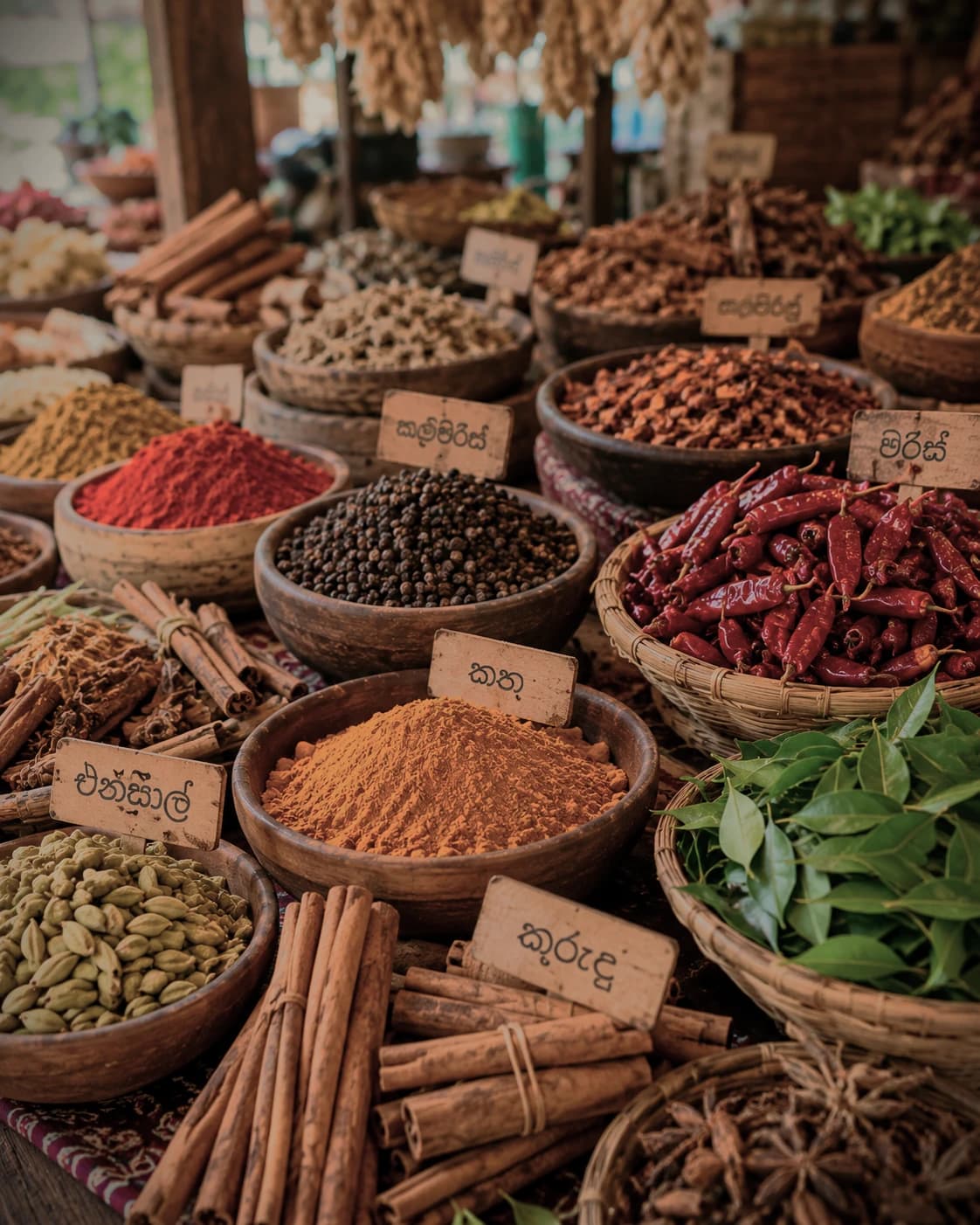
Expect Bold Flavors and Spices
Sri Lankan cuisine is known for its rich flavors, fragrant spices, and coconut-based dishes. While many local foods are mildly spiced, some traditional curries and sambols can be quite hot by international standards. If you prefer less spice, simply ask for "less spicy" when ordering.
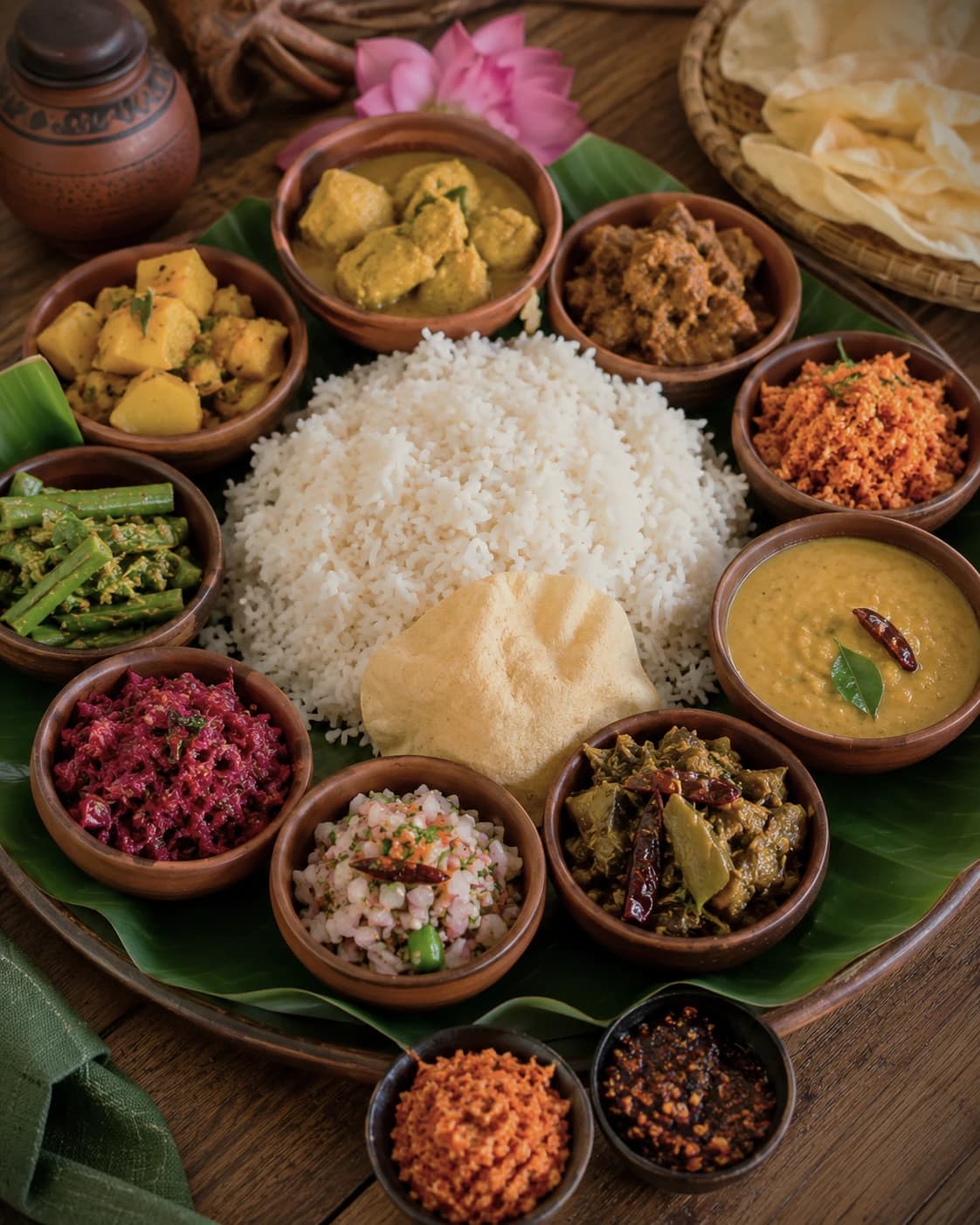
Rice and Curry Is More Than One Dish
Unlike a single curry meal found elsewhere, a Sri Lankan rice and curry typically includes rice served with several curries, vegetables, sambols, and optional meat or seafood, creating a diverse and flavorful dining experience.
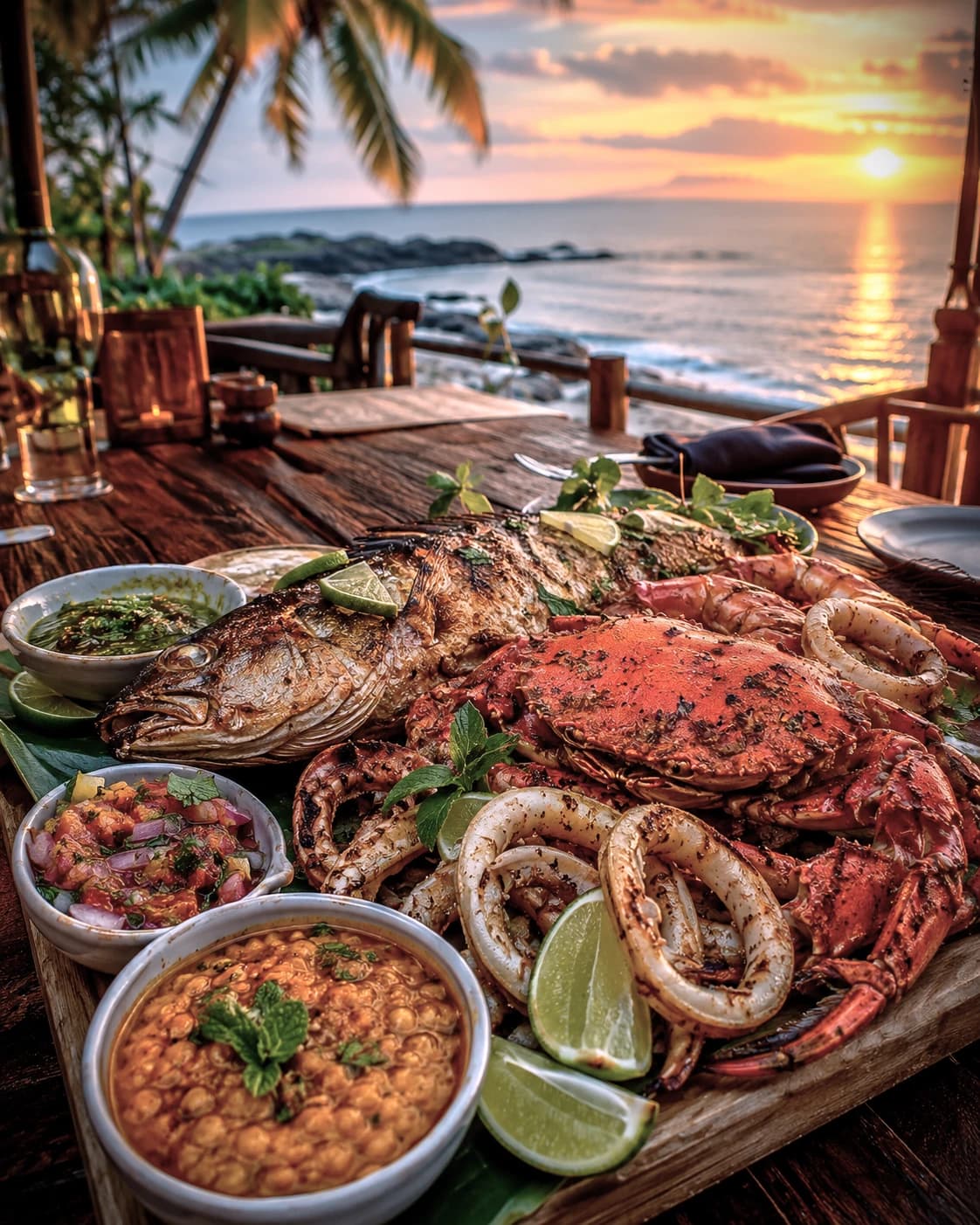
Fresh Seafood Is Widely Available
Coastal regions offer an excellent selection of freshly caught fish, prawns, crab, squid, and lobster. Seafood restaurants are especially popular in beach destinations along the southern, western, and eastern coasts.
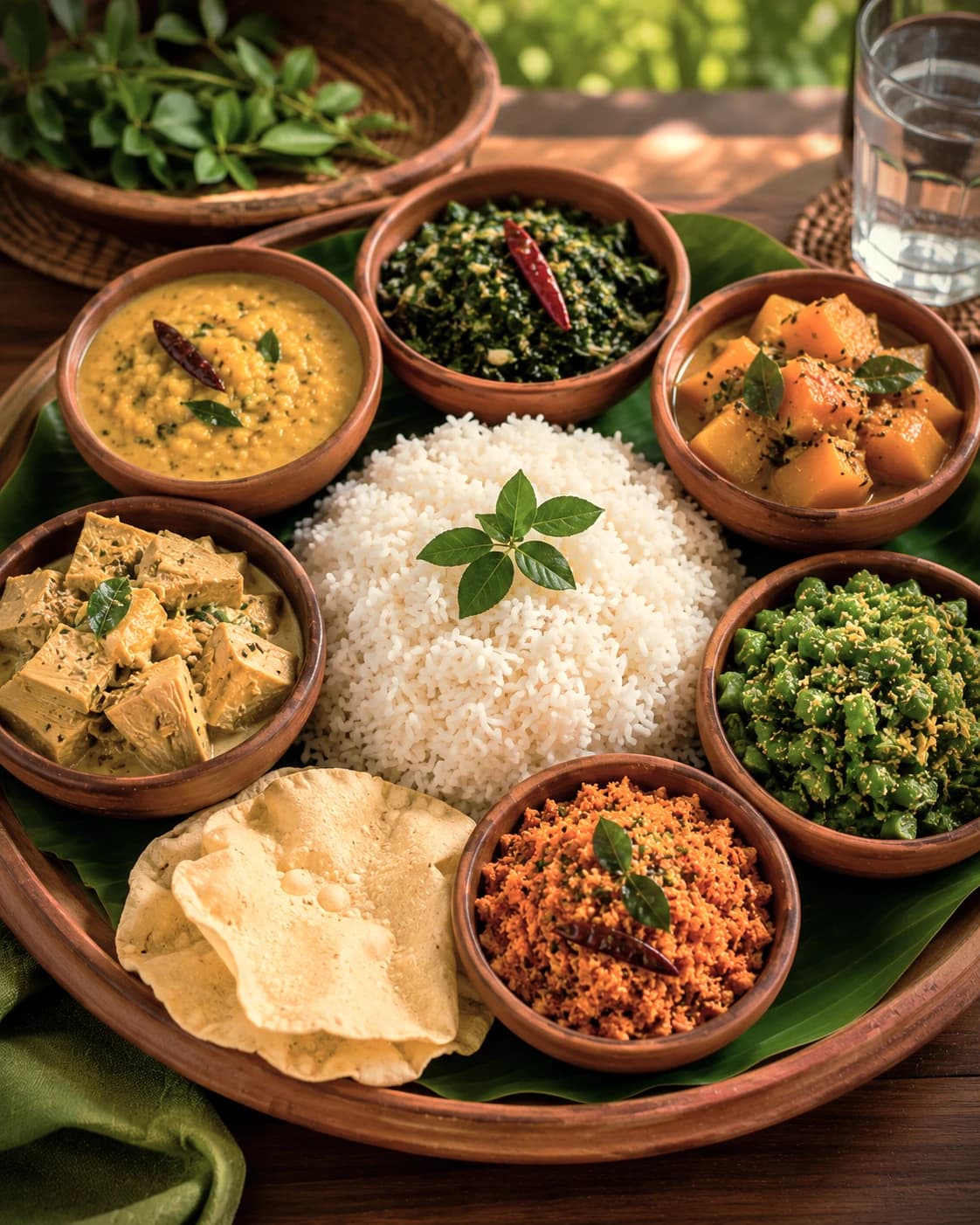
Vegetarian Options Are Common
Many Sri Lankan dishes are naturally vegetarian. Lentils, jackfruit, breadfruit, eggplant, pumpkin, and various leafy greens are commonly used in local cooking, making vegetarian dining easy throughout the country.
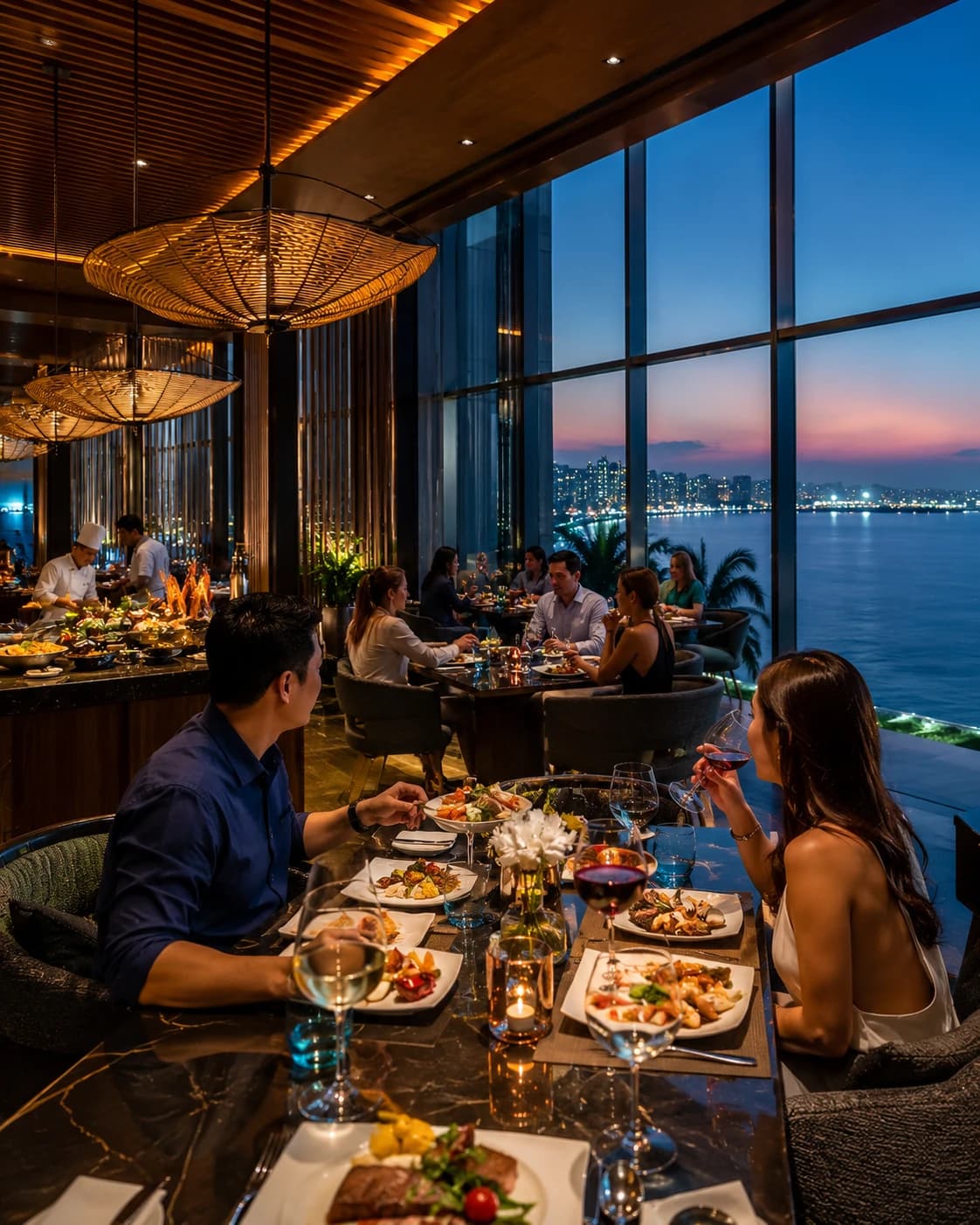
International Cuisine Is Readily Available
Major tourist destinations such as Colombo, Kandy, Galle, Negombo, and Ella offer a wide variety of international restaurants serving Western, Indian, Chinese, Japanese, Middle Eastern, and fusion cuisine.
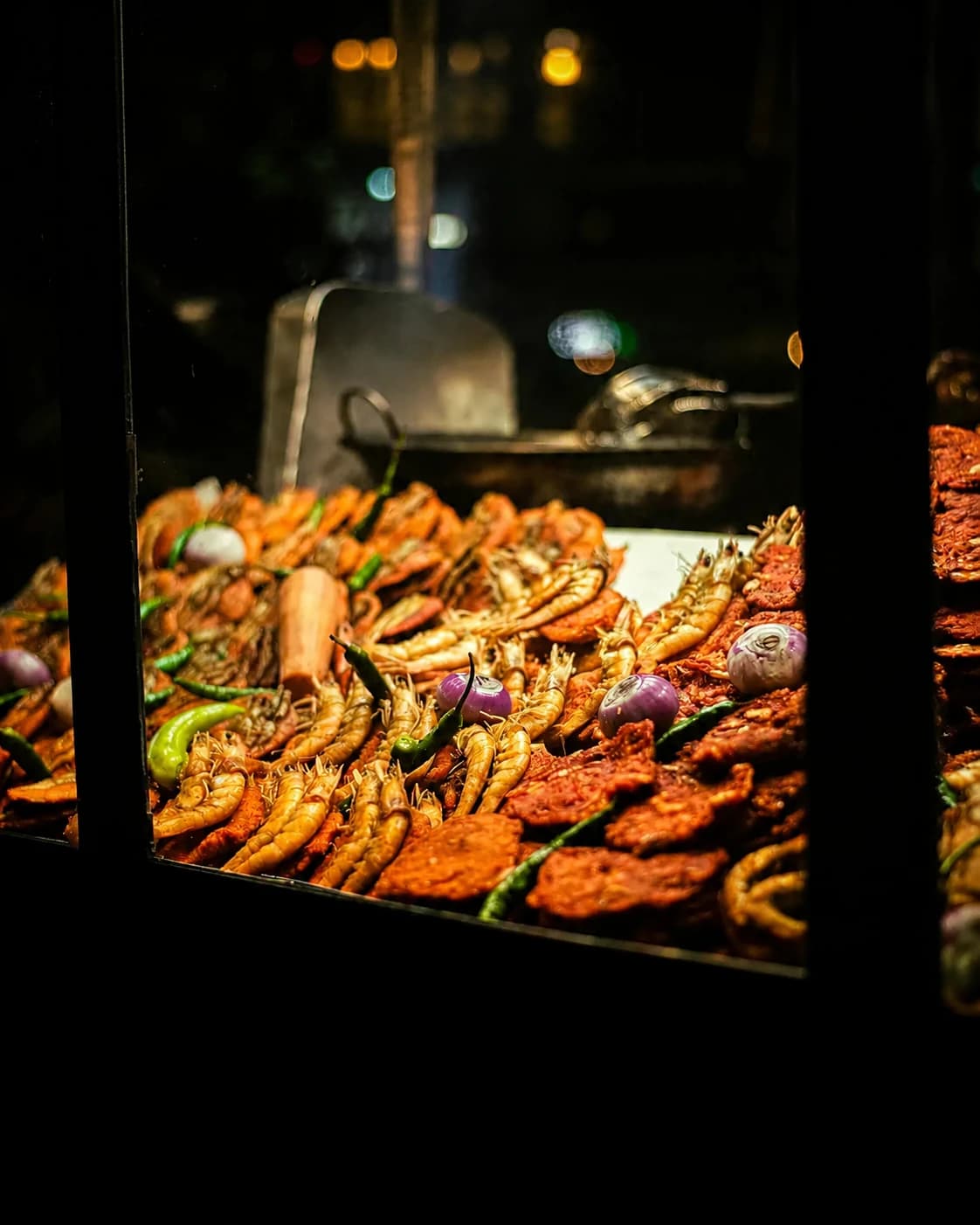
Street Food Is Worth Trying
Street food is widely available across Sri Lanka, offering authentic local flavors such as kottu roti, isso wade, roti varieties, short eats, and tropical fruits. Travelers are advised to choose busy vendors that prepare food fresh and maintain good hygiene standards.
Food Accessibility
One of the advantages of traveling in Sri Lanka is the widespread availability of food.
Restaurants and Cafés
- Luxury hotel restaurants
- Fine dining establishments
- Family restaurants
- Beachfront cafés
- Local eateries
- Street food vendors
- Food courts in major cities
Food outlets are available in nearly every town and tourist destination.
Dietary Requirements
- Vegetarian diets
- Vegan diets
- Gluten-free requests
- Dairy-free options
- Seafood-based diets
Travelers with severe food allergies should clearly communicate their dietary requirements, particularly in smaller local restaurants where ingredient labeling may be limited.
Drinking Water
Bottled drinking water is widely available throughout Sri Lanka and is inexpensive. Visitors are generally advised to drink bottled or properly filtered water rather than untreated tap water.
Popular Sri Lankan Dishes to Try
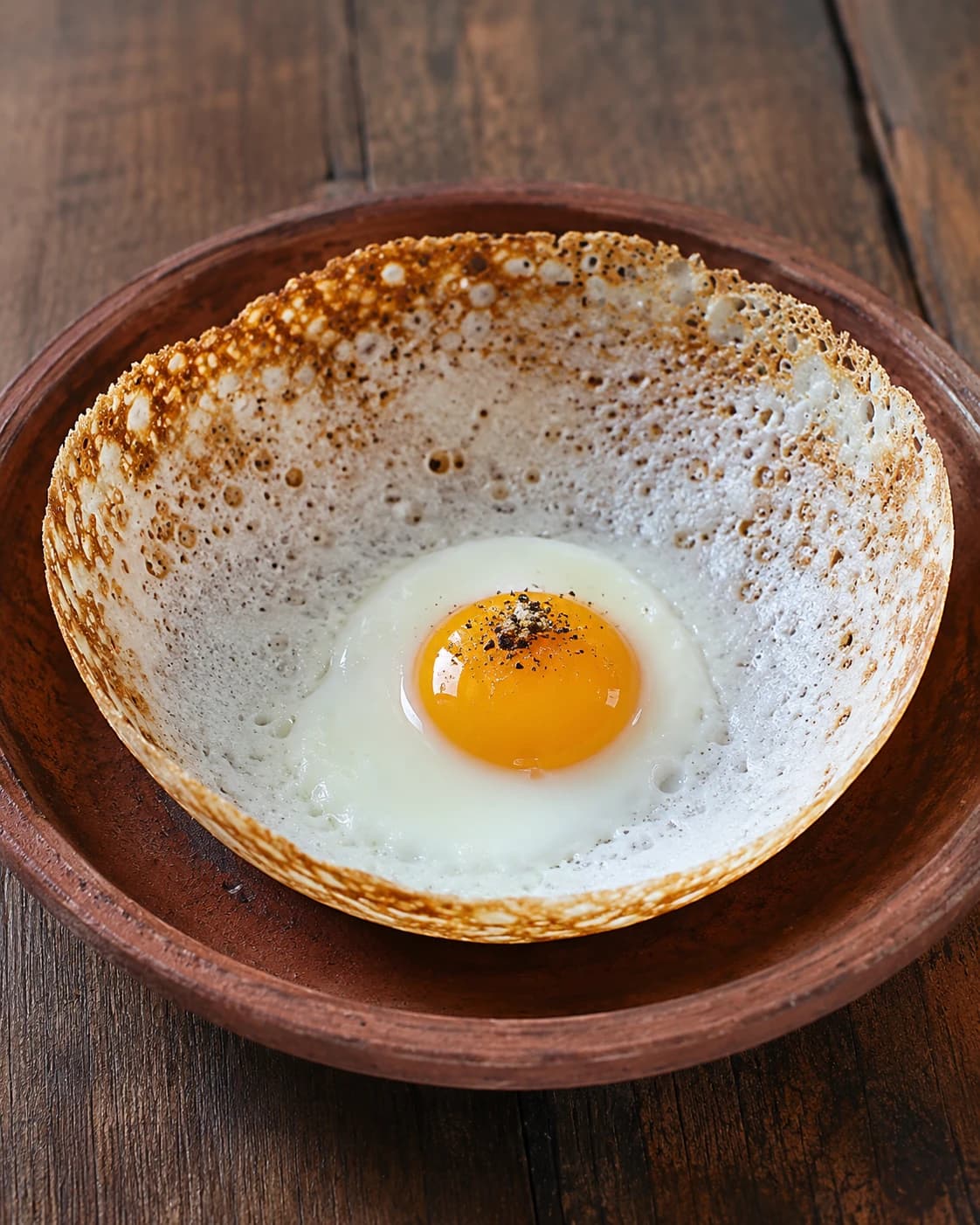
Hoppers
Bowl-shaped rice pancakes with a crisp edge and soft, spongy center, often served with an egg cracked into the middle.
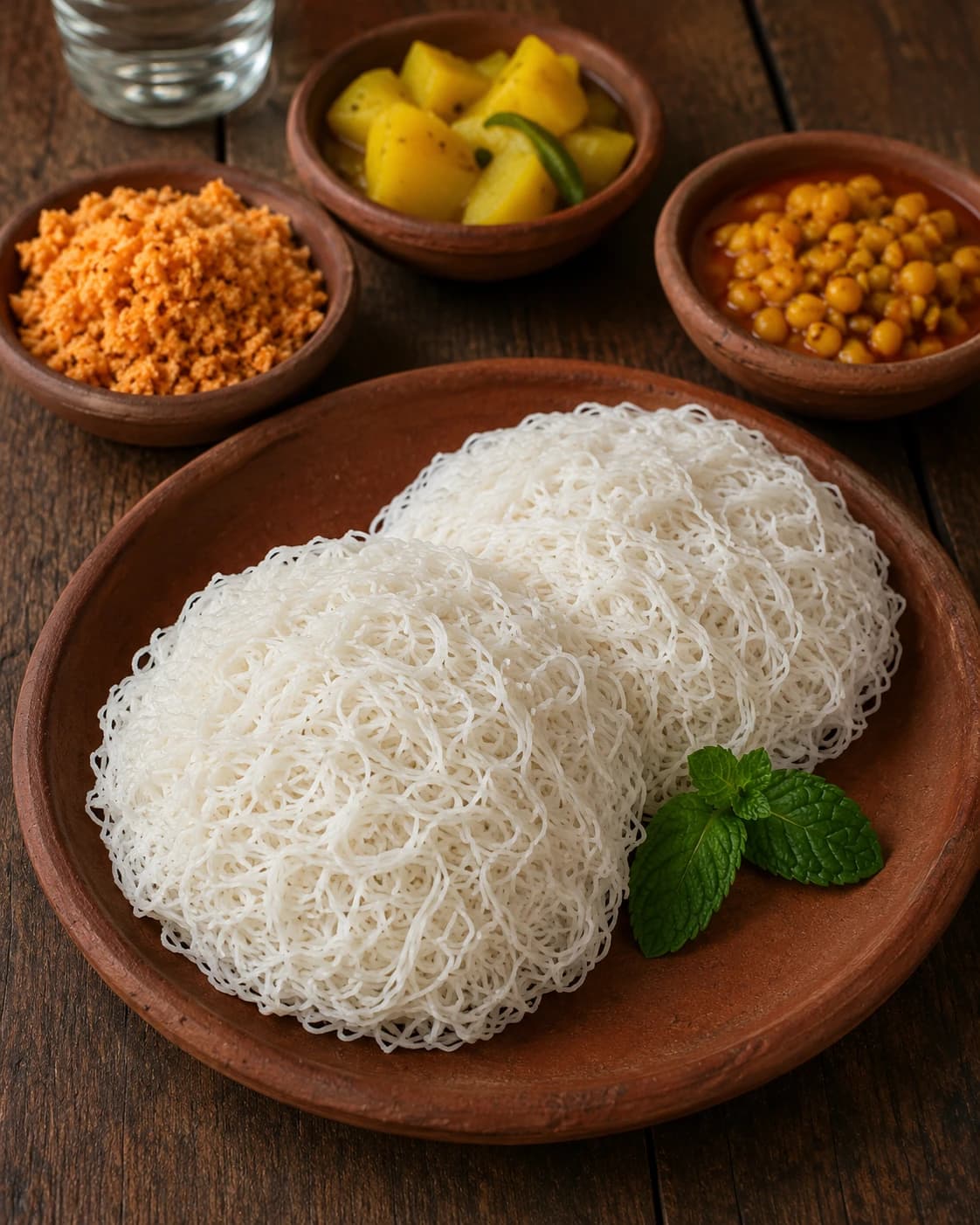
String Hoppers
Delicate steamed rice noodle nests, typically paired with curry and sambol for breakfast or dinner.
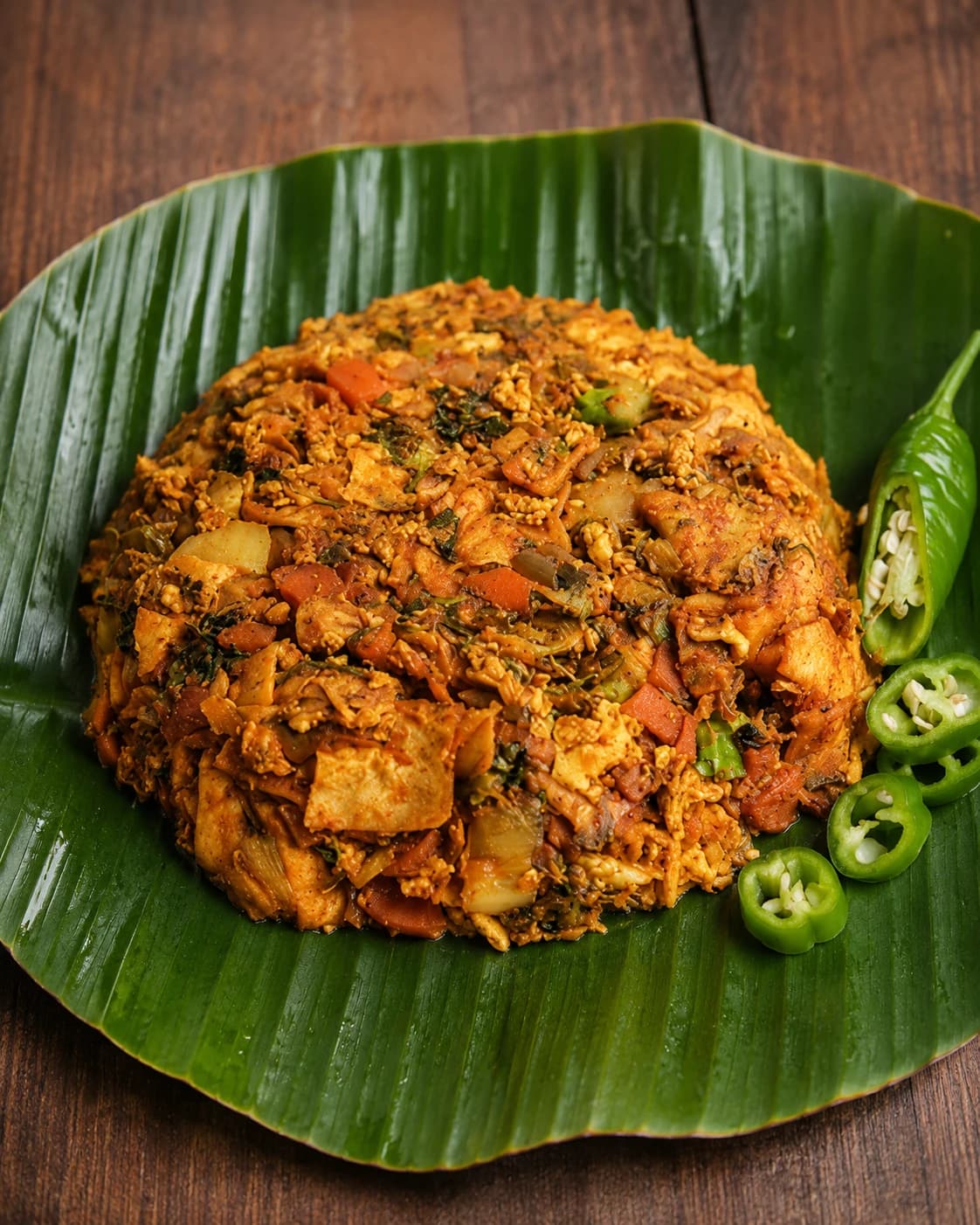
Kottu Roti
Chopped roti stir-fried with vegetables, egg, and your choice of meat or seafood, a popular street food favorite.
Rice and Curry
The island's staple meal, rice served with an array of curries, vegetables, and sambols.
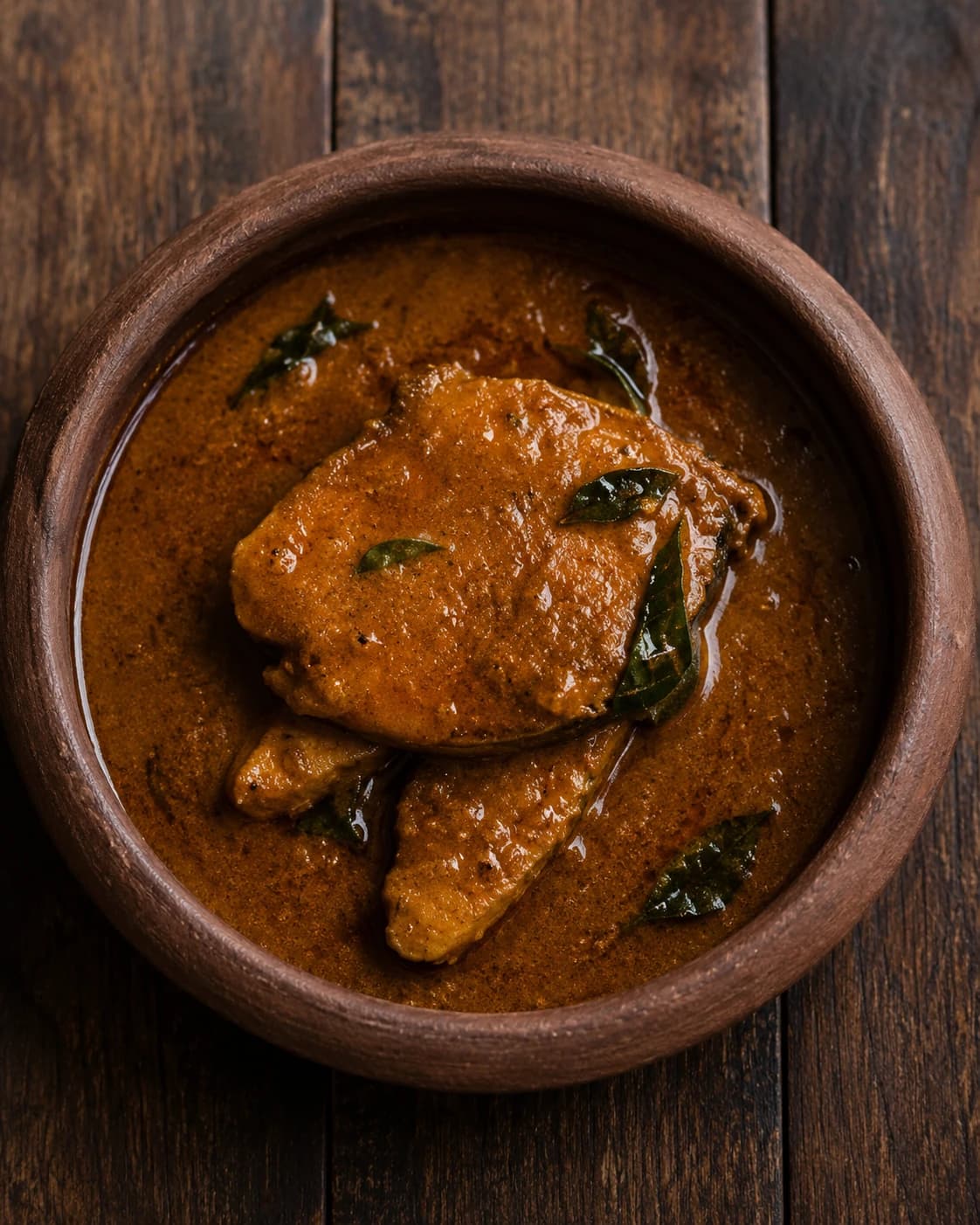
Fish Curry
Fresh fish simmered in a fragrant, spiced coconut-milk gravy.
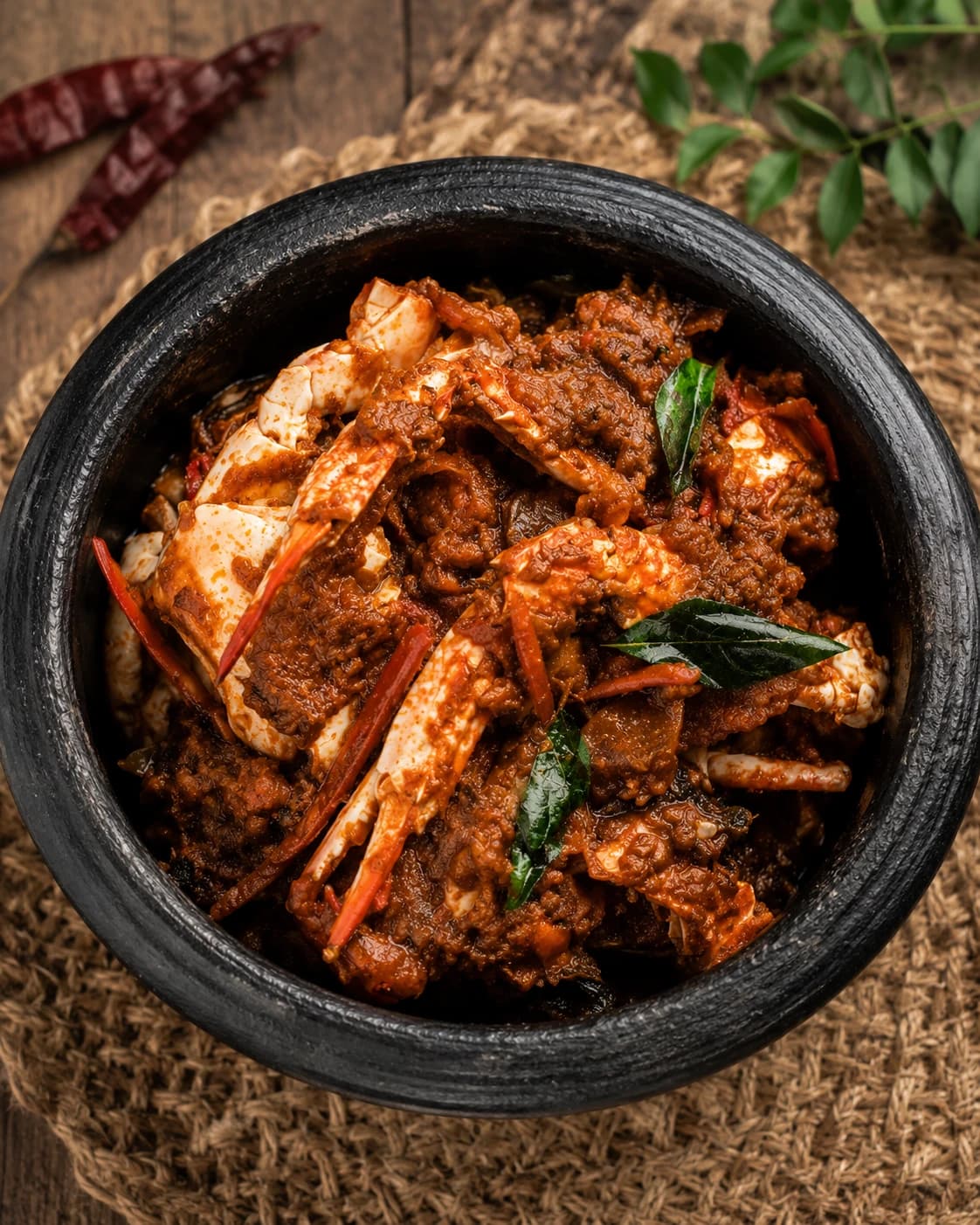
Crab Curry
Whole crab cooked in a rich, spicy curry sauce, a coastal specialty.
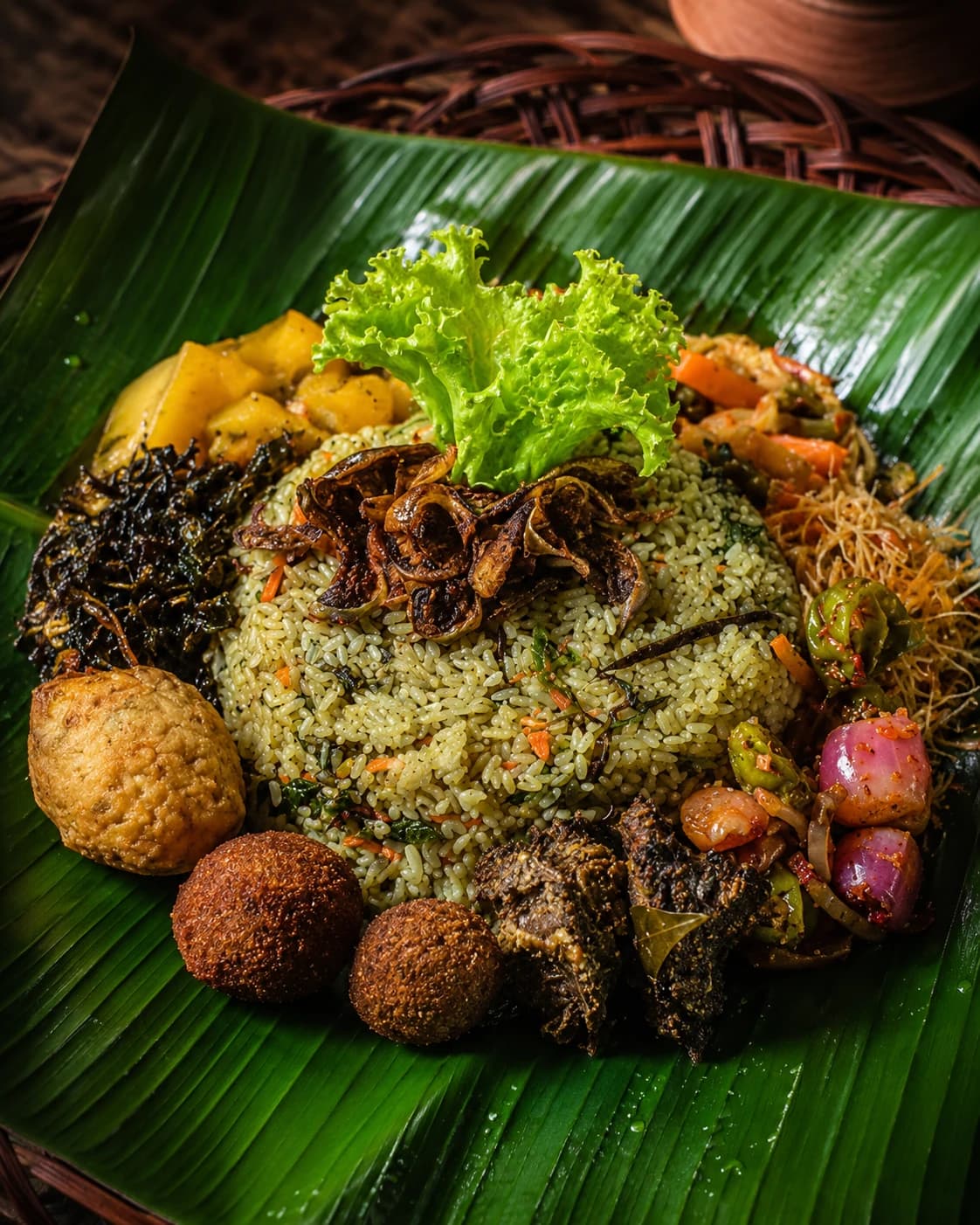
Lamprais
Rice, meat curry, and accompaniments baked together in a banana leaf parcel, a Dutch Burgher classic.
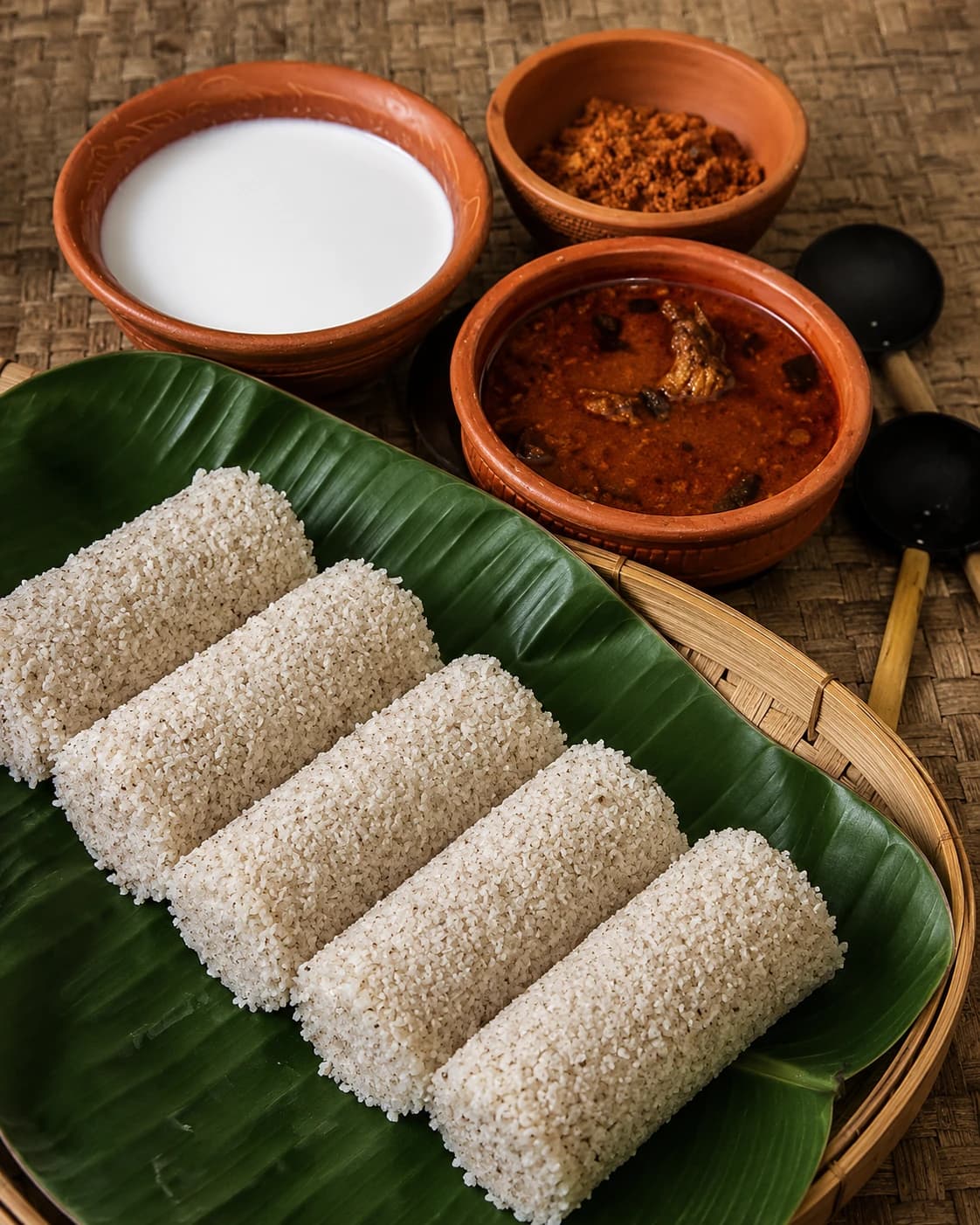
Pittu
Steamed cylinders of rice flour and grated coconut, usually eaten with curry or coconut milk.
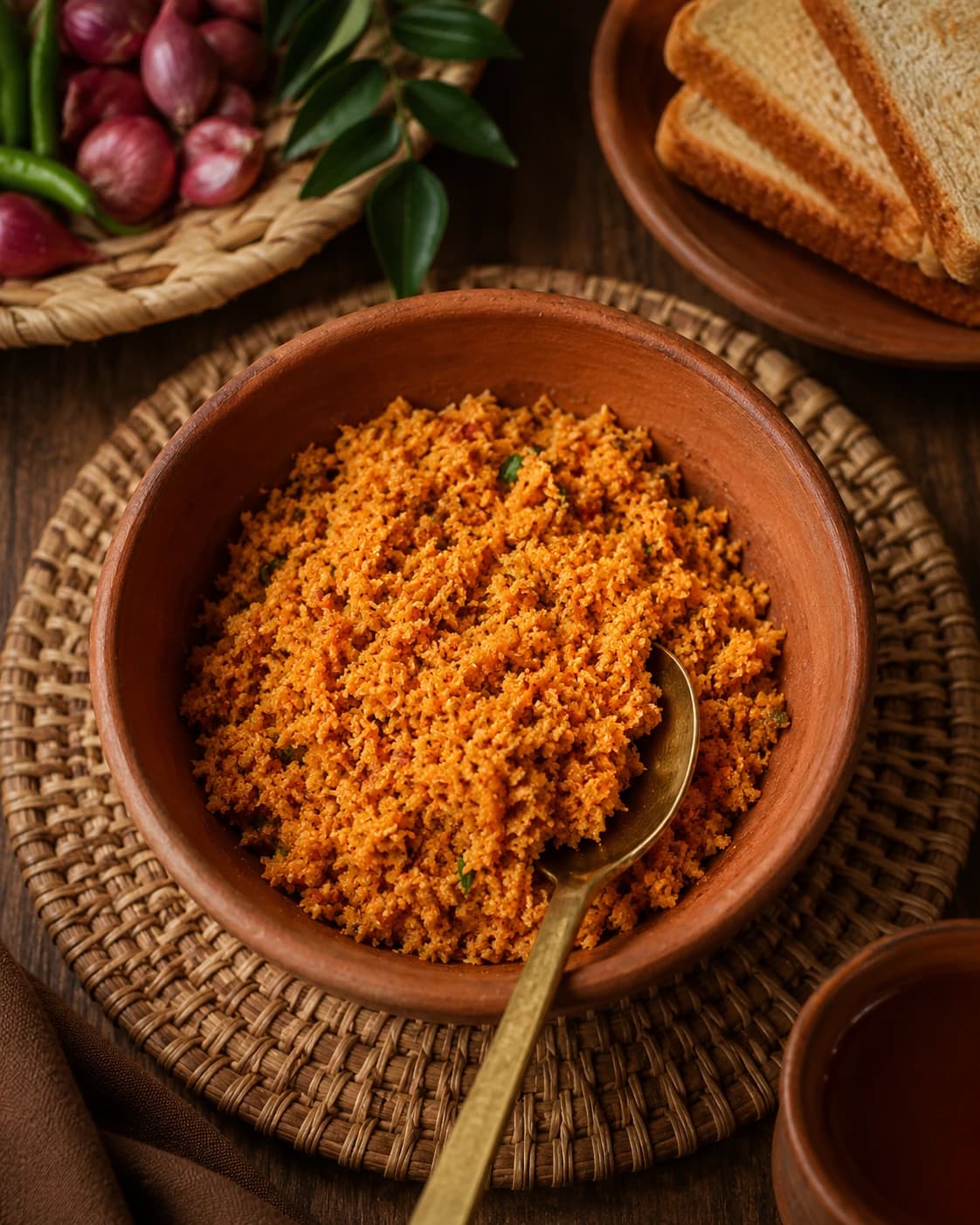
Pol Sambol
A fresh relish of grated coconut, chili, lime, and onion that accompanies almost every Sri Lankan meal.
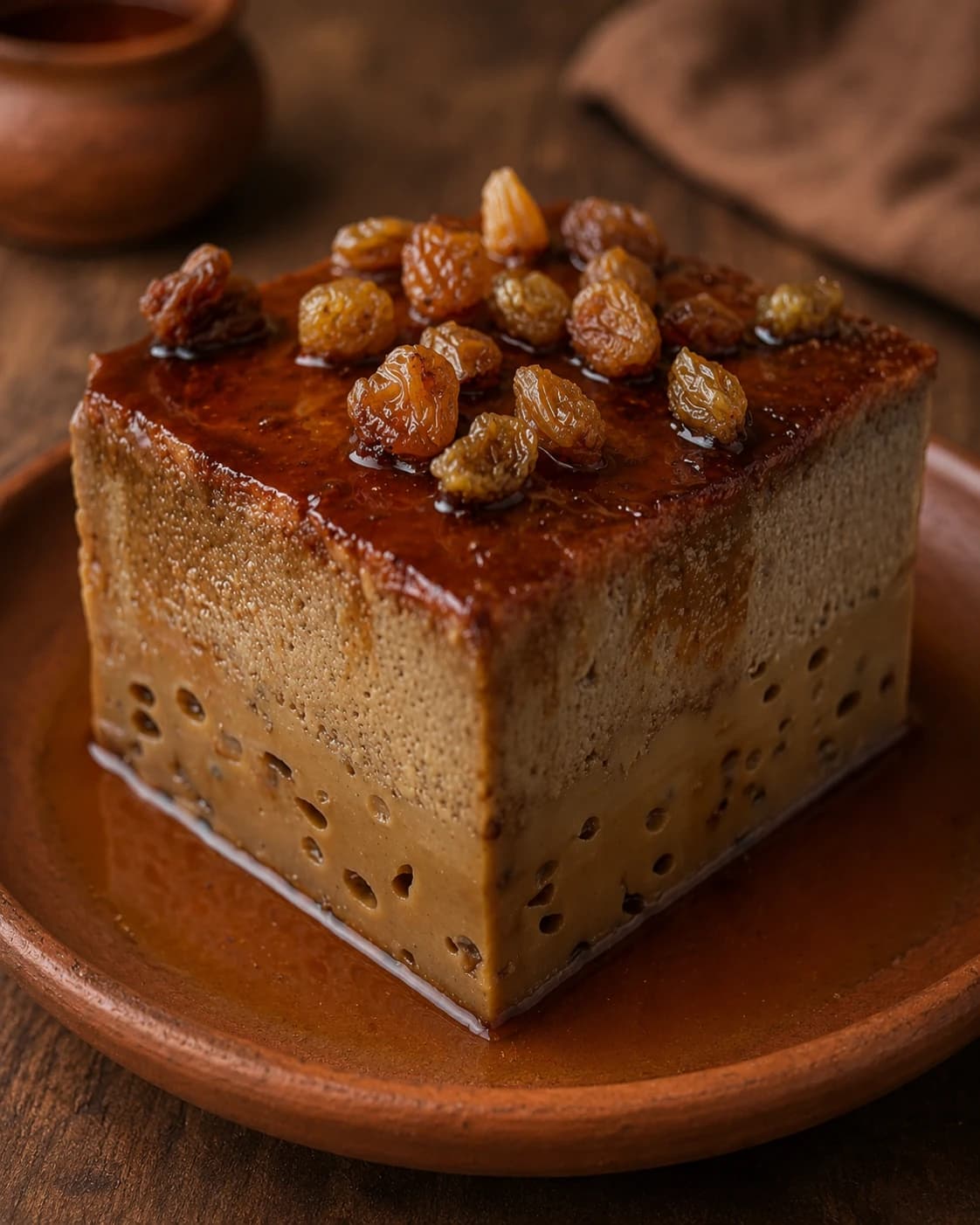
Watalappan
A traditional steamed coconut custard dessert, sweetened with jaggery and spiced with cardamom.
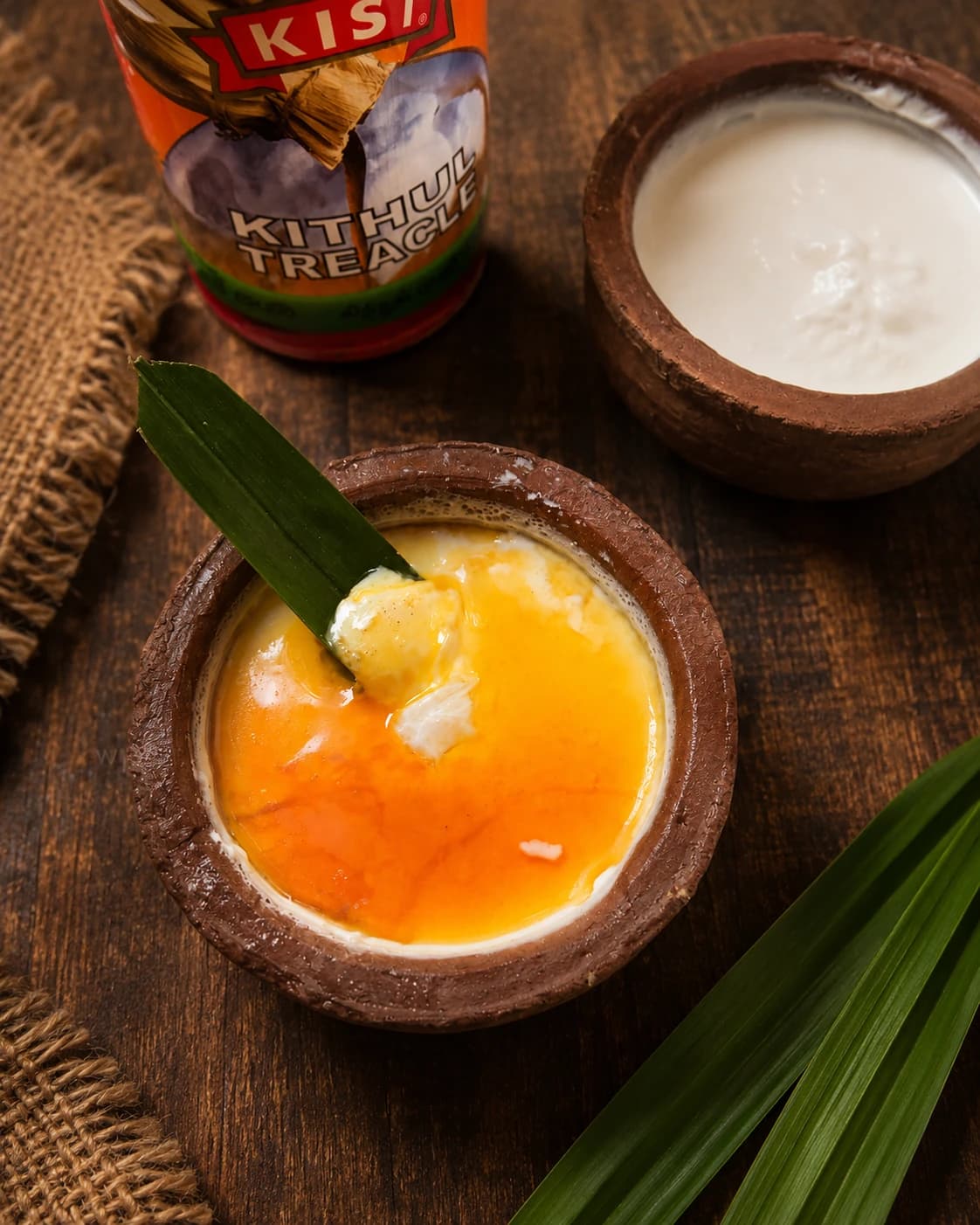
Curd and Treacle
Creamy buffalo curd drizzled with golden kithul treacle, a simple and beloved dessert.
These dishes offer an excellent introduction to Sri Lanka's culinary heritage.
Typical Food Costs
Food in Sri Lanka is generally affordable compared to many Western destinations.
| Dining Type | Typical Cost Per Person |
|---|---|
| Street Food | USD 1–3 |
| Local Restaurant Meal | USD 2–8 |
| Mid-Range Restaurant | USD 8–20 |
| Seafood Restaurant | USD 10–30 |
| Fine Dining Restaurant | USD 20–60+ |
| Coffee | USD 1–4 |
| Bottled Water | Less than USD 1 |
Prices vary depending on location, season, and restaurant category. Tourist areas and luxury hotels generally charge higher prices than local establishments.
Quick Tips
- Try local cuisine at least once during your trip.
- Carry some cash when visiting smaller eateries.
- Ask for less spice if preferred.
- Bottled water is widely available.
- Vegetarian options are plentiful.
- Seafood lovers will find excellent choices along the coast.
- International cuisine is available in most major tourist destinations.
- Food is generally affordable and accessible throughout the island.
HEALTH
Sri Lanka offers a well-developed healthcare system with public hospitals, private hospitals, medical centers, pharmacies, and emergency services available throughout the country. Major cities and popular tourist destinations provide easy access to quality medical care, while even smaller towns typically have basic healthcare facilities and pharmacies.
What Travelers Should Know About Health
Travel Insurance Is Recommended
Although healthcare in Sri Lanka is generally affordable, comprehensive travel insurance is strongly recommended. Insurance can help cover medical treatment, emergency transportation, hospitalization, and unexpected travel disruptions.
Stay Hydrated in the Tropical Climate
Sri Lanka's warm and humid climate can lead to dehydration, especially during outdoor activities and sightseeing. Travelers should drink plenty of bottled or filtered water and take precautions when spending extended periods in the sun.
Protect Yourself From Mosquitoes
Mosquitoes are present throughout Sri Lanka, particularly during and after rainy periods. Using insect repellent, wearing light-colored clothing, and choosing accommodations with screens or air conditioning can help reduce mosquito bites.
Food and Water Safety
Most hotels, restaurants, and tourist-oriented establishments maintain good hygiene standards. Visitors are advised to drink bottled or filtered water and choose freshly prepared food, particularly when purchasing from street vendors.
Carry Essential Medications
Travelers who regularly take prescription medications should bring an adequate supply for their trip. It is also advisable to carry a copy of prescriptions and a small personal first-aid kit for minor illnesses and injuries.
Healthcare Accessibility
Hospitals and Medical Centers
Quality healthcare is readily available in major destinations such as Colombo, Kandy, Galle, Negombo, and Ella. Both public and private hospitals offer emergency services, specialist consultations, diagnostic testing, and inpatient care.
Private Healthcare
Many travelers prefer private hospitals due to shorter waiting times, modern facilities, and English-speaking medical staff. Private healthcare facilities are particularly common in larger cities and tourist regions.
Pharmacies
Pharmacies are widely available across Sri Lanka and stock a broad range of common medications, first-aid supplies, and healthcare products. Most towns and cities have at least one pharmacy within easy reach.
Emergency Services
Emergency medical services operate throughout the country, with the fastest access generally available in urban and tourist areas. Hotels and tour operators can also assist travelers in arranging medical care when needed.
Typical Healthcare Costs
Healthcare costs in Sri Lanka are generally lower than in many Western countries.
| Service | Typical Cost |
|---|---|
| Pharmacy Consultation | USD 2–10 |
| General Doctor Consultation | USD 10–30 |
| Private Hospital Consultation | USD 20–60 |
| Minor Medical Treatment | USD 20–100 |
| Emergency Room Visit | USD 30–150+ |
| Prescription Medication | Often lower than Western countries |
Costs vary depending on the provider, treatment required, and location.
Quick Health Tips
- Purchase comprehensive travel insurance before arrival.
- Drink bottled or filtered water.
- Use sunscreen and stay hydrated.
- Carry insect repellent.
- Bring sufficient prescription medication.
- Keep emergency contact and insurance details accessible.
- Seek treatment promptly if feeling unwell during your trip.
SAFETY
Sri Lanka is generally considered a safe destination for tourists. Like traveling anywhere in the world, taking a few common-sense precautions will help ensure a safe and enjoyable journey.
What Travelers Should Know
Keep Your Valuables Secure
Carry only the cash you need for the day and keep passports, extra money, and important documents in your hotel safe whenever possible. Be mindful of your belongings in crowded areas and on public transport.
Use Licensed Transportation
Choose registered taxis, reputable ride-hailing apps, or licensed tuk-tuks whenever possible. If using a tuk-tuk without a meter, agree on the fare before starting your journey.
Stay Aware of Your Surroundings
Tourist areas are generally safe, but remain aware of your surroundings, especially in busy markets, transport hubs, and crowded attractions. Avoid displaying expensive jewelry, large amounts of cash, or valuable electronics unnecessarily.
Swim Only in Safe Areas
Sri Lanka's beaches are beautiful, but ocean conditions can change quickly. Always pay attention to warning flags, local advice, and lifeguard instructions. Strong currents can occur even on calm-looking beaches.
Respect Wildlife
Do not feed or approach wild animals, including monkeys, elephants, and stray dogs. Keep a safe distance and follow instructions provided by national parks and wildlife guides.
Protect Yourself from the Sun
The tropical sun can be intense throughout the year. Wear sunscreen, a hat, sunglasses, and drink plenty of water, especially during outdoor activities.
Respect Local Customs
Dress modestly when visiting temples and religious sites. Remove shoes and hats before entering Buddhist and Hindu temples, and always ask permission before photographing people or religious ceremonies.
Emergency Assistance
In case of an emergency, contact local authorities or seek assistance from your hotel, tour guide, or nearest police station or hospital. Most tourist destinations have access to medical facilities, pharmacies, and English-speaking staff.
Quick Safety Tips
- Keep valuables and travel documents secure.
- Use licensed taxis or trusted ride-hailing services.
- Agree on tuk-tuk fares before traveling if no meter is used.
- Swim only at beaches where conditions are safe.
- Stay hydrated and use sunscreen.
- Respect local customs and wildlife.
- Keep emergency contact numbers and travel insurance details readily available.
CULTURE
Sri Lanka is a culturally rich and welcoming country where hospitality is an important part of everyday life. Respecting local customs and traditions will help you enjoy a more meaningful travel experience while creating positive interactions with local communities.
What Travelers Should Know About Sri Lankan Culture
Dress Respectfully at Religious Sites
When visiting Buddhist temples, Hindu kovils, mosques, or churches, wear clothing that covers your shoulders and knees. Shoes and hats should be removed before entering religious sites.
Respect Buddhist Traditions
Buddhism is the country's largest religion, and Buddhist temples are places of worship. Avoid turning your back toward Buddha statues when taking photos, never climb on religious monuments, and always behave respectfully inside sacred places.
Greeting the Locals
Sri Lankans are known for their friendliness and hospitality. A smile and a polite greeting are always appreciated. While handshakes are common, some people may greet with palms pressed together in the traditional "Ayubowan," meaning "May you live long."
Ask Before Taking Photos
Always ask permission before photographing local people, particularly monks, religious ceremonies, or individuals in rural communities. Photography may also be restricted inside certain temples and museums.
Respect Local Customs
Public displays of affection are generally uncommon, especially in rural areas and around religious sites. Dressing modestly and behaving respectfully will help you blend comfortably with local culture.
Remove Shoes Where Required
Shoes must be removed before entering temples and some traditional homes. Wearing socks can make walking on hot temple grounds more comfortable during the day.
Cultural Accessibility
Sri Lanka welcomes visitors from around the world, and English is widely spoken in hotels, restaurants, tourist attractions, and by many tour guides. Locals are generally happy to assist travelers, making it easy to experience the country's rich cultural heritage.
Cultural Experiences Not to Miss
Visitors can experience Sri Lanka's vibrant culture through:
- Traditional Kandyan dance performances
- Buddhist temple ceremonies
- Local festivals and cultural celebrations
- Ayurveda wellness traditions
- Tea plantation visits
- Traditional village experiences
- Handicraft and artisan workshops
- Local markets and street life
Quick Cultural Tips
- Dress modestly when visiting religious sites.
- Remove shoes and hats before entering temples.
- Ask permission before photographing people.
- Respect Buddha statues and religious monuments.
- Greet locals with a smile or "Ayubowan."
- Avoid loud or disrespectful behavior at sacred places.
- Learn a few simple Sinhala or Tamil greetings—they're always appreciated.
Festivals Can Affect Travel Plans
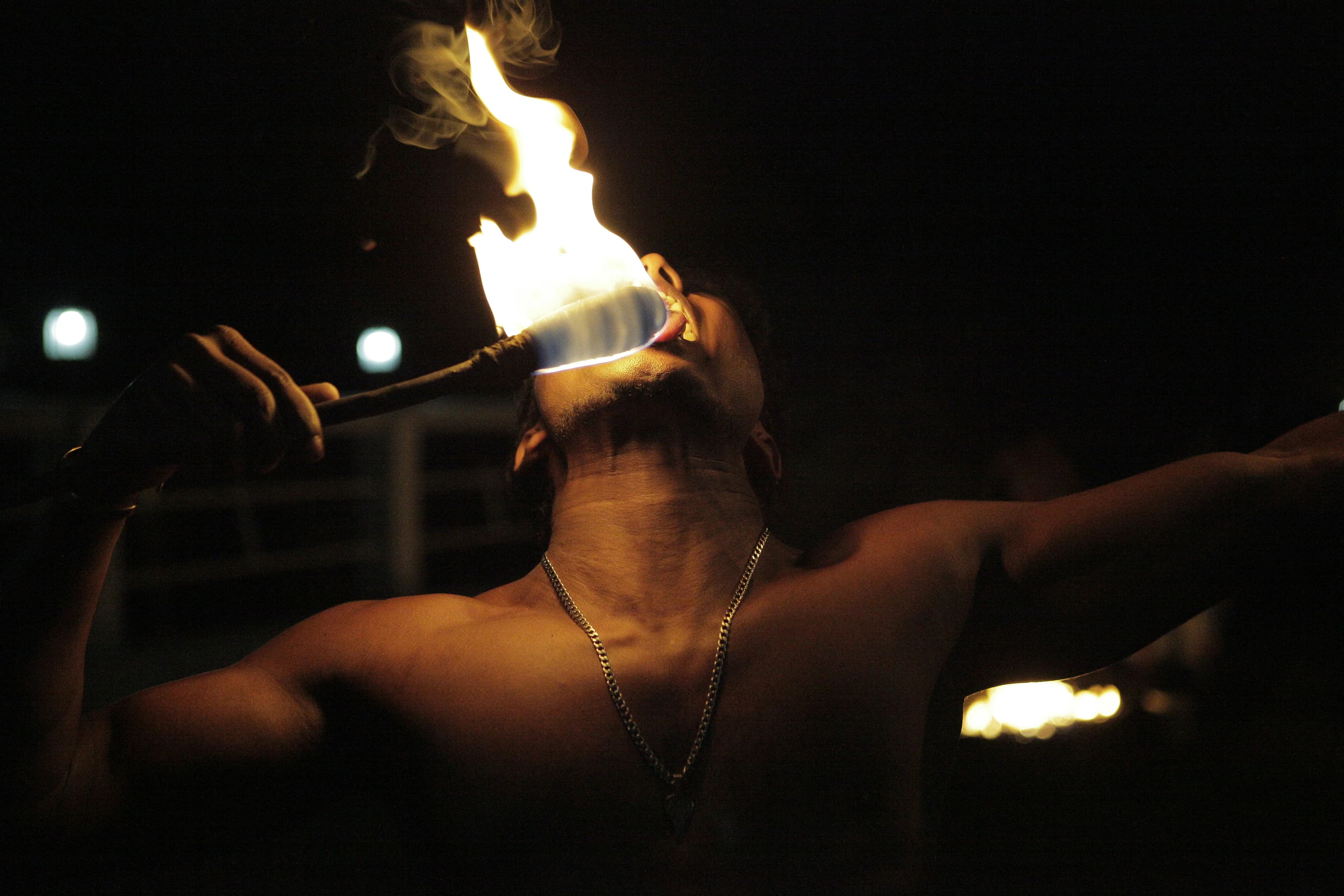
Sri Lanka celebrates numerous religious and cultural festivals throughout the year, including Buddhist, Hindu, Muslim, and Christian holidays. During major festivals, popular attractions, roads, and public transport may be busier than usual, while some businesses may operate on reduced hours. On the other hand, these celebrations offer visitors a unique opportunity to experience the island's vibrant traditions, colorful processions, music, and cultural heritage.
CONTACT PELICAN TOURS
